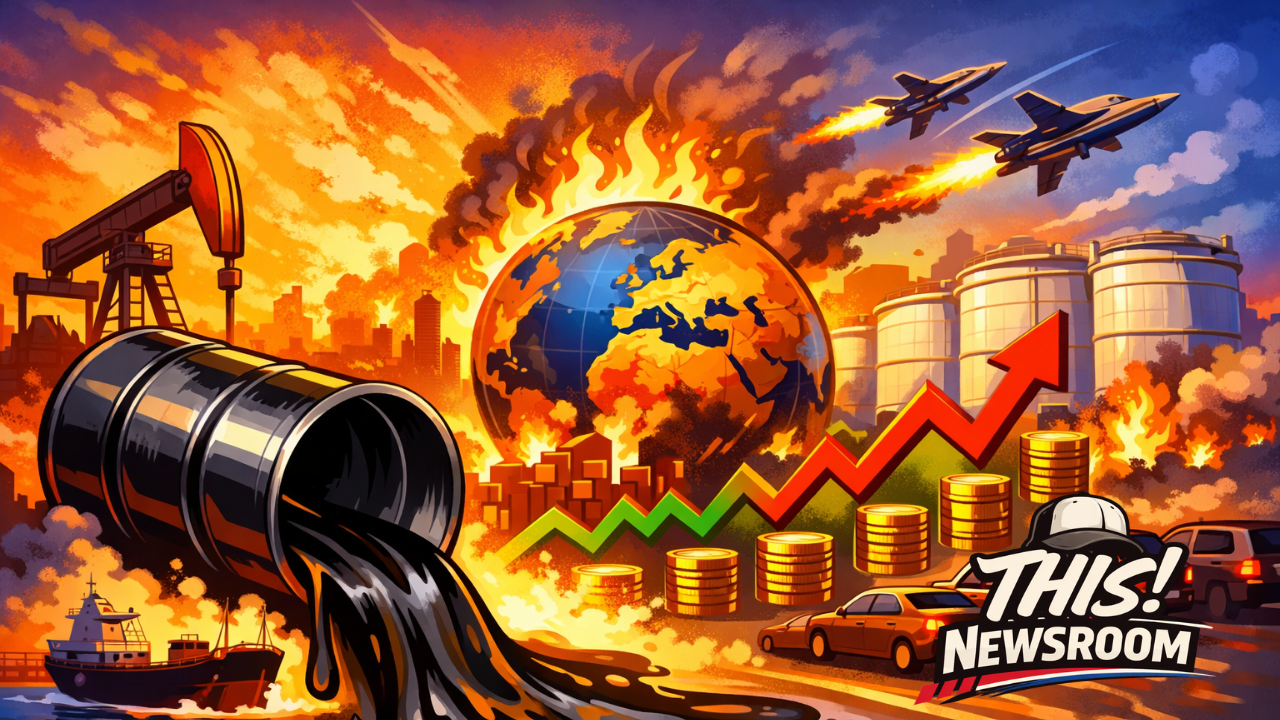
As tensions intensify across the Middle East, global leaders are now considering an emergency release of strategic oil reserves in an effort to stabilize energy markets and protect consumers from rapidly rising fuel costs.
Energy officials in the United States and several allied nations have begun discussing the possibility of tapping into strategic petroleum reserves (SPR) as oil prices surge amid fears of prolonged regional conflict.
Why Oil Markets Are Reacting
The Middle East remains one of the most critical energy-producing regions in the world. Several key shipping routes and oil-producing nations are now facing heightened instability as military operations expand.
Energy analysts warn that even the threat of supply disruptions can cause immediate volatility in oil markets.
In recent days:
- Global crude oil prices have climbed sharply.
- Energy traders have begun pricing in potential supply shortages.
- Shipping insurance costs through key routes have increased.
The situation has sparked concern among policymakers who fear a ripple effect that could drive higher gasoline prices, inflation pressures, and economic uncertainty.
Strategic Petroleum Reserves: The Emergency Tool
The Strategic Petroleum Reserve (SPR) serves as the United States’ emergency oil stockpile. Stored in underground salt caverns along the Gulf Coast, the reserve holds hundreds of millions of barrels of crude oil.
Governments typically release oil from the SPR during major supply shocks such as:
- Natural disasters
- Global conflicts
- Severe economic disruptions
- Major refinery outages
The goal is simple: increase supply quickly to calm markets and prevent price spikes.
Officials say the reserve remains a powerful tool to counter sudden supply disruptions caused by geopolitical events.
Global Coordination Under Discussion
Sources close to energy policy discussions indicate that the United States could coordinate a release alongside other major energy-consuming nations.
Countries in the International Energy Agency (IEA) often work together during energy emergencies to inject additional supply into global markets.
Past coordinated releases have occurred during:
- The Gulf War
- The Libya conflict in 2011
- Global energy disruptions following Russia’s invasion of Ukraine
Such actions send a strong signal to markets that governments are prepared to prevent severe supply shortages.
Impact on Gas Prices
American drivers may already be noticing the effects at the pump. Fuel prices have begun creeping higher as crude oil costs increase.
Energy economists say gasoline prices typically react quickly to geopolitical events because oil markets are highly sensitive to perceived supply risks.
If the conflict expands further, analysts warn prices could climb significantly without intervention.
An emergency release from strategic reserves could temporarily slow or reverse those price increases, providing relief for consumers and businesses alike.
A Delicate Balancing Act
However, releasing oil from reserves is not a decision governments take lightly.
Strategic reserves exist primarily for true supply emergencies, and policymakers must balance short-term price stabilization with long-term energy security.
Some experts argue that frequent releases could weaken the reserve’s ability to respond to larger crises in the future.
Others believe the reserves are precisely meant for moments like this.
What Comes Next
For now, energy markets remain on edge.
Investors, policymakers, and consumers alike are watching closely as the Middle East conflict continues to evolve.
If tensions escalate further or critical supply routes become disrupted, an emergency oil release could become one of the most immediate tools governments use to stabilize global energy markets.
One thing is certain: energy security has once again moved to the center of the global conversation.
About the Author