Americans Spending $300 Million More on Gas in Just One Month

4
By This With Krish | Energy + Economy
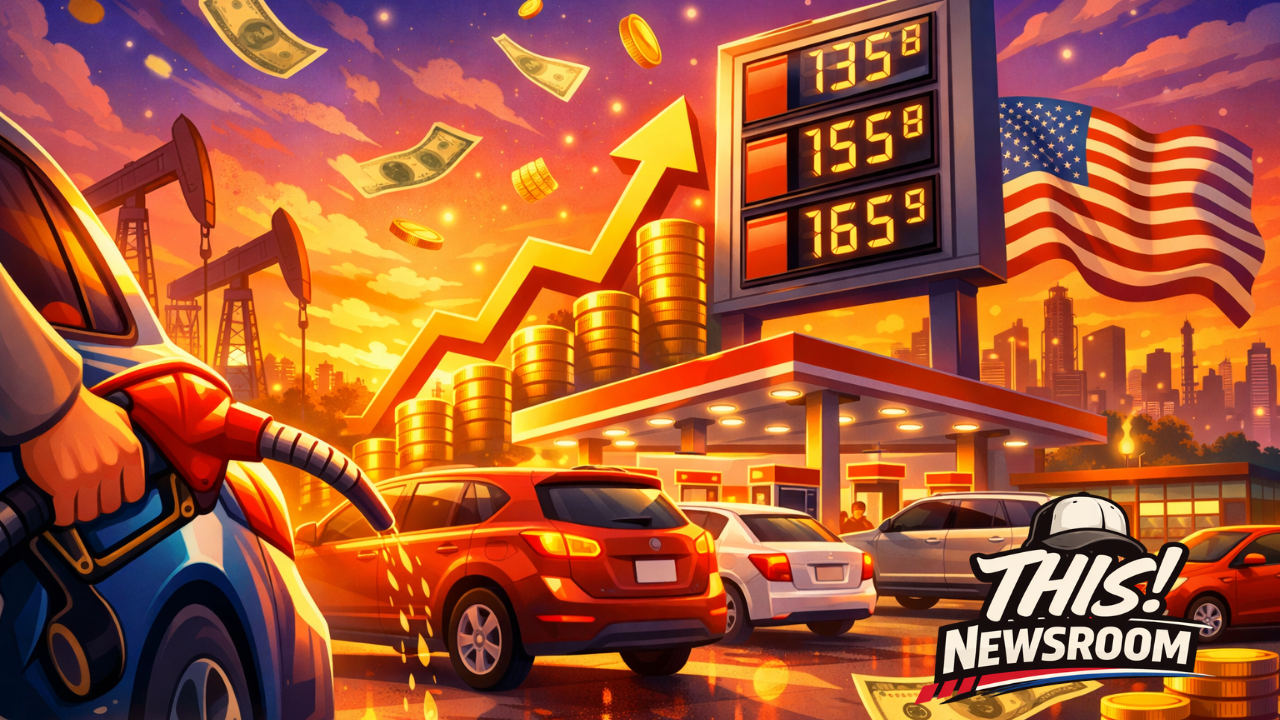
Americans are once again feeling the squeeze at the pump. In just the past month, total gasoline spending across the United States has surged by an estimated $300 million, signaling a sharp shift in fuel costs that’s rippling through household budgets and the broader economy.
What’s Driving the Spike in Gas Spending?
Several key factors are fueling this sudden increase—and it’s not just one issue.
1. Rising Crude Oil Prices
First and foremost, global crude oil prices have climbed steadily over recent weeks. As oil markets tighten due to geopolitical tensions and production cuts, gasoline prices follow closely behind. Even a small bump per barrel can translate into noticeable increases at the pump.
2. Seasonal Demand Is Heating Up
As spring approaches, Americans are hitting the road more often. Travel demand naturally increases this time of year, especially ahead of spring break and summer planning. More driving equals more fuel consumption—and higher overall spending.
3. Refinery Maintenance Season
Additionally, many U.S. refineries undergo maintenance in late winter and early spring. This temporarily reduces supply, which can push gasoline prices higher right when demand begins to rise.
4. Regional Supply Constraints
In certain parts of the country, localized supply issues—such as pipeline disruptions or weather-related delays—have intensified price increases, contributing to the national surge.
What It Means for Everyday Americans
The extra $300 million spent on gasoline isn’t just a headline—it’s a real hit to consumers.
- Higher commuting costs: Daily drivers are paying more just to get to work.
- Increased travel expenses: Families planning spring break trips are seeing budgets stretched.
- Ripple effect on prices: As fuel costs rise, transportation and shipping expenses also increase—potentially driving up the price of goods.
In short, higher gas spending acts like a hidden tax on consumers.
Are Gas Prices Expected to Keep Rising?
The outlook remains uncertain—but there are a few trends to watch:
- If crude oil prices continue climbing, gas prices will likely follow.
- As we move closer to summer, demand could push prices even higher.
- However, if refinery output stabilizes and supply improves, prices may level off.
How to Save at the Pump Right Now
While you can’t control the market, you can control how you respond:
- Use gas apps to find the cheapest prices nearby
- Combine errands to reduce unnecessary trips
- Keep tires properly inflated to improve fuel efficiency
- Consider off-peak fill-ups, as prices can fluctuate throughout the week
The Bigger Picture
This $300 million jump highlights how sensitive the U.S. economy remains to energy costs. Gasoline prices don’t just affect drivers—they influence inflation, consumer confidence, and spending habits nationwide.
And as Americans prepare for a busy travel season, one thing is clear:
what happens at the pump doesn’t stay at the pump—it impacts everything.
About the Author