Krish Dhokia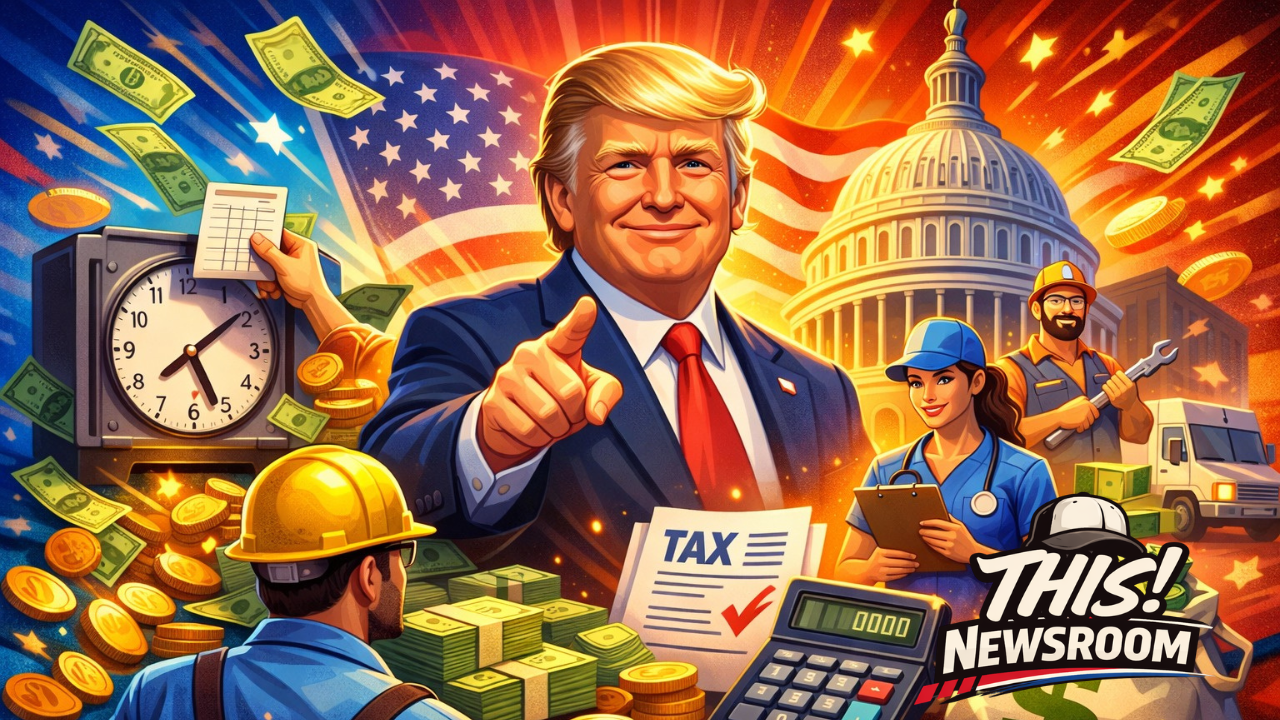
Donald Trump proposes eliminating taxes on overtime pay. Here’s what it means for workers, businesses, and the U.S. economy in 2026.
In a renewed push to reshape tax policy around working Americans, Donald Trump has proposed a plan that would eliminate federal taxes on overtime pay. The idea is simple on the surface but carries significant implications for workers, businesses, and the broader economy.
The Core Idea: Tax-Free Overtime
At the heart of the proposal is a policy that would allow workers to keep 100% of their overtime earnings—free from federal income tax.
Currently, overtime pay (typically 1.5x hourly wages for hours worked beyond 40 per week under the Fair Labor Standards Act) is taxed just like regular income.
Trump’s proposal aims to change that.
What That Means in Practice:
- A worker earning $25/hour who works 10 hours of overtime could see a meaningful increase in take-home pay
- Instead of losing a portion to taxes, the full overtime premium stays in their pocket
- The more overtime worked, the greater the tax savings
Why This Is Being Proposed
The policy is being framed as a pro-worker, pro-growth initiative with several goals:
1. Boost Take-Home Pay Without Raising Base Wages
Rather than mandating higher wages, this approach increases net income through tax relief.
2. Incentivize Productivity
Workers may be more willing to take on extra hours if the financial reward is greater.
3. Address Inflation Pressures
With higher disposable income, households could better manage rising costs without direct government spending programs.
The Economic Argument
Supporters argue that eliminating taxes on overtime could stimulate economic activity.
Potential Upsides:
- Higher Consumer Spending: Workers with more disposable income tend to spend more
- Increased Labor Participation: More incentive to work additional hours
- Business Flexibility: Employers may rely more on overtime rather than hiring new staff
However, critics raise important concerns.
Potential Downsides:
- Lost Federal Revenue: The government would forgo billions in tax income
- Work-Life Balance Concerns: Incentivizing overtime could lead to burnout
- Uneven Benefits: Salaried workers or those without overtime eligibility may see little to no benefit
Who Benefits Most?
This proposal primarily impacts hourly workers, especially in industries like:
- Manufacturing
- Healthcare
- Retail
- Construction
- Transportation
White-collar salaried employees—many of whom are exempt from overtime rules—would likely see minimal impact.
Political and Legislative Outlook
While the proposal has gained attention, it would require Congressional approval to become law. That means negotiations, revisions, and potential compromises are inevitable.
Tax policy changes of this scale often face:
- Budget scrutiny
- Bipartisan debate
- Amendments tied to broader tax reform packages
A Broader Trend in Tax Policy?
This idea fits into a larger conversation about how to support working Americans without expanding entitlement programs. Instead of direct payments or subsidies, policies like this focus on letting people keep more of what they earn.
It also reflects a shift toward targeted tax relief, rather than across-the-board tax cuts.
Final Take
Trump’s overtime tax deduction proposal is bold, politically charged, and economically complex.
On one hand, it offers a clear and immediate benefit to millions of hourly workers. On the other, it raises legitimate questions about fairness, fiscal impact, and long-term labor trends.
As the 2026 political landscape continues to take shape, this proposal will likely become a key talking point in debates about work, wages, and the role of government in economic life.
If implemented, one thing is certain: overtime would no longer just mean extra hours—it would mean extra opportunity.
About the Author