Krish Dhokia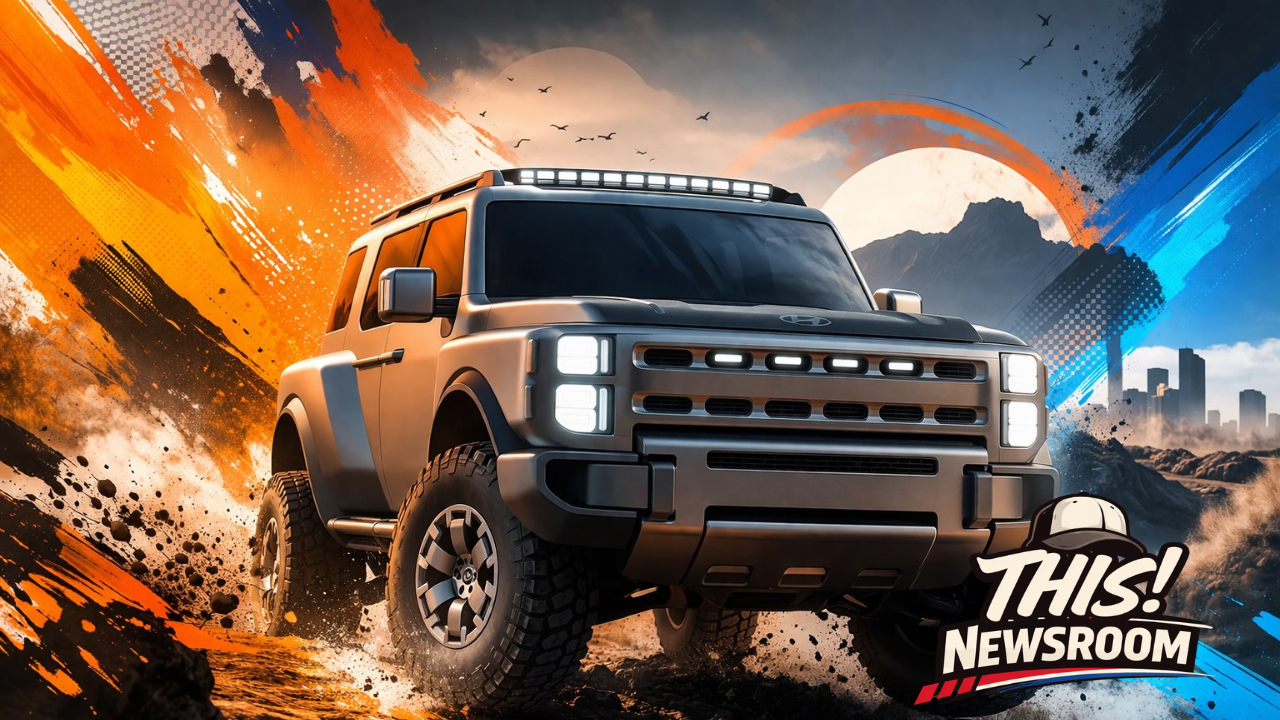
Hyundai Boulder Concept Revealed: Hyundai’s First Body-on-Frame Truck Signals 2030 Pickup
Hyundai just made one thing clear: it’s ready to play in a space it’s never fully owned before—serious trucks and off-road SUVs.
At the recent New York Auto Show, Hyundai Motor Company pulled the curtain back on the Boulder Concept, a rugged, boxy vehicle that isn’t just a design experiment—it’s a preview of something much bigger.
And if you’re a fan of trucks like the Tacoma, Bronco, or Wrangler… this should absolutely have your attention.
A Concept With a Purpose
Let’s be real—automakers throw out “concepts” all the time. Many never see the light of day.
This one feels different.
The Boulder Concept isn’t just about aesthetics. It’s actually a disguised preview of Hyundai’s first-ever body-on-frame platform—a major shift for a brand known mostly for crossovers and unibody SUVs.
That matters because:
- Body-on-frame = real off-road capability
- Body-on-frame = truck durability
- Body-on-frame = direct competition with legacy truck brands
In other words, Hyundai isn’t just experimenting—it’s entering the fight.
The Design: Boxy, Bold, and Built for Dirt
The Boulder leans hard into a rugged identity.
Think:
- Squared-off, two-box silhouette
- Aggressive stance with wide fenders
- Chunky off-road tires
- Clean but muscular lighting signature
It follows Hyundai’s evolving “Art of Steel” design language, but this time with a purpose—utility over softness.
There’s a clear message here:
Hyundai wants to be taken seriously by off-road enthusiasts, not just city drivers.
What It’s Really Hiding
Here’s where things get interesting.
This isn’t just an SUV concept—it’s a platform reveal.
Hyundai confirmed that this new architecture will underpin:
- A midsize pickup truck (targeted for around 2030)
- Potential future off-road SUVs
- Possibly a broader lineup of rugged utility vehicles
That’s a big deal.
Because until now, Hyundai has never truly competed in the traditional truck market in the U.S. (the Santa Cruz doesn’t count—it’s unibody).
This changes that.
Why This Matters (More Than You Think)
This move signals a strategic shift:
1. Hyundai is going after legacy truck dominance
Brands like Ford, Toyota, and Jeep have owned this space for decades. Hyundai entering it means more competition—and likely more innovation.
2. It aligns with consumer trends
Buyers are moving toward adventure-ready vehicles—even if they never leave pavement. The look and feel matters.
3. It opens the door to electrification
While not confirmed, a new platform could easily support hybrid or EV truck variants down the road.
Faith, Function, and Forward Vision
There’s something bigger here than just a vehicle.
It’s a reminder that growth requires stepping into spaces you haven’t mastered yet.
Hyundai didn’t wait until it “owned” the truck category.
They built toward it.
That’s a principle that applies far beyond the auto industry.
Sometimes, the next level isn’t about refining what’s comfortable—it’s about building something bold enough to carry your future.
What Comes Next
Hyundai says the production truck based on this platform is expected by 2030.
That gives them time to refine:
- Powertrain options (possibly hybrid or electric)
- Off-road capability benchmarks
- Market positioning against established players
But make no mistake—the signal has already been sent.
Hyundai is coming for the truck segment.
Final Take
The Boulder Concept isn’t just a cool design—it’s a strategic declaration.
Hyundai is stepping into one of the most competitive, brand-loyal spaces in the automotive world. And they’re doing it with intention.
If they execute well, this could be one of the most disruptive entries into the truck market in years.
About the Author