Krish Dhokia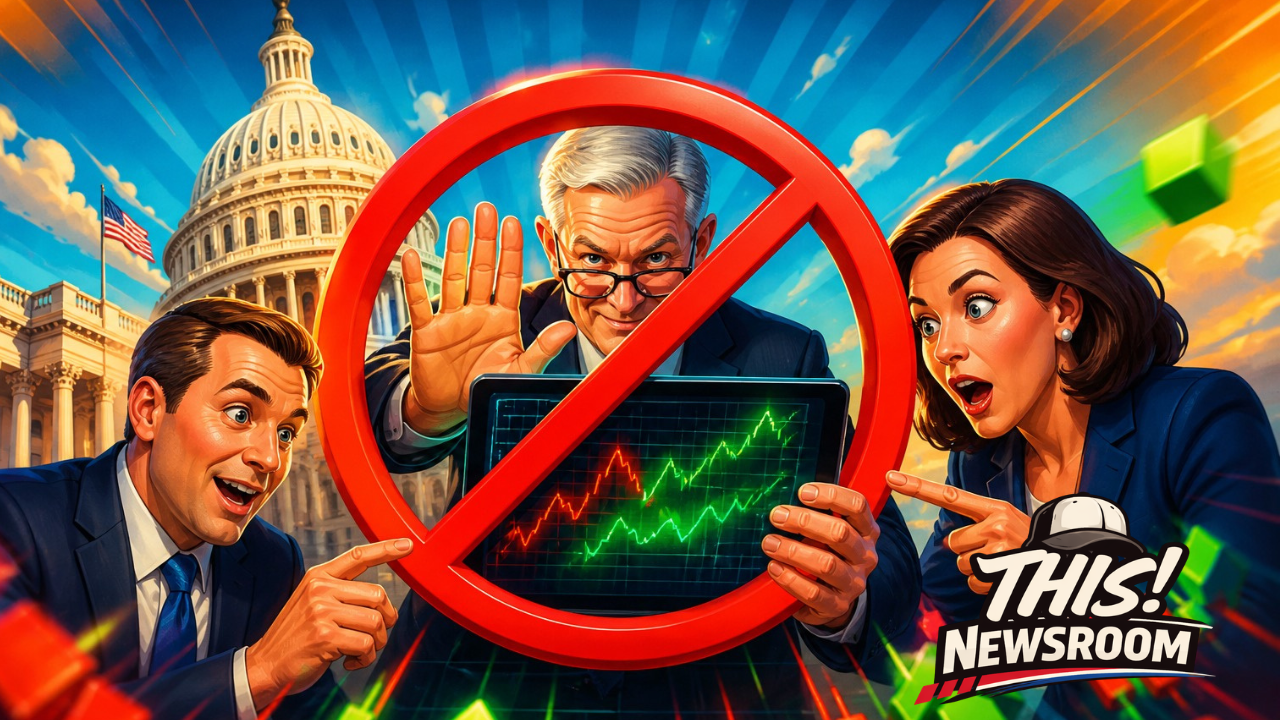
U.S. Senators Ban Themselves from Prediction Market Trading
In a rare moment of bipartisan alignment, members of the United States Senate have moved to prohibit themselves from participating in political prediction markets—platforms where users can essentially “bet” on the outcomes of elections, legislation, and major policy decisions.
At first glance, it might sound like a niche rule change. But zoom out, and it’s a significant step toward addressing a growing concern in Washington: the intersection of insider knowledge, financial incentives, and public trust.
What Are Prediction Markets—and Why Do They Matter?
Prediction markets have surged in popularity over the past few years. Platforms like Kalshi allow users to trade contracts based on real-world outcomes—everything from inflation rates to election winners.
Think of it as a hybrid between finance and forecasting:
- If you believe a candidate will win, you buy contracts reflecting that outcome.
- If you’re right, you profit.
- If not, you lose money.
For everyday users, it’s speculation.
For lawmakers? It can quickly become something else entirely.
The Core Issue: Information Asymmetry
U.S. senators operate in a unique position:
- They draft legislation
- They vote on policy
- They often receive classified or non-public briefings
Now imagine those same individuals placing trades on markets tied directly to those outcomes.
That’s not just questionable optics—it raises serious concerns about:
- Insider trading
- Market manipulation
- Conflict of interest
While traditional stock trading by members of Congress has already been under scrutiny for years, prediction markets introduce a more direct line between policy decisions and personal financial gain.
Why This Ban Is Happening Now
The timing isn’t random.
Prediction markets have evolved from fringe platforms into regulated financial tools. With companies like Kalshi gaining approval from regulators, participation has become more mainstream—and more visible.
At the same time:
- Public distrust in government transparency remains high
- Calls to ban congressional stock trading continue to gain traction
- Digital platforms have made financial activity easier to track and scrutinize
This move by the Senate appears to be a preemptive strike—closing a loophole before it becomes a full-blown scandal.
What Exactly Does the Ban Do?
The proposed restrictions would:
- Prohibit senators from trading in politically tied prediction markets
- Extend to markets involving legislation, elections, and economic policy outcomes
- Potentially include immediate family members, depending on final language
While enforcement details are still being finalized, the intent is clear:
Remove even the appearance of profiting from inside knowledge.
Is This Enough?
Here’s where things get interesting.
Critics argue this is only part of a much larger issue:
- Members of Congress can still trade individual stocks
- Blind trusts are not universally required
- Disclosure rules, while improved, are still reactive—not preventative
Supporters counter that this is a targeted, logical step, especially given how directly prediction markets tie to policymaking.
In reality, this ban may serve as a testing ground—a smaller, more manageable reform before tackling broader financial restrictions.
The Bigger Picture: Trust, Transparency, and Technology
This isn’t just about senators placing bets.
It’s about how modern financial tools are colliding with political power.
As platforms like Kalshi and others expand, the line between:
- Forecasting
- Investing
- Influencing outcomes
…is getting thinner.
And in that environment, even the perception of unfair advantage can erode public trust.
Final Take
The Senate banning itself from prediction market trading is a strategic move to stay ahead of a problem that hasn’t fully exploded—yet.
It acknowledges a simple reality:
When you have the power to shape outcomes, you probably shouldn’t be allowed to profit from predicting them.
Whether this becomes the first domino in broader congressional trading reform—or just a symbolic gesture—will depend on what happens next.
But one thing is clear:
The rules of politics are being rewritten in real time, as finance and technology continue to evolve.
About the Author