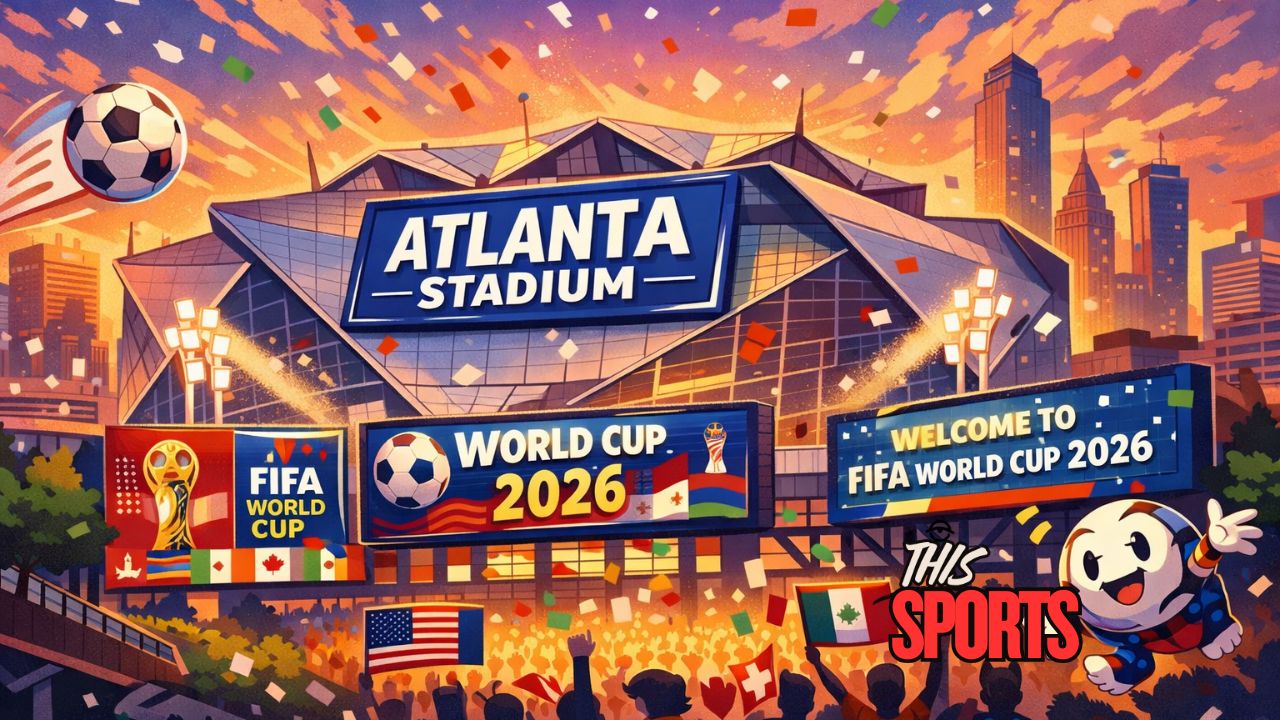
Mercedes-Benz Stadium will be known as “Atlanta Stadium” during the 2026 FIFA World Cup under FIFA branding rules.
If you’re heading to Atlanta for the 2026 FIFA World Cup, don’t look for a giant Mercedes logo on the stadium. You won’t find one.
For the duration of the tournament, Mercedes-Benz Stadium will temporarily shed its famous naming rights and be known simply as “Atlanta Stadium.”
Yes, that’s a real thing. And yes — it comes with a very real price tag.
Why FIFA Makes Stadiums Drop Corporate Names
FIFA has one of the strictest commercial rulebooks in global sports. Under FIFA regulations:
- Only official FIFA sponsors are allowed branding inside and around venues
- Non-FIFA corporate naming rights must be removed
- Stadiums are renamed using city-based or neutral identifiers
That means even globally recognized brands — whether it’s Mercedes-Benz, AT&T, or SoFi — are sidelined during the tournament.
This rule applies to all host venues for the FIFA World Cup, co-hosted by the United States, Canada, and Mexico.
What Actually Gets Removed (It’s More Than a Sign)
This isn’t just unscrewing a logo and calling it a day.
Here’s what typically gets stripped or covered:
- Exterior stadium signage
- Interior branding on walls, concourses, and suites
- Field-level LED boards
- Wayfinding signage
- Digital displays and broadcast-visible elements
- Branded language in official materials and ticketing
In short: if a camera can see it, FIFA controls it.
The Estimated Cost: Millions for a Temporary Name Change
According to estimates reported by major outlets like Reuters and stadium authorities across host cities:
- Total rebranding cost per stadium: $10–15 million
- Atlanta’s estimated range: ~$10 million+
- Who pays? Typically the stadium owner or local authority — not FIFA
For Atlanta, that responsibility falls on the Georgia World Congress Center Authority, which operates the stadium.
To put that into perspective:
That’s a multi-million-dollar makeover that lasts about one month.
From a branding ROI standpoint? Brutal.
From a global exposure standpoint? Worth it.
Does Mercedes-Benz Care?
Not really — and that’s the twist.
Mercedes-Benz still benefits massively from:
- Long-term naming rights beyond the tournament
- Global association with one of the most iconic stadiums in the world
- Billions of impressions before and after the World Cup
They just won’t get logo placement during the event unless they’re an official FIFA sponsor.
And Mercedes-Benz is many things — patient being one of them.
FIFA’s Sponsorship Machine at Work
This move isn’t about punishing stadiums. It’s about protecting FIFA’s sponsor exclusivity, which is how the organization generates billions.
In the last World Cup cycle, FIFA generated more than $7.5 billion in revenue, with sponsorships making up a massive share.
If Coca-Cola is paying FIFA hundreds of millions for exclusivity, FIFA isn’t about to let a free Mercedes logo slide into the broadcast.
Business is business. Even in soccer.
What Fans Will Notice (And What They Won’t)
Most fans inside the stadium won’t care at all.
What they will notice:
- A world-class venue
- A halo video board that still blows minds
- Packed crowds
- Global broadcasts reaching billions
What they won’t notice:
- A missing three-pointed star
- Corporate politics behind signage decisions
And honestly, that’s exactly how FIFA wants it.
Atlanta’s Bigger Win: Global Spotlight
Despite the cost, Atlanta still comes out ahead.
Hosting World Cup matches brings:
- Hundreds of thousands of visitors
- Billions in global media exposure
- Long-term tourism and economic benefits
- A permanent boost to the city’s international profile
Dropping the Mercedes name for a few weeks is the price of admission to the biggest sporting event on Earth.
The Bottom Line
Yes, Mercedes-Benz Stadium is temporarily losing its name.
Yes, it’s costing millions.
And yes, it’s absolutely worth it.
Because for a few weeks in 2026, Atlanta won’t just have a stadium —
it’ll have the world watching.
For more deep dives like this, check out our stadium and sports business coverage in THIS Sports, and catch broader cultural and economic angles over at This Newsroom.
About the Author