Krish Dhokia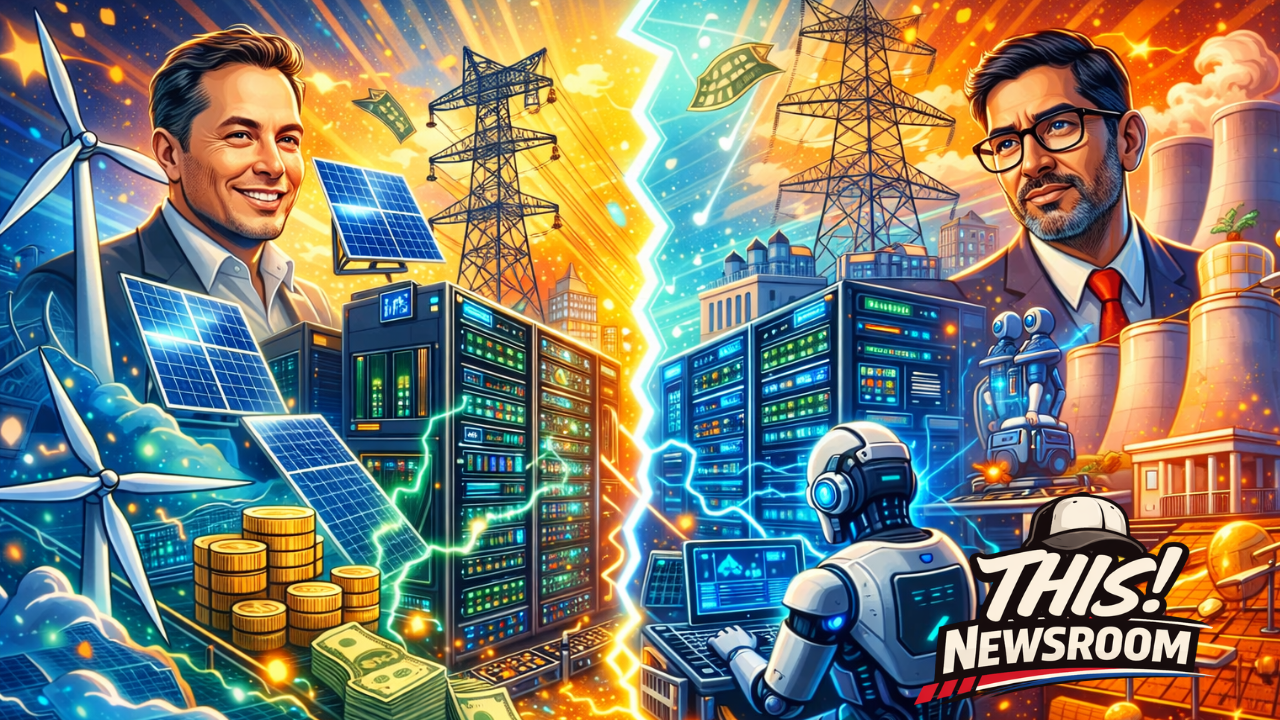

As artificial intelligence continues to expand at an unprecedented pace, one of the biggest challenges facing the industry is not software, algorithms, or computing power—it’s electricity. This week, major technology companies signaled a major shift by committing to cover the rising cost of electricity required to power the massive data centers that fuel the AI boom.
The announcement came during a White House event on March 4, 2026, where U.S. officials and technology leaders discussed the growing energy demands of artificial intelligence infrastructure and how to ensure the power grid can keep up.
AI’s Energy Problem Is Real
Artificial intelligence systems require enormous computing power. Training and operating large AI models can consume vast amounts of electricity because they rely on thousands of high-performance GPUs running simultaneously in large server facilities.
These facilities—known as hyperscale data centers—already consume significant energy worldwide. With AI adoption accelerating across industries like finance, healthcare, defense, and consumer technology, analysts expect energy demand from AI data centers to surge dramatically over the next decade.
Some estimates suggest that AI-related data centers could account for a sizable share of global electricity demand by the early 2030s.
Big Tech’s New Commitment
To address concerns about strain on local power grids and taxpayer-funded infrastructure, several large technology firms agreed to help cover the cost of electricity tied directly to their AI operations.
Instead of shifting those costs onto utilities or public infrastructure projects, companies are committing to pay for the energy needed to operate their expanding data center networks.
The move is designed to:
- Reduce pressure on public utilities
- Accelerate data center development
- Ensure power infrastructure expands alongside AI growth
- Avoid higher electricity costs for consumers
The policy shift also reflects growing scrutiny over the environmental and infrastructure impact of large-scale AI operations.
A Massive Buildout of Data Centers
The AI boom has triggered one of the largest infrastructure expansions in tech history.
Across the United States, companies are rapidly building or expanding data centers in regions including:
- Texas
- Virginia
- Arizona
- Georgia
- Ohio
These facilities house tens of thousands of servers and require specialized cooling systems, networking equipment, and power distribution infrastructure.
Many data centers now operate around the clock and demand energy comparable to small cities.
The Power Grid Challenge
Energy providers and regulators have increasingly warned that the rapid expansion of AI infrastructure could place significant pressure on regional power grids.
In some areas, utility companies have already paused new data center connections while they upgrade transmission lines and generation capacity.
By agreeing to directly cover the cost of electricity for their facilities, technology companies aim to reduce friction with regulators and speed up approvals for future projects.
The Push Toward Cleaner Energy
At the same time, many companies are pairing this commitment with investments in renewable energy.
Several major tech firms are building or funding:
- Solar farms
- Wind energy projects
- Battery storage systems
- Nuclear power partnerships
The goal is to power AI infrastructure while keeping long-term carbon commitments intact.
However, experts say the scale of AI demand means both renewable and traditional energy sources will likely play a role in the near future.
Why This Matters
Artificial intelligence is becoming the backbone of modern digital infrastructure—from search engines and recommendation systems to financial modeling and national security applications.
Ensuring that the energy grid can support this rapid expansion will be critical to maintaining technological leadership and economic competitiveness.
By committing to cover electricity costs for their data centers, technology companies are signaling that the next phase of the AI race won’t just be about software innovation—it will also be about infrastructure.
The companies that can scale computing power responsibly, sustainably, and efficiently may ultimately lead the next era of the global technology economy.
About the Author