Bill Ackman’s $5B Pershing Square IPO Drops 18%: What Went Wrong?

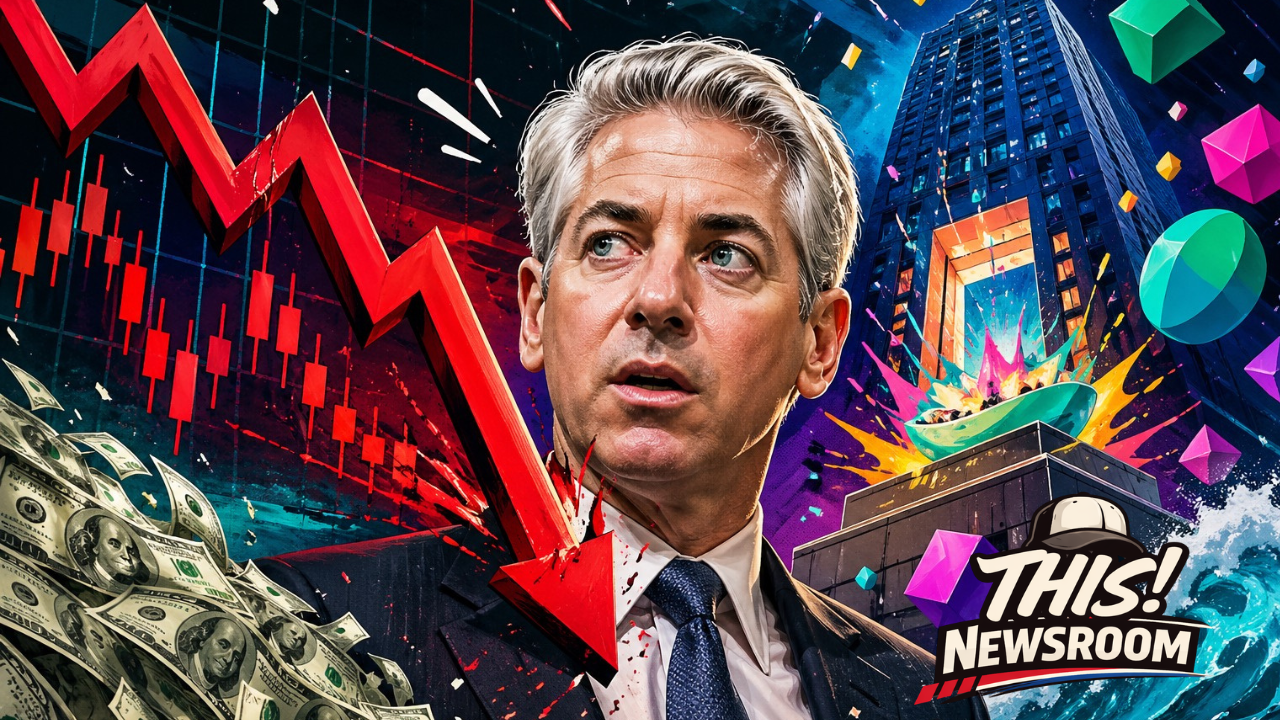
In a highly anticipated market debut, billionaire investor Bill Ackman saw his latest public offering take an immediate hit. Shares tied to Pershing Square Holdings dropped roughly 18% shortly after launch, despite raising an estimated $5 billion in what was expected to be one of the most compelling hedge fund IPOs in recent years.
So what went wrong?
The IPO: Big Expectations, Rough Landing
Ackman’s firm, already well known for activist investing and high-conviction bets, positioned the IPO as a way to unlock long-term value and expand access to its strategy. The offering attracted institutional and retail interest, largely driven by Ackman’s reputation and past high-profile wins.
However, within hours of trading, the stock slipped sharply—raising immediate concerns about pricing, demand, and broader market sentiment.
Why the Stock Dropped 18%
1. Premium Pricing vs. Investor Skepticism
The IPO was widely viewed as aggressively priced. Investors appeared reluctant to pay a premium for a fund structure that already trades publicly in other forms. When expectations overshoot perceived value, the market corrects quickly—and that’s exactly what happened.
2. Hedge Fund Structures Aren’t Always IPO-Friendly
Unlike traditional operating companies, hedge funds can be harder to value. Investors don’t just assess revenue and growth—they must evaluate:
- Portfolio concentration
- Manager decision-making risk
- Fee structures
- Liquidity limitations
For many public market investors, that complexity can translate into discounted demand.
3. Market Conditions and Timing
The IPO landed during a period of heightened volatility. With interest rates still elevated and equities showing uneven performance, appetite for new listings—especially complex financial vehicles—has been cautious.
Even strong brands can struggle if timing is off.
4. Track Record vs. Recent Performance
While Ackman has had notable wins (including major bets on companies like Chipotle and Lowe’s), investors are increasingly focused on recent performance consistency, not just long-term reputation.
That scrutiny can weigh heavily during a public offering.
What This Means for Bill Ackman
For Bill Ackman, this isn’t unfamiliar territory. His career has been defined by bold, high-stakes moves, some wildly successful, others controversial.
This IPO setback:
- Doesn’t erase his long-term track record
- But does signal changing investor expectations
- And highlights the challenge of bringing hedge fund strategies into public markets
What It Means for the Market
This deal could have broader implications:
• IPO Market Reality Check
Even marquee names aren’t immune to pricing discipline. Investors are no longer chasing hype—they’re demanding value.
• Hedge Fund Accessibility Debate
The struggle raises questions about whether hedge funds translate well into public vehicles, especially for everyday investors.
• Future Offerings May Adjust
Other firms considering similar IPOs may:
- Price more conservatively
- Simplify structures
- Offer clearer value propositions
The Bigger Picture
The Pershing Square IPO was supposed to be a statement moment—a bridge between elite hedge fund strategies and public market investors.
Instead, it became a reminder:
The market always has the final say.
And right now, it’s saying one thing clearly—
price matters more than prestige.
About the Author