Krish Dhokia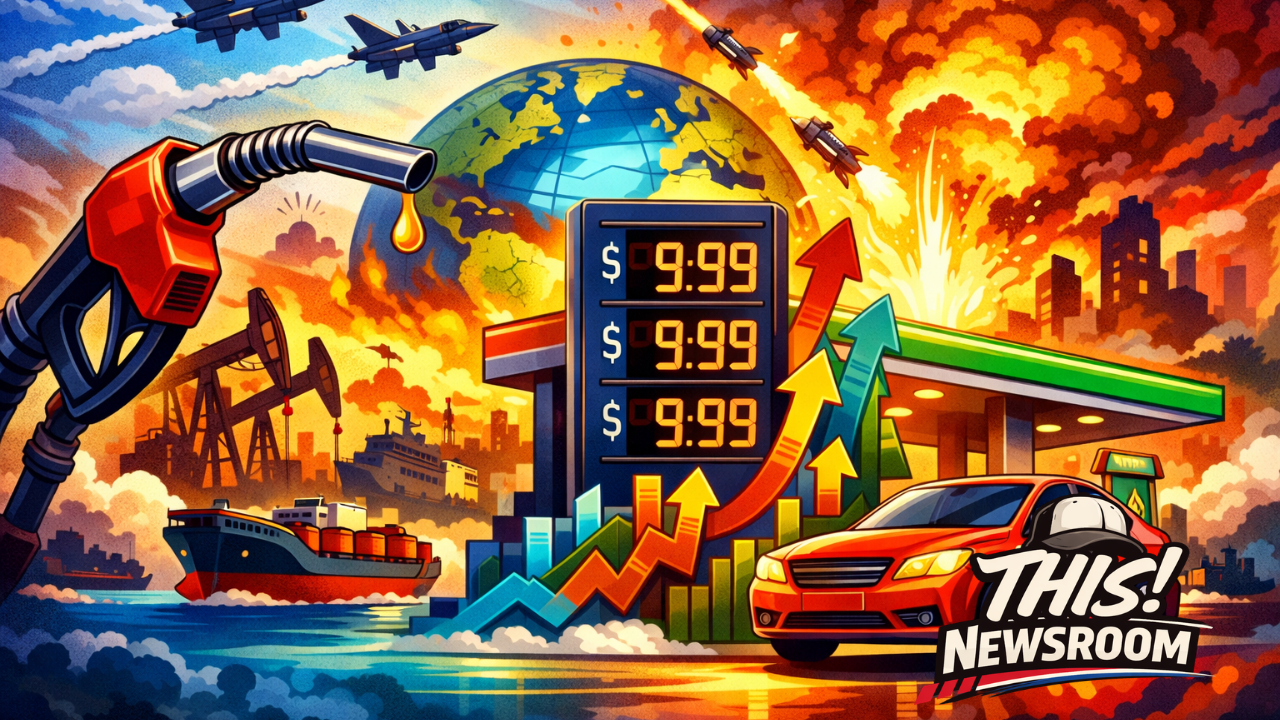
Gas prices across the United States are climbing rapidly as escalating global conflict sends shockwaves through the oil market. What began as a regional military escalation has now become a geopolitical issue affecting energy supplies, transportation costs, and consumer confidence across the world.
For American drivers, the result is already visible at the pump.
Why Gas Prices Are Rising
Oil markets operate largely on expectations. When war expands in regions tied to global energy supply chains—particularly areas around the Middle East, shipping corridors, or oil-producing nations—traders react quickly.
Even the possibility of supply disruption can drive prices upward.
Several factors are fueling the spike:
1. Fear of Supply Disruptions
Major oil shipping routes like the Strait of Hormuz carry roughly 20% of the world’s oil supply. Any threat to shipping lanes or tanker movement can tighten global supply overnight.
Markets react immediately to that risk.
2. Market Speculation
Energy traders buy oil futures based on expected shortages. When geopolitical instability rises, speculative buying increases, pushing oil prices—and eventually gas prices—higher.
3. Strategic Stockpiling
Countries and corporations often begin stockpiling fuel during times of uncertainty. That surge in demand adds additional upward pressure on prices.
4. Refinery and Shipping Costs
Insurance for oil tankers rises during wartime conditions. Shipping routes may also be redirected or slowed, increasing transportation costs that get passed along to consumers.
The Impact on American Drivers
The United States produces a large amount of its own oil, but the country still participates in a global oil market. When international crude prices rise, U.S. gasoline follows.
Drivers are already seeing:
- Rapid increases at the pump week-to-week
- Higher diesel costs affecting trucking and logistics
- Rising airline fuel costs, which often translate to more expensive travel
For families and businesses, fuel inflation spreads quickly through the economy.
Transportation, shipping, groceries, and airline tickets all become more expensive.
Airlines May Be Hit Hardest
Jet fuel is one of the airline industry’s largest operating expenses. When oil prices spike, airlines have only a few options:
- Raise ticket prices
- Reduce routes
- Add fuel surcharges
Travel experts warn that if oil continues climbing, summer and holiday travel prices could rise significantly.
Budget airlines may feel the squeeze the most since they rely on low-cost pricing models.
Economic Ripple Effects
Rising energy prices affect much more than transportation.
Historically, spikes in oil prices can lead to:
- Lower consumer confidence
- Higher inflation
- Increased costs for manufacturing and goods
- Volatility in financial markets
For policymakers and central banks, higher fuel costs complicate efforts to control inflation while maintaining economic growth.
What Happens Next
Energy analysts say the direction of prices will largely depend on how the conflict evolves in the coming weeks.
If the war stabilizes and supply chains remain intact, markets may calm down.
But if the conflict spreads further into energy-producing regions or disrupts global shipping routes, oil prices—and gasoline prices—could climb significantly higher.
For now, Americans are watching the same thing the oil markets are watching: the next move in a conflict that is rapidly reshaping the global energy landscape.
About the Author