
Discover how sports cars evolved into exotic, supercars, hypercars, and ultra hypercars. Learn the key differences, examples, and what defines each category.
There was a time when owning a sports car meant a sleek two-door with a little extra horsepower and a lot of attitude. Today, that definition has completely evolved.
We’ve entered an era where speed, engineering, exclusivity, and technology have created entirely new tiers of performance machines—Exotics, Supercars, Hypercars, and now Ultra Hypercars.
This isn’t just about driving anymore. It’s about status, innovation, and pushing the limits of what’s physically possible on four wheels.
Let’s break it all down.
Exotic Cars: Where Luxury Meets Performance
What defines an Exotic?
Exotic cars are the gateway into the high-performance world. They blend luxury, design, and strong performance, while still being relatively usable day-to-day.
Key Traits:
- Premium craftsmanship and design
- Strong (but not extreme) horsepower: ~400–650 HP
- Daily-drivable in most conditions
- Brand prestige plays a major role
Examples:
- Ferrari Roma
- Lamborghini Huracán
- McLaren GT
- Aston Martin DB11
Think of this category as: a refined statement of success paired with performance.
Supercars: Performance First, Everything Else Second


4
This is where performance becomes the priority.
Supercars are engineered for speed, acceleration, aerodynamics, and track capability. Comfort and practicality begin to take a back seat.
Key Traits:
- 600–900+ HP
- 0–60 mph in ~2.5–3.0 seconds
- Advanced aerodynamics and lightweight construction
- Aggressive styling and sound
Examples:
- Ferrari 488 Pista
- Lamborghini Aventador SVJ
- McLaren 720S
- Porsche 911 GT2 RS
This category represents drivers who want elite performance with recognizable prestige.
Hypercars: Engineering Masterpieces

4
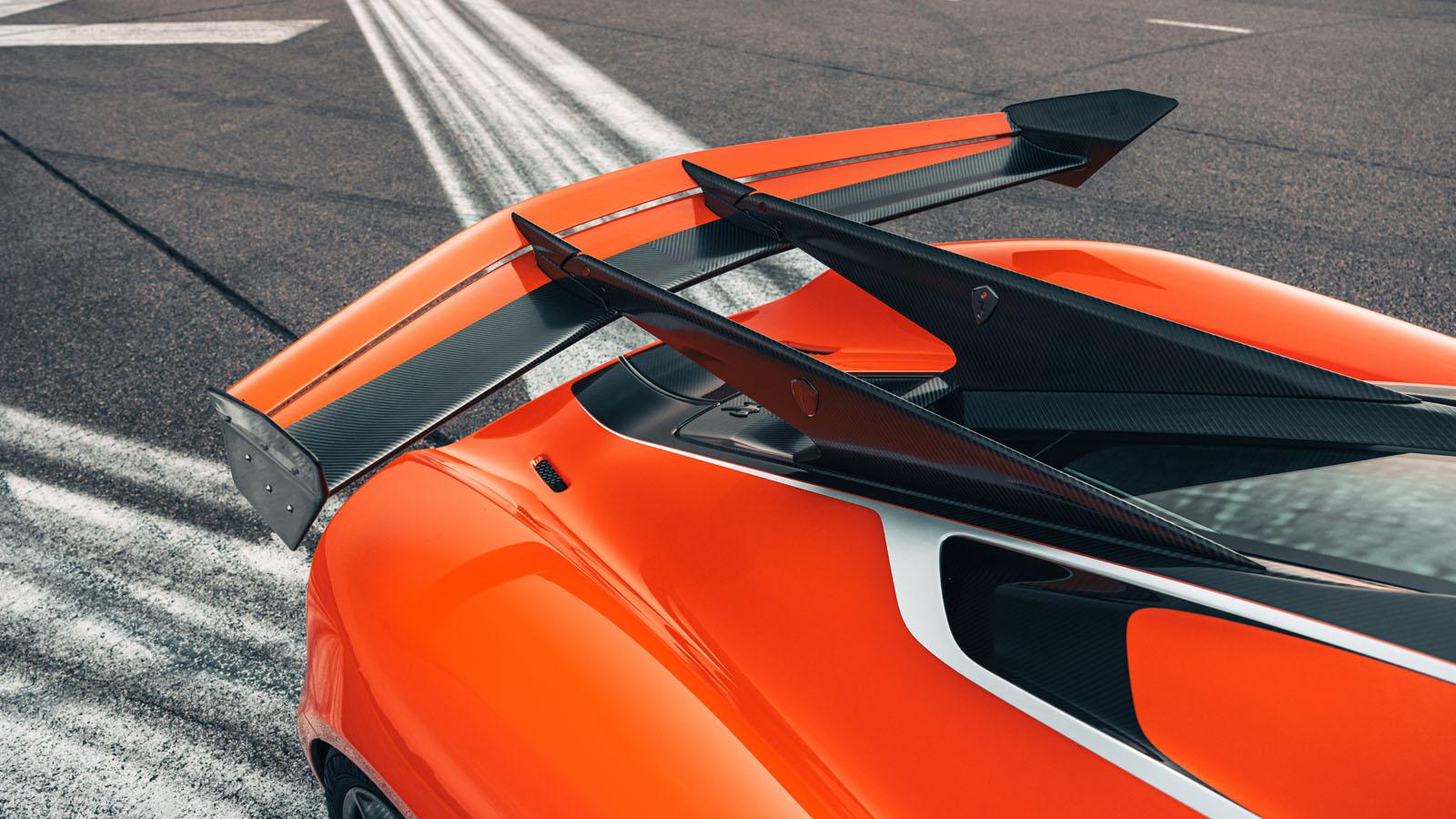
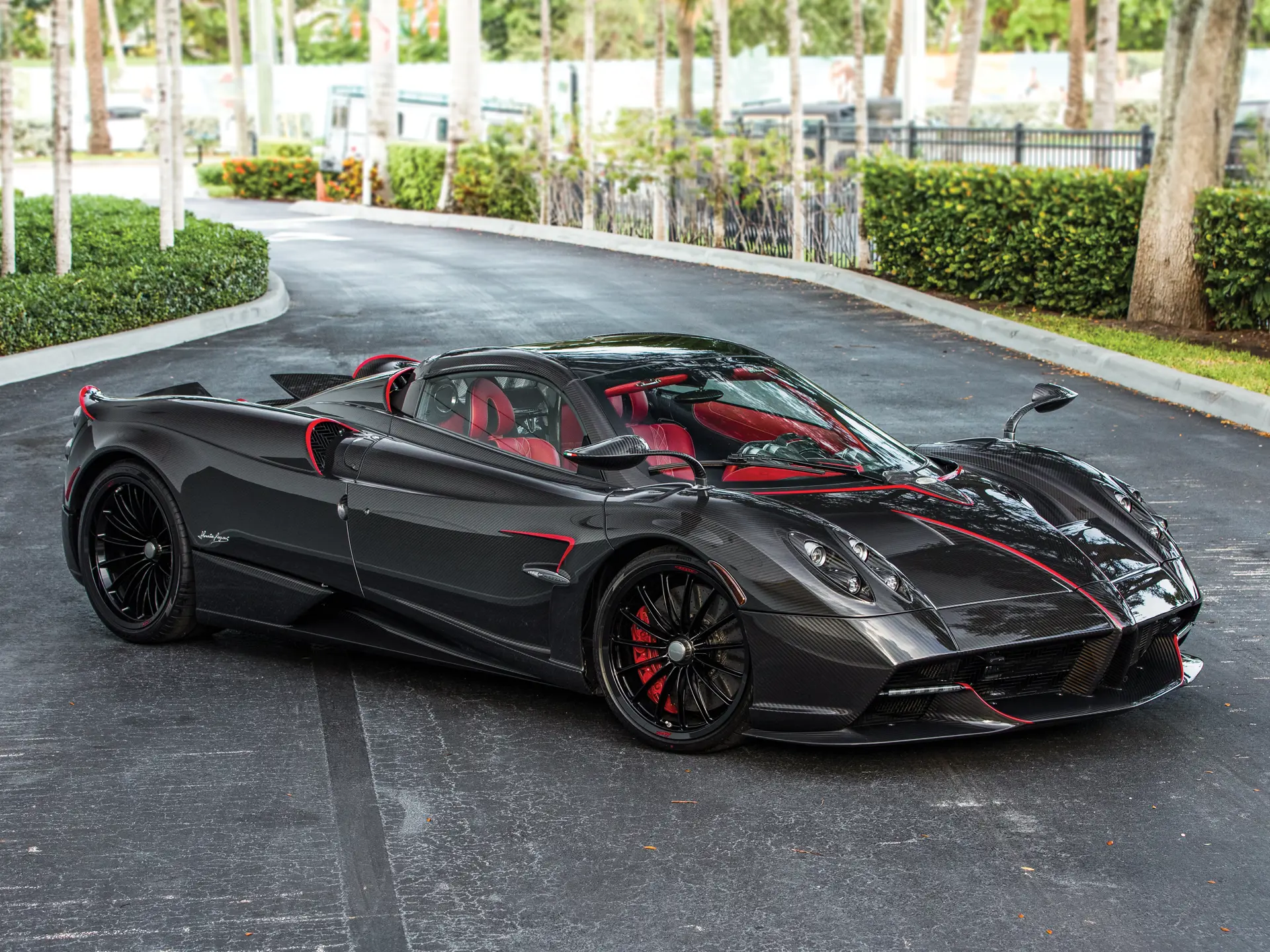
Hypercars represent the peak of automotive engineering.
Manufacturers push every boundary—combining extreme power, cutting-edge technology, and limited production to create machines that redefine performance.
Key Traits:
- 1,000+ HP, often with hybrid systems
- Top speeds exceeding 250 mph
- Extremely limited production, often under 100 units
- Price range typically between $2M–$5M+
Examples:
- Bugatti Chiron
- Koenigsegg Jesko
- Pagani Huayra
- McLaren P1
At this level, a car becomes more than transportation—it becomes a technological statement.
Ultra Hypercars: The New Frontier

4
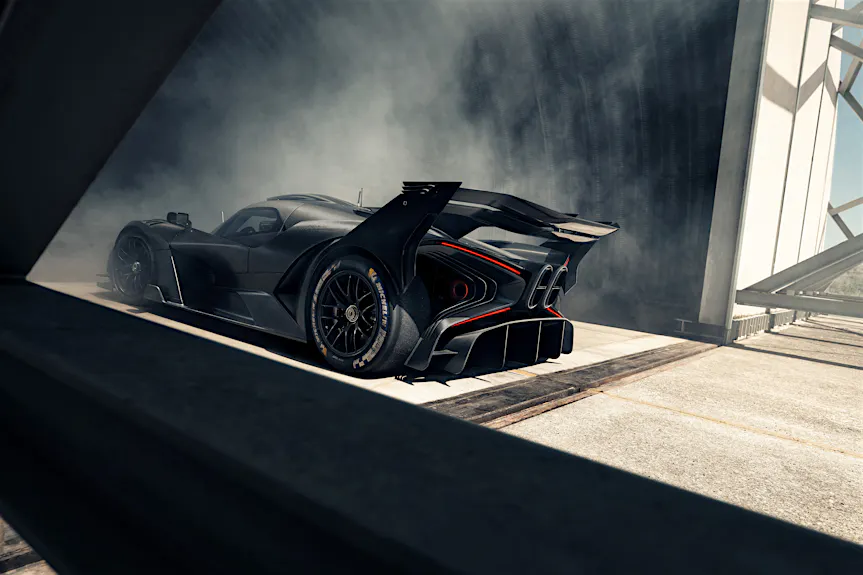
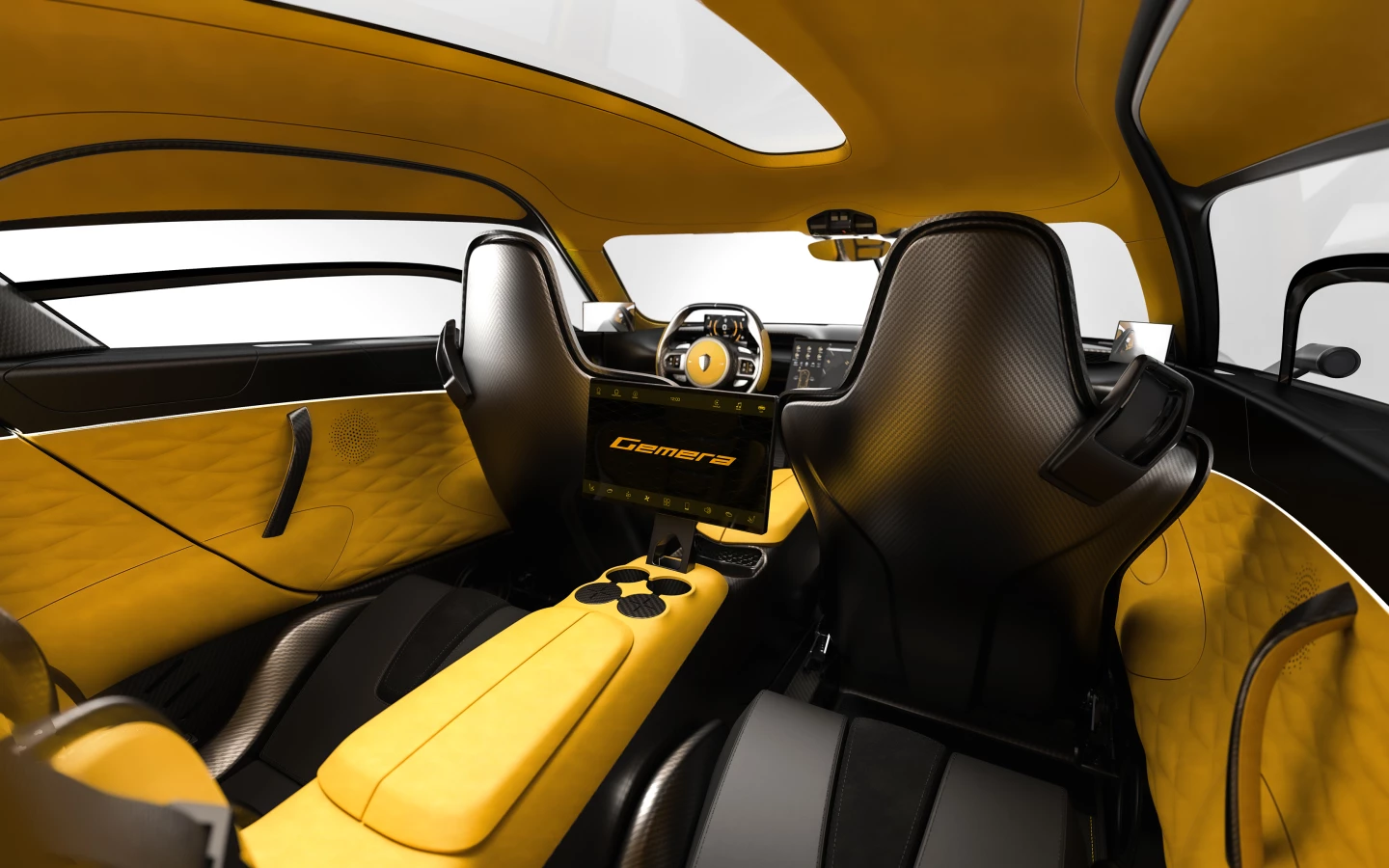
Ultra Hypercars represent the absolute edge of automotive innovation.
These vehicles often blur the line between road car and experimental machine. Many are track-focused, fully electric, or built in extremely limited quantities.
Key Traits:
- 1,500–2,000+ HP
- Advanced hybrid or fully electric powertrains
- Often track-only or highly specialized for limited use
- Production numbers sometimes below 50 units
- Price range typically between $5M–$10M+
Examples:
- Bugatti Bolide
- Koenigsegg Gemera
- Rimac Nevera
- Lotus Evija
This category represents what happens when engineering ambition has no constraints.
What Changed Over Time?
Technology Integration
- Hybrid performance systems introduced new power levels
- Fully electric hyper-performance platforms are emerging
- Advanced software enhances traction, aerodynamics, and control
Materials and Engineering
- Widespread use of carbon fiber
- Introduction of 3D-printed components
- Influence from aerospace engineering principles
Exclusivity as Value
- Limited production drives demand and long-term value
- Manufacturers often select buyers
- Vehicles are increasingly treated as collectible assets
Performance Benchmarks
- Sub-2 second 0–60 times are becoming achievable
- Quarter-mile times rival professional drag vehicles
- Top speeds approach or exceed 300 mph
It’s Not Just a Car Anymore
At the highest levels, ownership now includes:
- Investment potential
- Direct relationships with manufacturers
- Access to future limited builds
- Entry into an exclusive global community
Final Thought
The evolution from sports cars to ultra hypercars reflects more than just speed.
It highlights how far innovation can go when engineering, capital, and ambition align. Each category builds on the last, pushing boundaries further and redefining expectations.
And the trajectory suggests that the next generation of performance vehicles may go even further beyond what we currently consider possible.
About the Author