Krish Dhokia
April 1st Explained: History of April Fools, Markets, Politics & Economic Impact
April 1st is widely known for jokes, tricks, and viral pranks—but beneath the humor lies a surprisingly rich history tied to culture, economics, politics, and even financial markets. This date—and the month it begins—has quietly shaped global narratives for centuries.
The Origins of April Fools’ Day
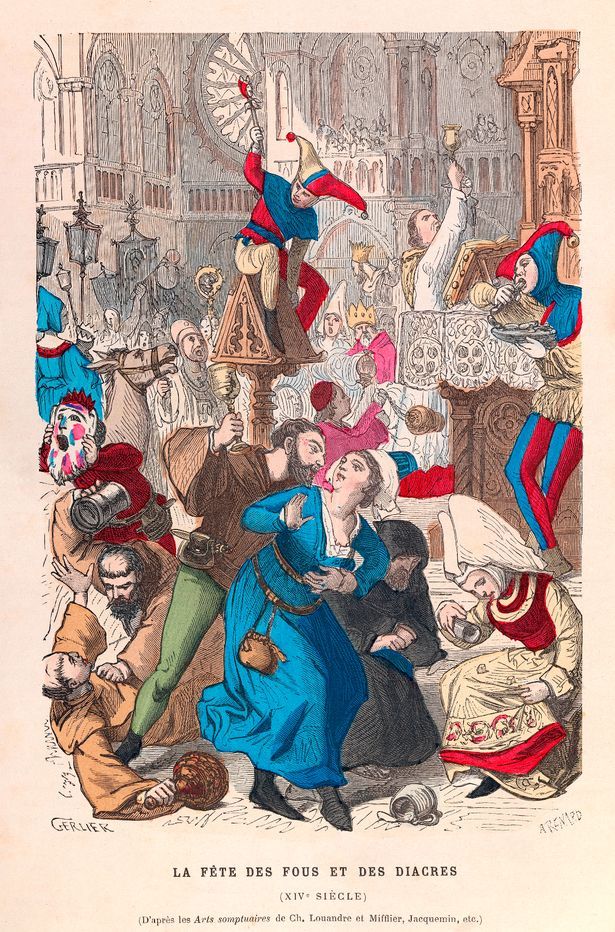
The exact origins of April Fools’ Day remain debated, but the most widely accepted theory traces back to 16th-century France.
In 1582, France adopted the Gregorian calendar, shifting New Year celebrations from late March/early April to January 1. However, not everyone got the memo—or chose to accept it. Those who continued celebrating the New Year around April 1 became the target of ridicule and pranks.
They were called “April fools.”
Over time, this playful mockery evolved into a global tradition. Today, brands, media outlets, and individuals all participate—sometimes blurring the line between joke and reality.
The Month of April: A Season of Transition
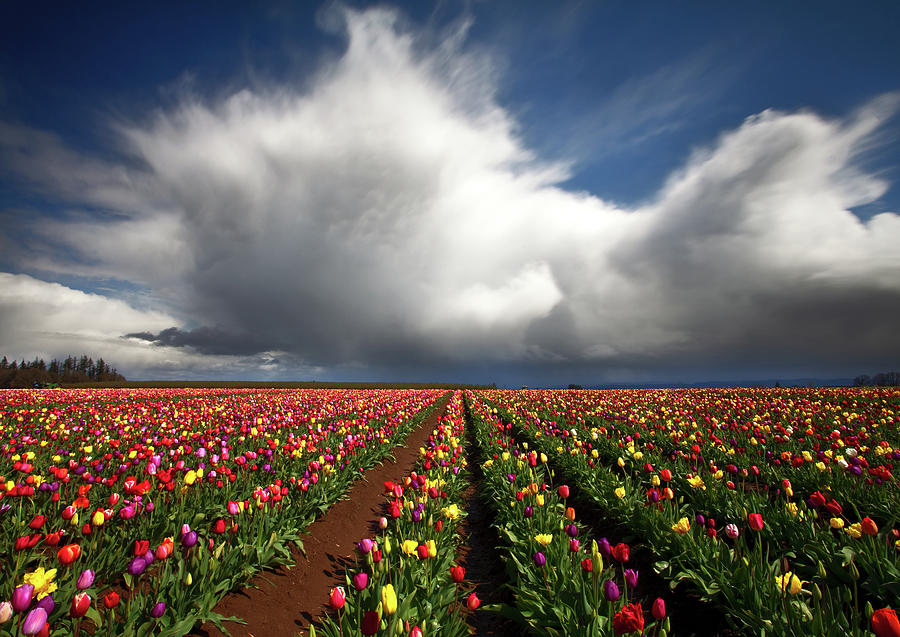
April represents transition—both symbolically and practically:
- Spring emerges in full force across much of the Northern Hemisphere
- Agricultural cycles begin to accelerate
- Consumer behavior shifts (travel, retail, home buying)
- Tax season peaks in the United States
The phrase “April showers bring May flowers” reflects real economic patterns tied to seasonal demand, supply chains, and consumer psychology.
April in the Stock Market: A Historically Strong Month

April has a unique reputation on Wall Street.
Historically, it’s one of the strongest-performing months for stocks, particularly for indices like the S&P 500.
Why April tends to perform well:
- End-of-quarter earnings optimism (Q1 results)
- New fiscal year inflows from retirement accounts and institutional investors
- Tax refund reinvestment by consumers
- Continued momentum from the well-known market pattern:
“Sell in May and go away”
While not guaranteed, April has historically delivered above-average returns compared to many other months.
April in Politics & Global History
April has also played a critical role in political and global developments:
Key Patterns:
- Fiscal Year Starts
Many countries—including the UK, Japan, and India—begin their fiscal year in April. This means new budgets, policies, and economic priorities often launch now. - Major Announcements & Reforms
Governments frequently roll out legislation, tax changes, and policy updates in April, aligning with new fiscal cycles. - Historic Events
April has seen major global milestones—from revolutions to landmark agreements—often tied to seasonal timing and economic resets.
The Deeper Meaning of April 1st
April 1st sits at the intersection of illusion and reality.
It reminds us:
- Not everything we hear is true
- Timing matters—in markets, politics, and life
- Transitions create opportunity
In many ways, April Fools’ Day mirrors the broader world:
- Markets can be unpredictable
- Narratives can shift quickly
- Perception often shapes reality
Final Take
April 1st isn’t just about pranks—it’s about perspective.
It marks:
- A shift in seasons
- A turning point in economic cycles
- A reset in fiscal and political landscapes
And while the day invites humor, it also offers a subtle reminder:
Stay sharp. Stay curious. And question everything—especially on April 1st.
About the Author