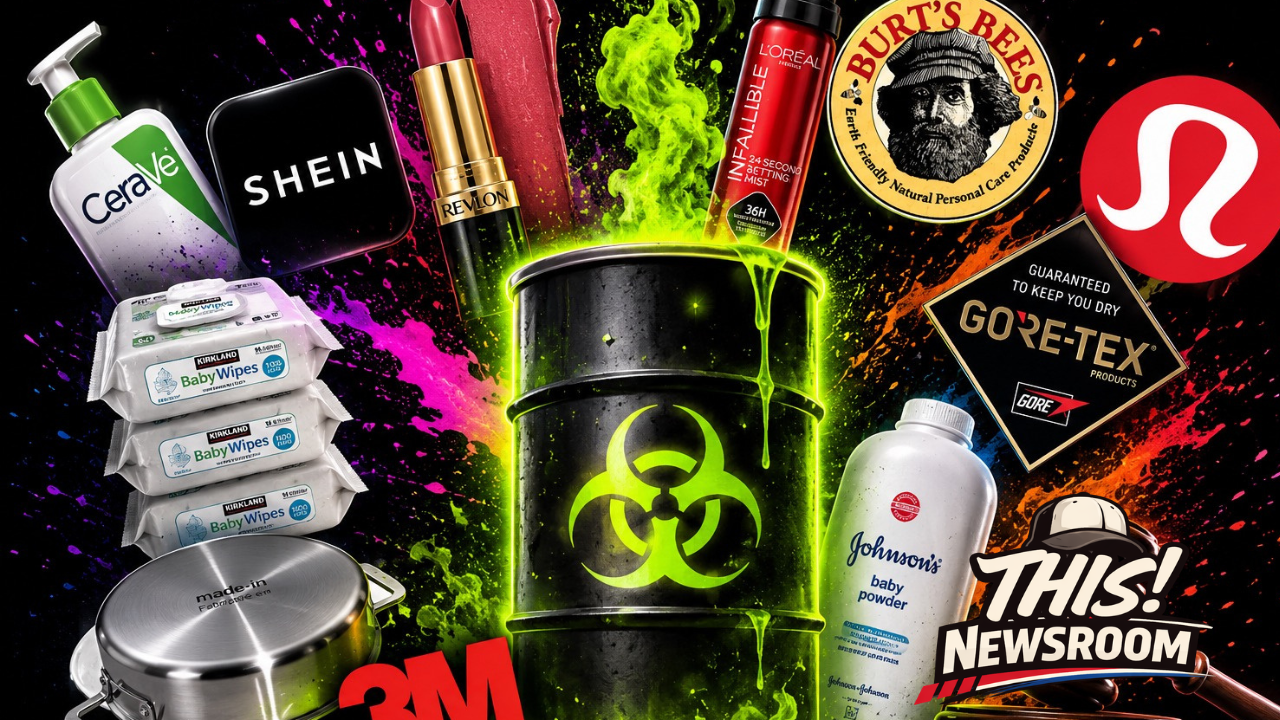
11 Major Brands Facing Toxic Chemical Lawsuits: What Consumers Need to Know in 2026
Consumers are becoming increasingly concerned about what is actually inside the products they use every day. From skincare and cosmetics to clothing, cookware, baby products, and household goods, lawsuits across the United States and around the world have alleged that some major brands failed to adequately disclose the presence of potentially harmful chemicals in their products.
It’s important to note that lawsuits and investigations do not automatically prove wrongdoing. Many of these cases remain active, while others have resulted in settlements without admissions of liability. Still, the growing number of legal challenges has sparked a broader conversation about chemical transparency, product safety, and corporate accountability.
Here is a closer look at 11 major brands that have recently faced lawsuits, investigations, or significant legal scrutiny involving toxic chemical allegations.
1. CeraVe and L’Oréal
One of the more recent controversies involves acne treatment products containing benzoyl peroxide. Multiple lawsuits have alleged that certain benzoyl peroxide-based products may degrade over time and potentially generate benzene under specific conditions.
Benzene is classified as a known human carcinogen by health authorities worldwide. Long-term exposure to elevated levels has been linked to leukemia and other blood-related cancers.
The lawsuits against CeraVe and parent company L’Oréal claim consumers were not adequately warned about potential risks. The companies have disputed various allegations and continue to defend their products.
The controversy has reignited debate about product stability testing and whether skincare manufacturers should be required to conduct more aggressive temperature and storage studies.
2. SHEIN
Fast-fashion giant SHEIN has faced growing scrutiny from regulators, consumer groups, and product testing organizations.
Several investigations have reported elevated levels of substances such as lead, phthalates, and PFAS compounds in some clothing, accessories, and footwear sold through the platform. Certain reports claimed concentrations significantly exceeded regulatory limits.
Lead exposure can impact neurological development, particularly in children. Phthalates have been associated with hormone disruption, while PFAS chemicals have been linked to various health concerns.
SHEIN has stated that it conducts product testing and works with suppliers to meet safety standards. However, the controversy highlights ongoing concerns surrounding global supply chains and ultra-fast fashion manufacturing.
3. L’Oréal and Revlon Hair Relaxer Litigation
One of the largest active mass torts in the United States centers on chemical hair relaxers and straightening products.
Thousands of women have filed lawsuits alleging long-term use of certain hair-relaxing products contributed to:
- Uterine cancer
- Ovarian cancer
- Endometrial cancer
- Reproductive health issues
The litigation gained momentum after studies suggested a possible association between frequent use of chemical straighteners and increased cancer risk.
More than 10,000 lawsuits have been filed, making it one of the largest consumer health cases currently moving through U.S. courts.
The manufacturers deny that their products cause cancer and continue to defend the claims.
4. Burt’s Bees
Burt’s Bees built its reputation around natural ingredients and environmentally conscious products.
However, lawsuits have alleged that some cosmetic products contained PFAS compounds despite being marketed as natural alternatives.
PFAS, often called “forever chemicals,” are synthetic compounds that resist breaking down in the environment. They can accumulate in water supplies, wildlife, and human bodies over time.
Researchers have associated certain PFAS compounds with:
- Hormonal disruption
- Immune system effects
- Fertility concerns
- Elevated cancer risks
The litigation focuses largely on marketing claims and whether consumers were misled regarding product composition.
5. Lululemon
Athletic apparel giant Lululemon has faced scrutiny regarding PFAS chemicals used in water-resistant activewear.
PFAS compounds are frequently utilized to create:
- Water resistance
- Oil resistance
- Stain resistance
Consumer advocates argue that some products marketed as sustainable or health-conscious may still contain these chemicals.
The legal questions center less on immediate toxicity and more on disclosure, transparency, and whether consumers received sufficient information about what was used in manufacturing.
Lululemon has publicly discussed efforts to reduce PFAS usage in future product lines.
6. Gore-Tex
Gore-Tex has long been considered the gold standard in waterproof outdoor fabrics.
However, lawsuits have alleged the company engaged in “greenwashing” by marketing products as environmentally responsible while continuing to utilize PFAS-related technologies in certain applications.
PFAS chemicals have historically been critical to achieving the water-repellent performance that made Gore-Tex famous.
Critics argue consumers deserve greater transparency regarding environmental impacts, while the company maintains it has invested heavily in alternative technologies and sustainability initiatives.
The case illustrates a growing challenge facing manufacturers: balancing performance expectations with environmental concerns.
7. Costco (Kirkland Signature Baby Wipes)
A recent lawsuit involving Costco’s Kirkland Signature Fragrance-Free Baby Wipes has drawn attention from parents nationwide.
The lawsuit alleges the wipes contained PFAS compounds despite being marketed as safe and gentle for infants.
PFAS exposure is particularly concerning to many health advocates because babies and young children may be more vulnerable to environmental contaminants.
Costco has denied wrongdoing, and the litigation remains ongoing.
Regardless of the outcome, the case has intensified consumer demand for clearer ingredient disclosure in products designed for children.
8. Made In Cookware
Premium cookware brand Made In has faced allegations involving non-stick cookware coatings.
The lawsuit claims the company marketed certain products as “non-toxic” and “PFOA-free” while allegedly failing to clearly communicate the presence of PTFE coatings.
While PTFE is different from PFOA, critics argue many consumers do not understand the distinction.
The litigation largely revolves around marketing practices and whether consumers could have been misled by labeling claims.
The case reflects increasing public confusion surrounding non-stick cookware chemistry and safety.
9. 3M
Few companies have become more closely associated with PFAS litigation than 3M.
The manufacturing giant has faced numerous lawsuits globally over alleged PFAS contamination tied to firefighting foams and industrial operations.
In one of the largest environmental battles in recent history, governments, municipalities, and water systems have sought billions of dollars in damages related to contamination cleanup.
PFAS chemicals have been linked to concerns involving:
- Liver function
- Immune response
- Cholesterol changes
- Certain cancers
3M has announced plans to exit PFAS manufacturing and has already entered into several major settlement agreements while continuing to contest some claims.
10. Johnson & Johnson
The Johnson & Johnson talc litigation remains one of the most significant product liability cases ever filed.
Plaintiffs allege certain talc-based products contained asbestos contamination and contributed to cancers such as:
- Mesothelioma
- Ovarian cancer
The company has consistently maintained that its products were safe and asbestos-free.
Despite billions of dollars in settlements and verdicts over the years, litigation continues across multiple countries and jurisdictions.
The case has fundamentally changed how consumers view ingredient sourcing, testing, and long-term product safety.
11. The Bigger PFAS Problem
Although not tied to a single brand, PFAS chemicals connect many of the lawsuits listed above.
PFAS are found in thousands of products, including:
- Non-stick cookware
- Waterproof clothing
- Cosmetics
- Food packaging
- Cleaning products
- Industrial materials
Scientists refer to them as “forever chemicals” because they can remain in the environment for decades.
Regulators worldwide are increasingly evaluating restrictions on PFAS use, and companies across numerous industries are scrambling to reformulate products before future regulations take effect.
Why These Lawsuits Matter
These cases reflect a broader shift in consumer expectations.
Today’s shoppers want more than product performance. They want transparency. They want to know what chemicals are being used, why they are being used, and what risks may be associated with them.
Many of these lawsuits may ultimately be dismissed, settled, or resolved without findings of wrongdoing. However, they are already changing how companies formulate products, market ingredients, and communicate with consumers.
For businesses, the message is clear: transparency is becoming just as important as innovation.
For consumers, the lesson is equally simple: understanding product labels and asking questions about ingredients has never been more important.
As these cases continue to unfold, they could reshape entire industries—from beauty and fashion to cookware, baby products, and household goods—for years to come.
About the Author