Apollo vs Artemis: Was the Moon Landing Fake or Real in the Age of AI?
4
Let’s address the question that has been bouncing around Reddit threads, TikTok comment sections, and late-night group chats:
Was the Apollo 11 Moon Landing fake… or is the newer Artemis Program the one pulling the wool over our eyes?
Or—and this is where it gets spicy—could both somehow be true, both fake, or both misunderstood?
Welcome to the intersection of history, technology, conspiracy culture, and AI-fueled chaos. Buckle up.
The OG Debate: Was Apollo Fake?
The Claims (aka “The Moon Truthers Starter Pack”)
Since 1969, skeptics have argued that NASA staged the Apollo missions on a Hollywood set. The most common arguments:
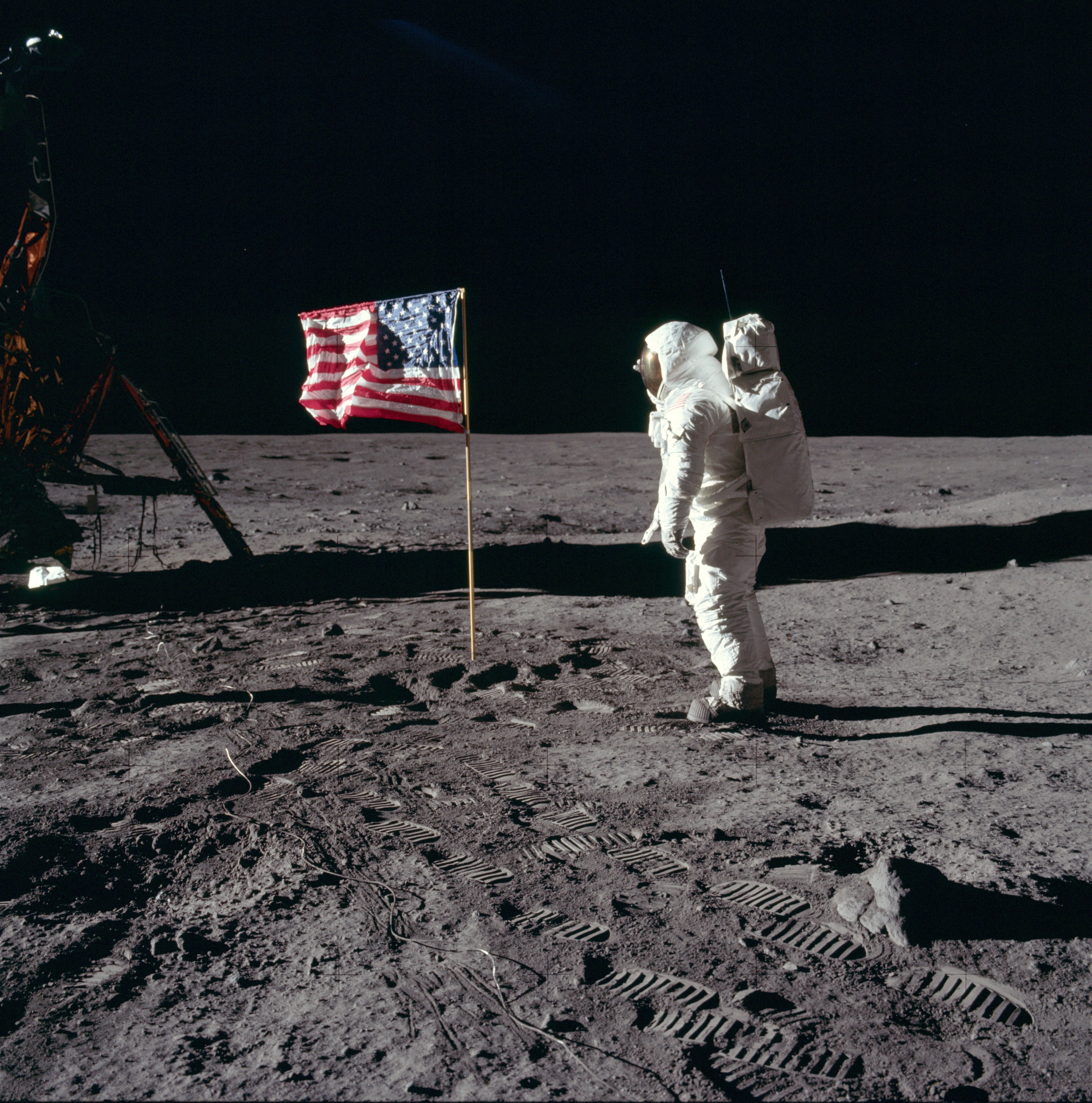
- The flag looks like it’s waving (no wind on the Moon… right?)
- No stars are visible in photos
- Shadows look “inconsistent”
- Radiation belts should’ve fried astronauts
- “It just looks fake”
And yes, somewhere in this conversation, someone always brings up Stanley Kubrick like he secretly directed humanity’s greatest “film project.”
The Reality
Here’s where things get less cinematic and more scientific:
- The “waving flag” was due to a horizontal rod and momentum when planted
- Stars aren’t visible because camera exposure was set for bright lunar surface
- Shadows appear unusual due to uneven terrain and lighting angles
- The Van Allen radiation belts were passed through quickly with shielding
Also—and this is important:
The Soviet Union (America’s biggest rival at the time) tracked the mission independently and never disputed it.
If it were fake, that would have been the Cold War mic-drop of the century.
Enter Artemis: “Wait… Are We Doing This Again?”

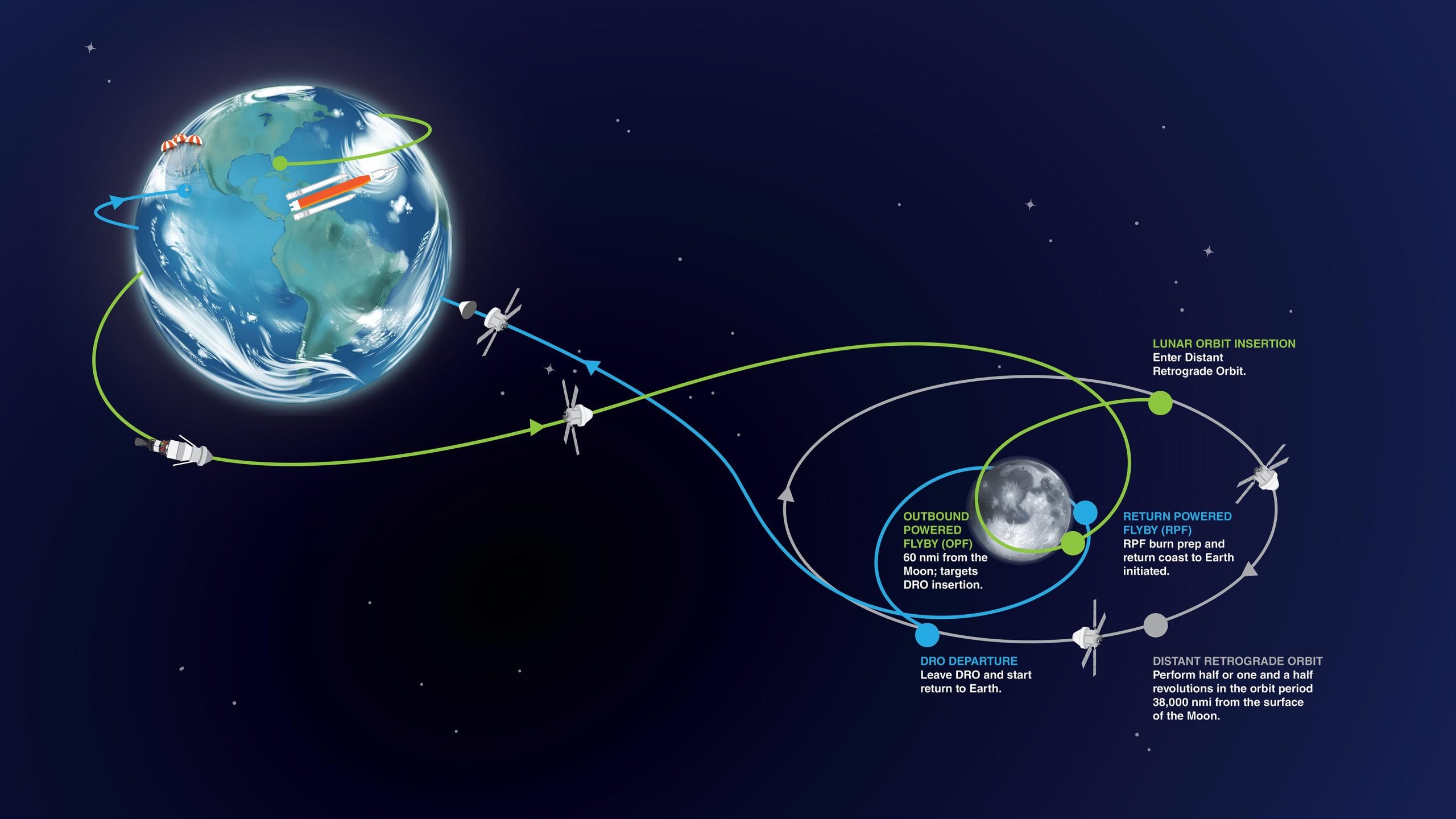
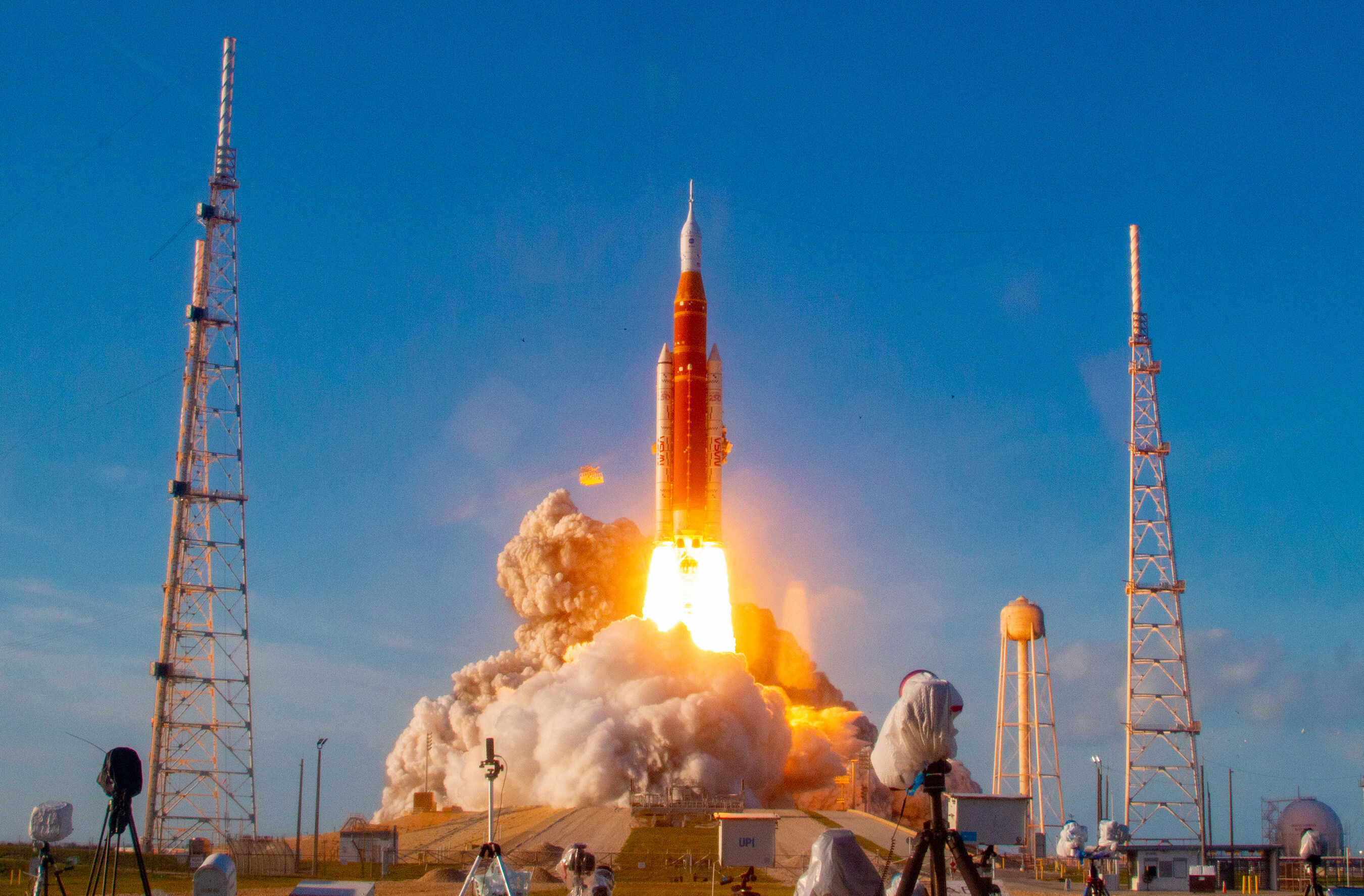
Fast forward to today, and NASA’s Artemis Program is bringing humans back to the Moon—this time with better tech, more diversity, and significantly more cameras.
And ironically:
The same internet that doubted Apollo is now saying Artemis is fake too.
AI Just Entered the Chat
Here’s where things go from conspiracy to full-blown digital confusion
With tools like generative AI, deepfakes, and image manipulation:
- Fake “behind-the-scenes NASA studio footage” circulates online
- AI-generated “Moon anomalies” go viral
- Altered astronaut reflections and shadows fuel new theories
- Side-by-side “comparisons” (often fake) get millions of views
In other words:
The evidence pool is now polluted.
And the average person scrolling late at night is not running forensic analysis—they’re reacting in real time.
So… Could Both Be Fake?
Let’s entertain it for a second.
If both Apollo and Artemis were fake, it would require:
- Decades of coordinated global deception
- Participation (or silence) from multiple countries, scientists, engineers
- Independent tracking stations all lying or being fooled
- Physical evidence (moon rocks) somehow fabricated and verified globally
At that point, the conspiracy becomes harder to maintain than the truth.
Could Both Be Real?
This is actually the simplest explanation—and the one supported by overwhelming evidence.
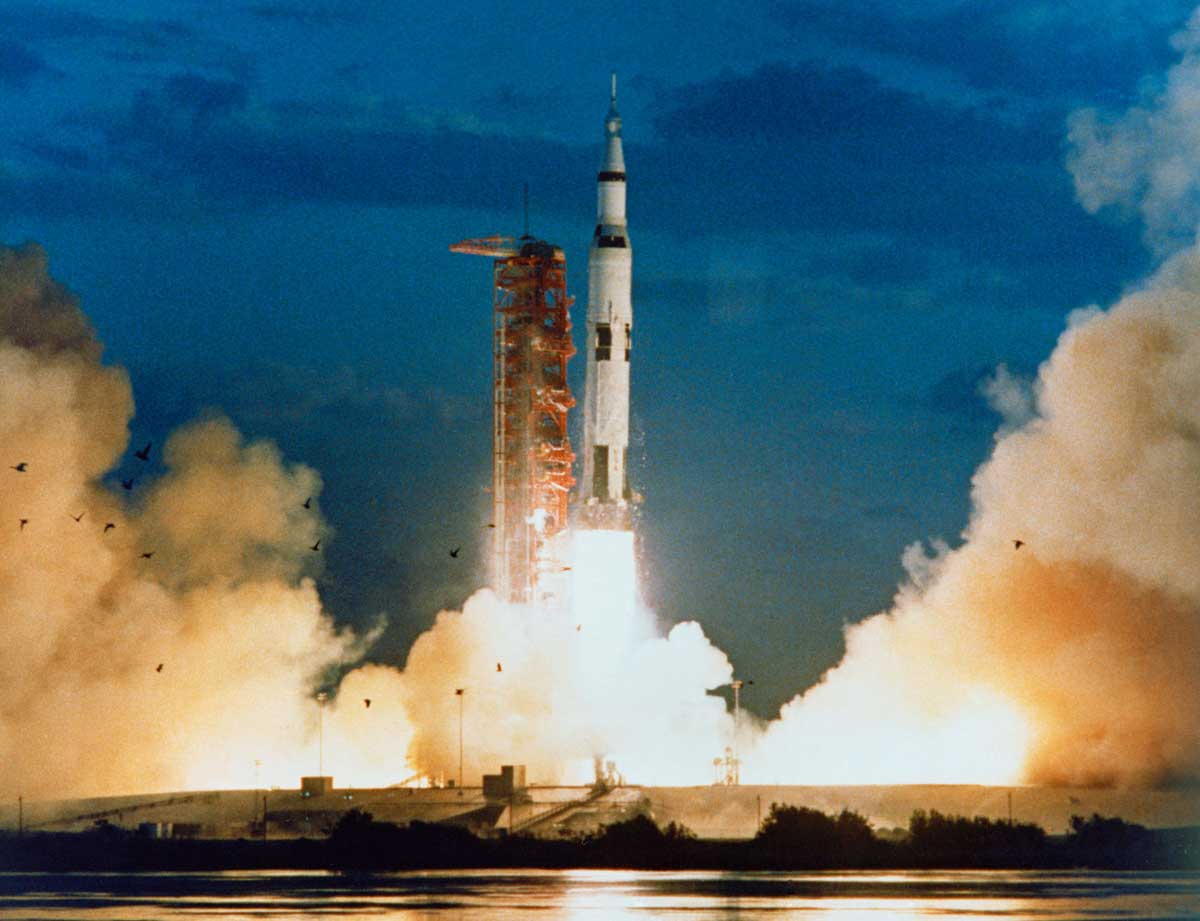
- Thousands of engineers worked on Apollo hardware
- Reflectors left on the Moon are still used today for laser experiments
- Artemis builds on decades of proven spaceflight technology
In short: Technology improved, not reality replaced.
The Real Story: Why People Want It to Be Fake
This is where it gets interesting.
Conspiracies around Apollo and Artemis are not just about science. They are about:
- Distrust in institutions
- The rise of “do your own research” culture
- Social media reward systems where viral beats verified
- The human desire to feel like you have uncovered a hidden truth
Sometimes it is simply more compelling to believe we are living in a plot twist.
Let’s Be Honest for a Second
If NASA faked the Moon landing in 1969:
They used:
- Less computing power than your smartwatch
- Film cameras
- Analog systems
Meanwhile, today we struggle to coordinate group chats.
And somehow they executed the most complex deception in human history without being exposed?
That would be one of the most impressive productions ever conceived.
What’s Real vs. What’s Not
Likely Real:
- Apollo missions landed humans on the Moon
- Artemis is actively preparing to return humans
- Moon rocks and reflectors exist and are studied globally
Likely Not Real:
- Kubrick secretly directing NASA
- Hidden studio footage proving fakery
- Viral AI “evidence” circulating without verification
Final Take: The Truth Isn’t as Viral as the Lie
Here is the uncomfortable truth:
Real science is slow, methodical, and sometimes unexciting.
Fake content is fast, emotional, and highly shareable.
And in the age of AI:
The line between the two is getting harder to see—not because reality changed, but because content got better at pretending.
Closing Thought
Whether you believe in Apollo, Artemis, both, or neither:
The bigger question might be:
Are we questioning the right things—or just the most entertaining ones?
Because while we debate shadows on the Moon, humanity is quietly preparing to go back.
And this time, there will be no shortage of cameras, livestreams, and skeptics watching every step.
About the Author