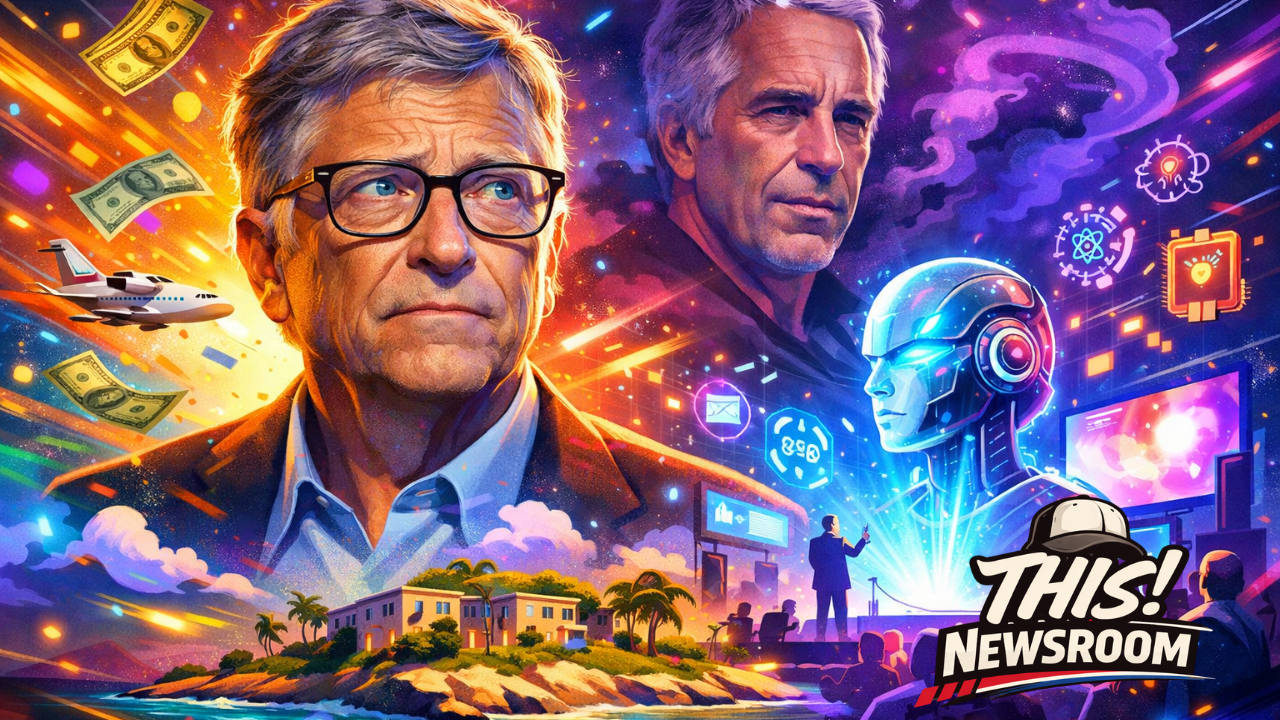
Bill Gates has canceled his keynote appearance at a major artificial intelligence summit, triggering fresh debate across the tech world. Organizers cited scheduling conflicts. However, the timing coincides with renewed public scrutiny over Gates’ past meetings with Jeffrey Epstein.
The cancellation quickly drew attention online. Critics questioned the decision. Supporters urged caution. As a result, the AI event now faces unexpected controversy.
Why Gates Withdrew From the AI Summit
Summit organizers confirmed that Gates would no longer deliver the headline address. He had planned to speak about artificial intelligence, healthcare innovation, and global education.
The event expected a large audience. Many attendees viewed Gates as a leading voice on responsible AI development. Therefore, his withdrawal shifted the spotlight.
Gates has spoken frequently about AI’s transformative power. He continues to advocate for ethical guardrails and global access to emerging technologies. Nevertheless, public perception plays a major role in high-profile events.
The Epstein Connection Resurfaces
Gates previously acknowledged meeting Jeffrey Epstein multiple times after Epstein’s 2008 conviction. Gates later described those meetings as a mistake.
He stated that discussions focused on philanthropy and global initiatives. However, critics continue to question his judgment. Although no evidence links Gates to criminal wrongdoing, the association remains controversial.
Each major public appearance reignites the conversation. Consequently, scrutiny often follows.
AI Leadership and Public Trust
Artificial intelligence now drives rapid change across healthcare, finance, education, and defense. Leaders in this space face intense examination.
Gates co-founded Microsoft and remains influential in global tech discussions. He frequently speaks about AI safety, regulation, and international cooperation. Yet leadership in 2026 demands more than innovation.
The public expects transparency. Investors expect accountability. Policymakers expect responsibility.
When ethical questions emerge, even indirectly, they shape public trust. That reality affects conferences, partnerships, and keynote invitations.
Industry Reaction
Industry response has split. Some insiders view the cancellation as strategic. They believe Gates wanted to avoid overshadowing the summit’s AI focus.
Others argue the decision reflects ongoing reputational challenges. They note that scrutiny can distract from technological progress.
Meanwhile, the summit will proceed without him. Researchers, founders, and policymakers will still debate AI’s future. Panels will focus on innovation, regulation, and global competitiveness.
The Bigger Picture
This situation highlights a broader issue. Technology leadership now intersects directly with personal accountability.
Artificial intelligence stands at the center of economic transformation. However, public confidence determines how fast that transformation unfolds.
Gates remains one of the most recognizable figures in technology and philanthropy. Yet the renewed scrutiny shows how past decisions can resurface at pivotal moments.
In today’s climate, leadership extends beyond code and capital. It requires trust.
About the Author