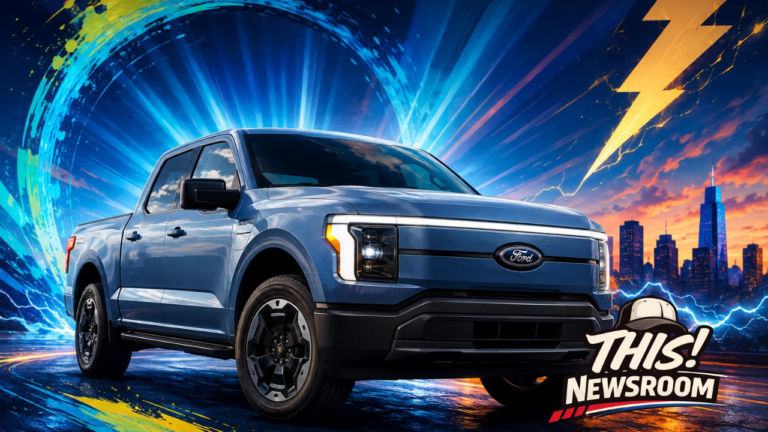
Cars have never been just transportation to me. They are emotional, mechanical, and deeply personal. Car culture is about sound, feel, history, and connection. It’s about engines that breathe, steering wheels that talk back, and machines that make you feel something every time you drive.
That is exactly why the electric vehicle conversation matters so much right now. As EVs are pushed as the inevitable future, we are quietly losing what made driving meaningful in the first place. This article breaks down why I love cars, why electric vehicles—especially Teslas—fail to deliver the same experience, and why EVs are not nearly as environmentally friendly as they are marketed to be.
Cars Are an Experience, Not a Utility
From fast cars and sports cars to luxury vehicles and vintage classics, cars have always represented freedom and individuality. Driving isn’t passive. It’s immersive. You hear the engine, feel the road, and sense the mechanical relationship between man and machine.
Great cars are alive. They have personality. They demand attention.
That experience is at the heart of car culture—and it’s something electric vehicles fundamentally remove.
Loud Cars, Big Builds, and Automotive Identity
Some of the most loved vehicles are wildly impractical. Lifted Jeeps, aggressive builds, and loud exhausts aren’t about efficiency. They’re about identity.
A big, obnoxious vehicle doesn’t try to justify itself. It doesn’t claim moral superiority. It exists because driving should be enjoyable. These vehicles don’t whisper—they announce themselves.
That honesty is refreshing.
Luxury and Vintage Cars Understand Presence
Luxury cars and vintage vehicles share something EVs lack: presence.
There’s craftsmanship, heritage, and intention behind every detail. You turn a key, an engine fires, and something wakes up. The sound, vibration, and feedback create a driving experience that engages your senses.
Electric vehicles replace that engagement with silence and screens.
The Electric Vehicle Shift—and the Tesla Effect
Electric vehicles have become the centerpiece of modern automotive marketing, and no brand symbolizes this shift more than Tesla.
I have family and friends who own Teslas. I’ve driven them. I’ve listened to the arguments. And despite all of that, my opinion hasn’t changed.
Electric cars don’t move me—literally or emotionally.
Why Teslas and EVs Remove the Joy of Driving
Electric vehicles eliminate the sensory elements that define driving:
- No engine sound
- No gear changes
- No mechanical buildup
- No emotional payoff
Yes, EVs accelerate quickly. But speed without sound is hollow. It’s impressive for a moment and forgettable shortly after. Driving becomes transactional instead of experiential.
Cars should engage you, not numb you.
Are Electric Vehicles Really Better for the Environment?
One of the most common claims surrounding electric vehicles is that they are better for the environment. This argument falls apart when you examine the full lifecycle of an EV.
Battery Mining and Environmental Damage
Electric vehicle batteries require lithium, cobalt, nickel, and rare earth minerals. Mining these materials:
- Destroys ecosystems
- Uses massive amounts of water
- Creates toxic waste runoff
- Often involves unethical labor practices
EVs do not eliminate environmental harm—they export it.
EV Manufacturing Creates Higher Emissions
Manufacturing an electric vehicle, especially the battery, produces significantly more carbon emissions than building a gas-powered car. In many cases, it takes years of driving before an EV offsets the emissions generated during production.
This assumes long battery life and proper recycling—both of which are far from guaranteed.
The Electric Grid Is Not Clean
Most electric vehicles are charged using electricity generated by coal, natural gas, or oil. Unless charging exclusively from renewable sources, EVs are still dependent on fossil fuels.
The emissions simply happen somewhere else.
Battery Disposal and Recycling Issues
EV batteries are heavy, toxic, and difficult to recycle. Many end up in landfills or are shipped overseas, creating long-term environmental risks. Unlike internal combustion engines, batteries cannot be easily rebuilt or reused.
EVs as Political and Cultural Symbols
For years, Teslas became rolling political statements. Driving one signaled progress, environmental awareness, and cultural alignment—especially on the left.
That narrative changed quickly when Elon Musk openly aligned with MAGA politics, DOGE culture, and free-speech absolutism.
Suddenly, many EV owners were forced to confront an uncomfortable truth: corporations do not care about your politics.
The car didn’t change. Only the narrative did.
The Tesla Bumper Sticker That Says It All
Recently, I saw a Tesla with a bumper sticker that read: “Anti-Elon Musk Tesla Club.”
It perfectly captured the contradiction. Driving the product while rejecting the creator. Hoping a bumper sticker resolves a moral conflict created by brand loyalty.
It doesn’t.
EV Owners and Moral Superiority Culture
Electric vehicles have become the automotive equivalent of virtue signaling. EV owners often don’t just drive electric—they preach it.
You’re told it’s better. You’re told you’ll come around. You’re told you just don’t understand yet.
But cars do not need to be moral lectures. Driving should be joyful, not ideological.
This Is Not Anti-Technology—It’s Anti-Soulless Design
This isn’t about rejecting progress. It’s about rejecting soulless solutions disguised as innovation.
Cars weren’t broken. They didn’t need to be fixed this way. True innovation enhances human experience instead of removing it.
Final Thoughts on Cars vs. Electric Vehicles
I love fast cars, loud cars, luxury cars, vintage cars, and big, unnecessary builds that exist purely for enjoyment.
Electric vehicles don’t offer that same connection—and they aren’t the environmental miracle they’re marketed to be.
You’re free to drive one. Believe in it. Support it.
But I’ll be over here listening to an engine breathe, feeling the road, and enjoying the drive.
Some things aren’t meant to be optimized.
Some things are meant to be felt.
About the Author