Krish Dhokia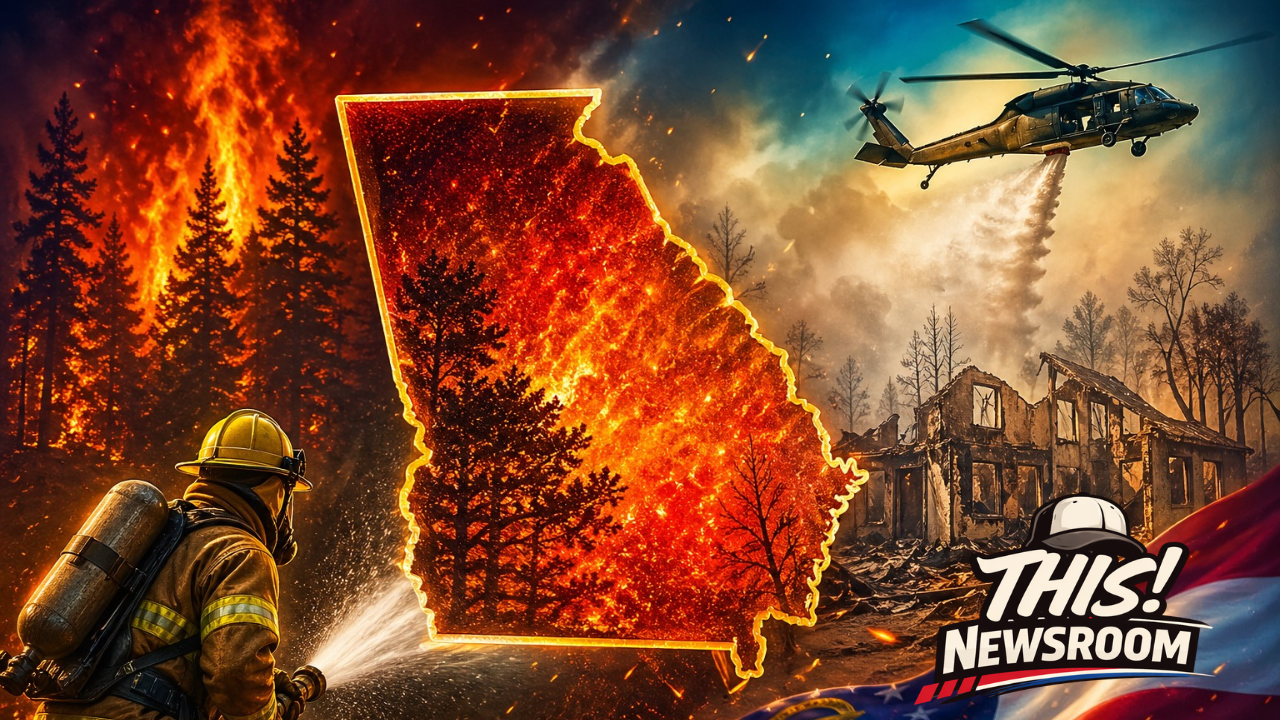
Georgia Wildfires Destroy 120 Homes as State of Emergency Declared
Brian Kemp has declared a statewide emergency after devastating wildfires tore through parts of Georgia, destroying more than 120 homes and forcing hundreds of residents to evacuate. The fast-moving fires, fueled by dry conditions and strong winds, have quickly become one of the most destructive wildfire events the state has faced in recent years.
A Rapidly Escalating Crisis


7
The wildfires began spreading earlier this week across multiple counties, catching many communities off guard. Firefighters have struggled to contain the blazes as shifting winds push flames closer to residential areas.
Officials report that:
- Over 120 homes have been destroyed
- Thousands of acres of land have burned
- Hundreds of families have been displaced
Emergency crews from across the region have mobilized to assist local fire departments, working around the clock to establish containment lines and protect remaining structures.
State of Emergency and Response Efforts
Governor Kemp’s emergency declaration unlocks critical resources, including:
- Deployment of the Georgia National Guard
- Emergency funding for affected communities
- Expanded evacuation coordination and shelter support
“This is a dangerous and evolving situation,” Kemp said in a public statement, urging residents to follow evacuation orders and prioritize safety.
Local authorities have set up temporary shelters for displaced families, while utility crews work to restore power in impacted areas.
Why the Fires Spread So Quickly


Experts point to a combination of environmental factors that created ideal wildfire conditions:
- Prolonged dry weather and low humidity
- High winds accelerating fire spread
- Dense vegetation acting as fuel
While wildfires are more common in western states, recent years have seen an increase in severe fire activity across the Southeast, raising concerns about preparedness and long-term climate patterns.
Communities Left Picking Up the Pieces
The human toll continues to grow as families return to find homes reduced to ashes. Many residents escaped with little more than the clothes they were wearing.
Relief organizations are stepping in to provide:
- Emergency housing
- Food and water supplies
- Financial assistance for rebuilding
Local leaders have emphasized the need for long-term recovery planning, as rebuilding efforts could take months—or even years.
What Happens Next
Fire crews remain focused on containment, but officials warn that the situation could worsen if weather conditions do not improve. Additional evacuations remain possible.
Residents are urged to:
- Monitor local emergency alerts
- Avoid affected areas
- Follow all evacuation orders immediately
As Georgia faces this unfolding disaster, the priority remains clear: protect lives first, then begin the long road to recovery.
Final Thoughts
This wildfire outbreak serves as a stark reminder that no region is immune to extreme weather events. As flames continue to burn, the resilience of Georgia communities—and the speed of emergency response—will determine how quickly the state can recover from this crisis.
About the Author