LinkedIn Wants To Limit the Reach of AI-Generated Content
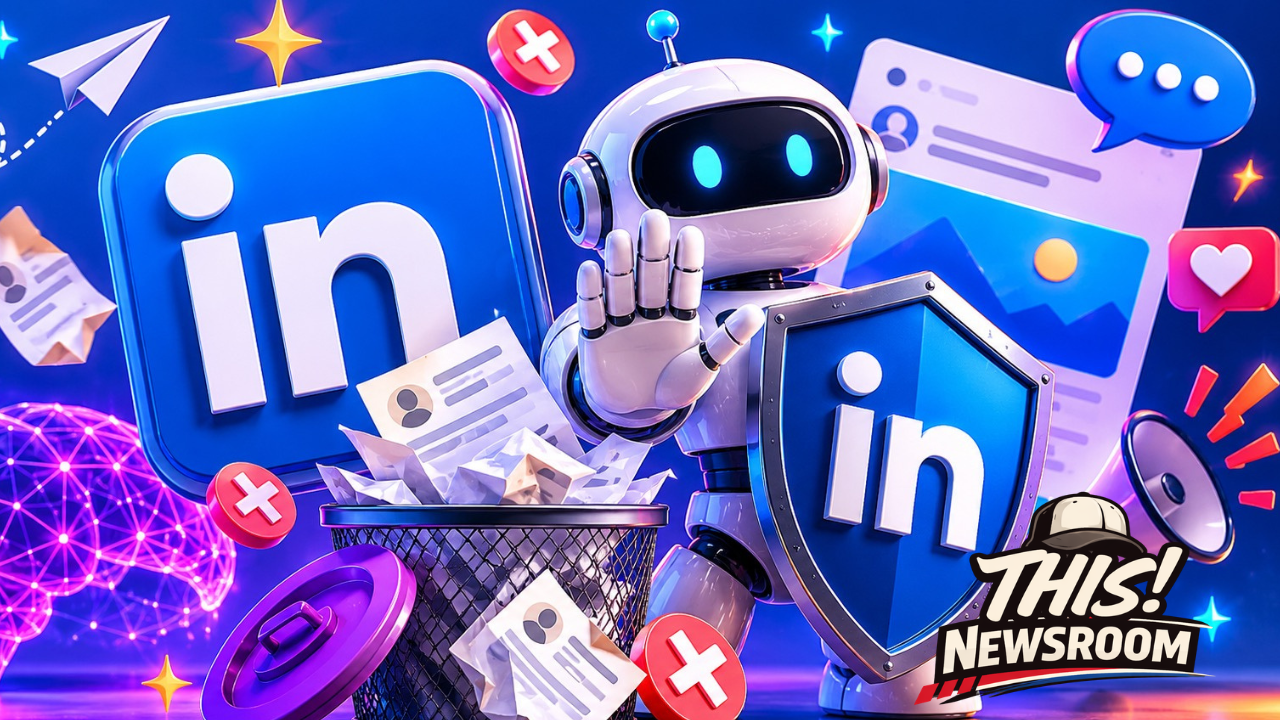
LinkedIn is trying to clean up its platform as AI-generated posts continue flooding professional feeds. The company is now taking steps to reduce the visibility of low-quality AI content while still expanding AI-powered tools for creators, recruiters, and businesses.
The move highlights a growing problem across social media platforms: “AI slop.” The phrase refers to generic, repetitive, or overly polished content generated with artificial intelligence that often lacks originality, expertise, or human perspective.
LinkedIn executives say the platform still believes AI can improve productivity and help users communicate more effectively. However, the company also acknowledges that too much AI-generated content can damage trust and reduce meaningful engagement.
LinkedIn’s Balancing Act With AI
LinkedIn has spent the last two years aggressively integrating AI features into its ecosystem. Users can already use AI to:
- Draft posts
- Improve resumes
- Write job descriptions
- Generate profile summaries
- Create outreach messages
- Build learning recommendations
At the same time, the platform has become crowded with robotic motivational posts, recycled leadership advice, and generic AI-written commentary.
That shift has frustrated many professionals who originally used LinkedIn for authentic networking and industry expertise.
Now, LinkedIn appears ready to push back.
According to reports, the company is adjusting its recommendation systems to prioritize content that demonstrates original thought, personal experience, and authentic engagement over mass-produced AI text.
AI Content Isn’t Going Away
Despite the crackdown on spammy content, LinkedIn is not abandoning AI. In fact, the company continues investing heavily in the technology through its parent company, Microsoft.
Microsoft’s partnership with OpenAI has accelerated AI adoption across products like Word, Outlook, Teams, and LinkedIn.
LinkedIn executives believe AI should serve as a productivity assistant instead of replacing human creativity entirely.
The company reportedly wants users to enhance their ideas with AI rather than fully automate their online presence.
That distinction matters because engagement data increasingly shows users prefer real stories, opinions, and experiences over perfectly polished AI-generated text.
Why “AI Slop” Has Become a Major Problem
The rise of generative AI tools made it incredibly easy for anyone to create dozens of posts in seconds. As a result, social platforms have seen an explosion of repetitive content.
Many LinkedIn users complain their feeds now include:
- Generic leadership advice
- Fake personal stories
- Overly formatted viral posts
- AI-generated comments
- Copy-and-paste motivational threads
Some creators also use automation tools to mass-produce engagement bait designed purely for impressions.
That trend threatens LinkedIn’s identity as a professional network built on expertise and credibility.
If users stop trusting what they read, overall engagement could decline.
Platforms Across Tech Face the Same Challenge
LinkedIn is not alone.
Platforms like YouTube, Meta, and Google are all trying to determine how AI-generated content should appear in recommendation systems.
Some platforms have introduced labels for AI-generated media. Others are tweaking algorithms to reward originality and penalize spam-like behavior.
The broader tech industry now faces a difficult balancing act:
- Encourage innovation with AI
- Prevent low-quality content overload
- Preserve trust and authenticity
LinkedIn’s latest strategy may become a model for other professional and social platforms navigating the same issue.
The Future of Content on LinkedIn
The company’s changes suggest the future of LinkedIn content may reward human insight more than volume.
Users who share real experiences, expert analysis, and thoughtful perspectives could gain more visibility than accounts relying heavily on automation.
AI tools will likely remain embedded across the platform. However, LinkedIn appears determined to ensure those tools support human voices instead of replacing them.
As AI-generated content becomes harder to distinguish from human writing, platforms may increasingly focus on behavioral signals, originality, and audience interaction to decide what deserves reach.
For creators, marketers, and professionals, the message is becoming clearer: authenticity may soon outperform automation.
About the Author