Krish Dhokia
Tesla Cybercab: Elon Musk’s $30K Self-Driving Car Could Launch by 2026
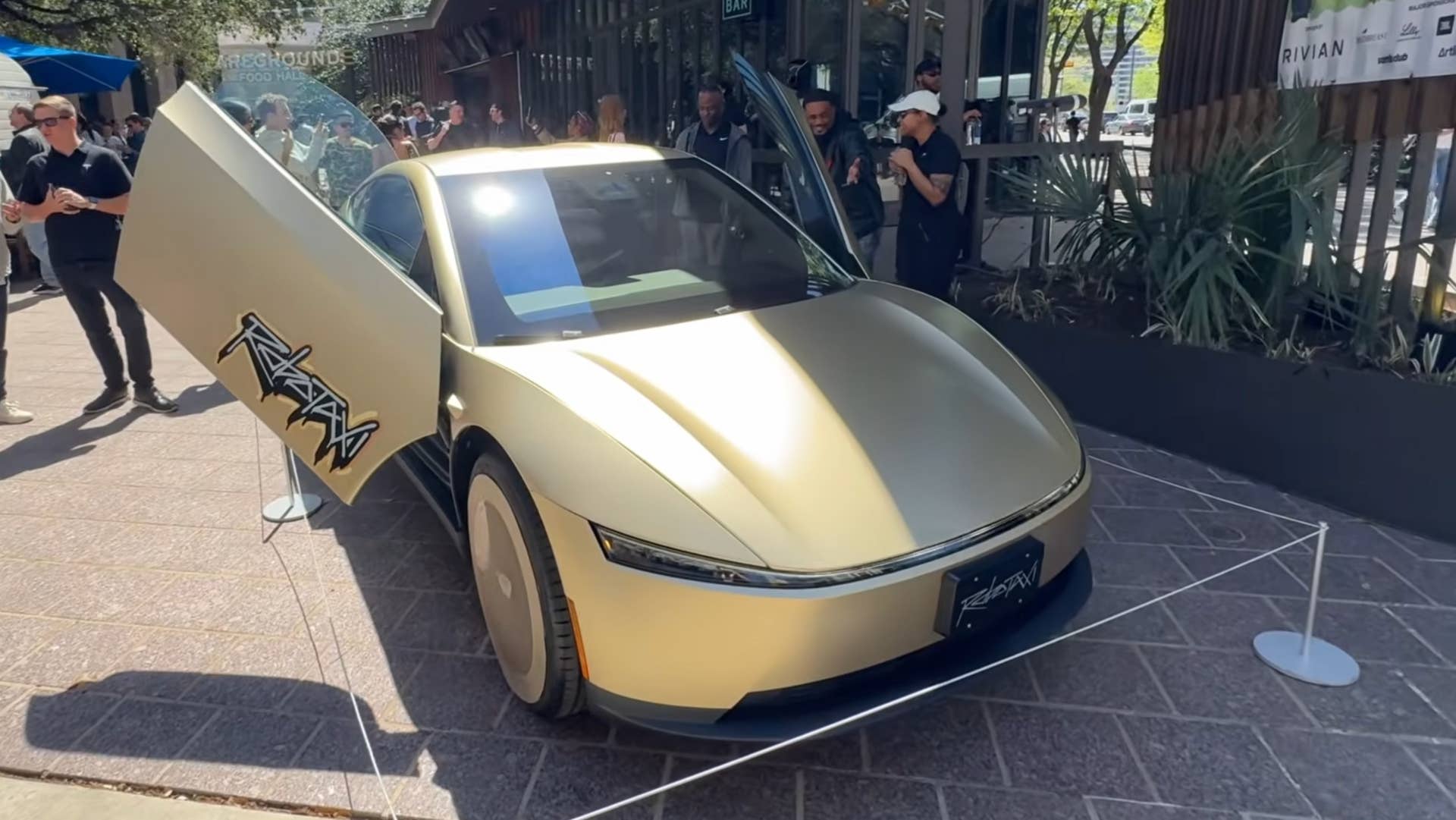
The future of transportation may be closer—and more affordable—than anyone expected. Elon Musk has once again ignited global conversation by announcing that Tesla plans to launch a fully autonomous “Cybercab” priced around $30,000, with availability targeted by the end of 2026.
If true, this isn’t just another vehicle launch. It’s a potential inflection point for how people move, commute, and even think about owning a car.
What Is the Cybercab?
The Cybercab is expected to be Tesla’s dedicated autonomous vehicle—built specifically for self-driving, rather than adapted from a traditional car model.
Unlike current Tesla vehicles equipped with Full Self-Driving (FSD), the Cybercab is rumored to:
- Operate without a steering wheel or pedals
- Be optimized for AI-driven navigation only
- Feature a minimalist, passenger-first interior
- Integrate directly into Tesla’s future robotaxi network
In short, this isn’t just a car—it’s a product designed for a world where driving is optional.
Why $30,000 Changes Everything
The price point may be the most disruptive part of this announcement.
Until now, autonomous vehicle technology has been:
- Expensive
- Limited to testing fleets
- Restricted to controlled environments
A $30K fully autonomous vehicle would:
- Undercut many traditional gas-powered cars
- Compete directly with mid-range EVs
- Make robotaxi ownership accessible to everyday consumers
This could unlock a completely new economic model—where individuals buy Cybercabs not just for personal use, but as income-generating assets in Tesla’s ride-hailing ecosystem.
The Robotaxi Vision
Tesla’s long-term strategy has always extended beyond car ownership.
Musk has repeatedly described a future where:
- Your Tesla drives itself while you’re at work
- It picks up passengers and generates revenue
- You essentially own a self-driving business on wheels
If the Cybercab delivers on its promise, it could finally bring that vision to life.
This would put Tesla in direct competition not just with automakers—but with companies like:
- Uber
- Lyft
And potentially disrupt both.
The Biggest Question: Can Tesla Deliver?
While the concept is compelling, skepticism remains—and for good reason.
Tesla’s Full Self-Driving system is still:
- Not fully autonomous
- Under regulatory scrutiny
- Dependent on evolving AI models
Launching a fully driverless vehicle at scale by 2026 requires solving:
- Complex edge-case driving scenarios
- Safety validation across millions of miles
- Regulatory approval across multiple regions
In other words, this is not just a product challenge—it’s a technological and legal one.
What This Means for the Industry
If Tesla succeeds, the ripple effects will be massive:
1. Car Ownership Will Change
People may stop buying cars for driving—and start buying them for utility and income.
2. Urban Transportation Will Evolve
Cities could see fewer parked cars and more constantly moving autonomous fleets.
3. Jobs Will Shift
Driving-related roles—from rideshare to delivery—could face significant disruption.
4. EV Adoption Will Accelerate
A $30K autonomous EV could fast-track the transition away from gas-powered vehicles.
The Bottom Line
The Cybercab isn’t just another Tesla announcement—it’s a high-stakes bet on the future of mobility.
If Tesla can deliver a truly autonomous vehicle at a mass-market price, it could redefine transportation as we know it.
But if timelines slip or technology falls short, it risks becoming another ambitious promise that arrives later than expected—or differently than imagined.
Either way, one thing is certain:
The race toward autonomous transportation just got a lot more interesting.
About the Author