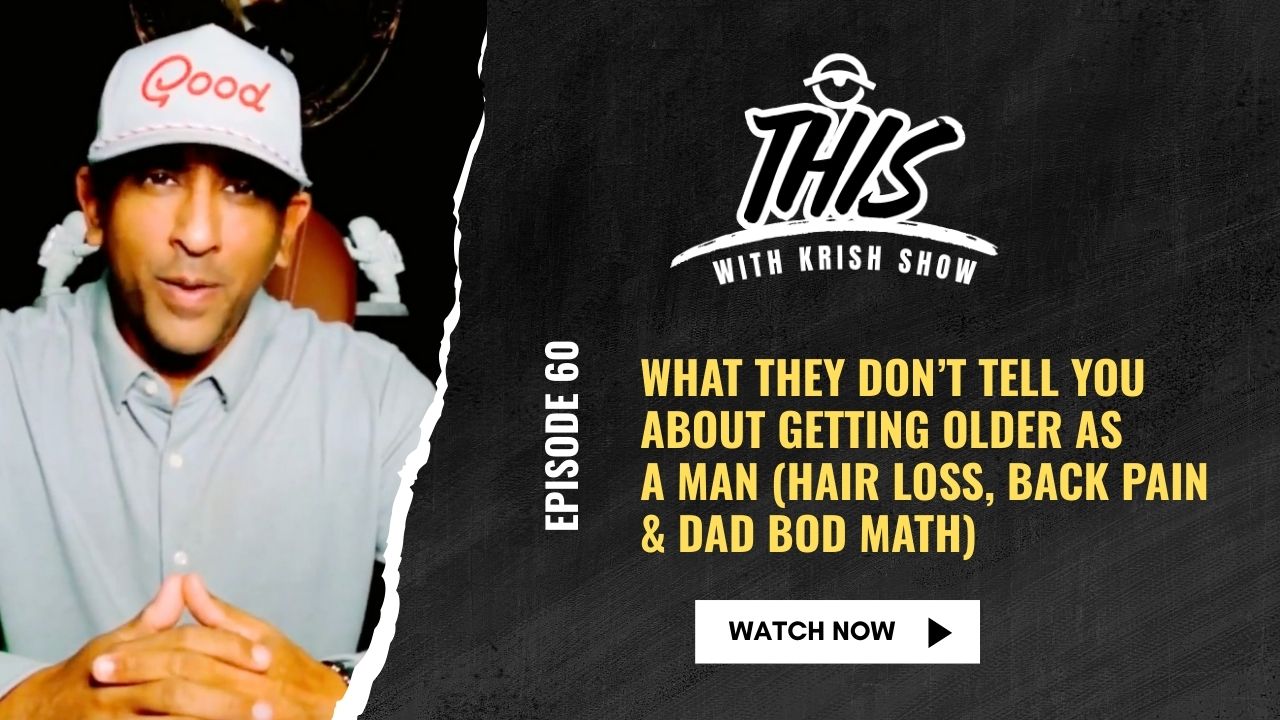
Aging is inevitable. Yet for many men, the physical, mental, and emotional changes that come with getting older arrive with little warning and even less honest conversation. While society often frames male aging as either a joke or a badge of honor, the reality is more complex—and far more manageable when understood properly.
This article breaks down what actually happens as men age, why these changes occur, and what can be done to maintain health, confidence, and quality of life well into later decades.
How Aging Affects the Male Body
1. Testosterone Decline and Hormonal Shifts
Testosterone levels in men typically peak in their late teens or early twenties. Starting around age 30, levels decline gradually—about 1% per year on average. While this decrease is natural, it can affect:
- Energy levels
- Muscle mass
- Fat distribution
- Mood and motivation
- Libido
Low testosterone does not automatically require treatment, but persistent symptoms should be evaluated by a physician. According to Mayo Clinic, lifestyle changes such as resistance training, adequate sleep, and proper nutrition can often mitigate mild symptoms without medical intervention.
2. Metabolism Slows—But It’s Not Hopeless
One of the most common frustrations men experience with aging is weight gain, particularly around the midsection. This is largely due to:
- Reduced muscle mass
- Hormonal changes
- Lower overall activity levels
Muscle burns more calories than fat, and as muscle mass declines, the body’s caloric needs decrease. The solution is not extreme dieting, but rather:
- Strength training 2–3 times per week
- Higher protein intake
- Fewer ultra-processed carbohydrates
The National Institute on Aging emphasizes that maintaining muscle mass is one of the most effective ways to preserve metabolic health as men age.
3. Hair Loss: Genetics, Hormones, and Reality
Male pattern baldness affects roughly two-thirds of men by age 35. The primary driver is dihydrotestosterone (DHT), a hormone derived from testosterone that shrinks hair follicles over time.
While hair loss is largely genetic, modern options include:
- FDA-approved medications
- Topical treatments
- Hair transplantation
- Embracing a shaved or cropped style
According to the American Academy of Dermatology, early intervention produces the best results—but acceptance is also a valid and healthy choice.
Joint Pain, Back Pain, and the “Random Injury” Phase
Why Pain Appears Without Warning
As men age, connective tissues lose elasticity and spinal discs naturally dehydrate. This can lead to:
- Lower back pain
- Knee stiffness
- Shoulder impingement
- Reduced mobility
What surprises many men is that pain no longer requires trauma. Sleeping in the wrong position, sitting too long, or skipping warm-ups can now result in days of discomfort.
The Cleveland Clinic notes that consistent mobility work, core strengthening, and posture correction are essential for injury prevention after age 35.
Energy Levels and Sleep Quality
Why Fatigue Feels Different With Age
Fatigue in younger years is often situational. As men age, fatigue becomes cumulative. Factors include:
- Reduced deep sleep
- Hormonal shifts
- Increased mental load and responsibility
Sleep quality—not just duration—becomes critical. Experts recommend:
- 7–9 hours of consistent sleep
- Limiting alcohol intake
- Reducing screen exposure before bed
According to the Sleep Foundation, disrupted sleep is strongly correlated with weight gain, mood disorders, and cardiovascular risk in middle-aged men.
Mental Health, Stress, and Identity Shifts
The Emotional Side of Male Aging
Men often experience aging as a psychological adjustment as much as a physical one. Career plateaus, shifting family roles, and changing priorities can contribute to stress, anxiety, or quiet dissatisfaction.
Importantly, men are less likely than women to seek mental health support. However, research from the National Alliance on Mental Illness shows that early intervention significantly improves long-term mental well-being.
Healthy aging includes:
- Social connection
- Purposeful activity
- Faith or spiritual grounding
- Open conversations about mental health
What Aging Actually Gets Right
Despite the challenges, aging offers benefits that are rarely acknowledged:
- Greater emotional regulation
- Clearer priorities
- Reduced need for external validation
- Improved decision-making
Studies consistently show that life satisfaction often increases in later adulthood, especially for men who maintain strong relationships and a sense of purpose.
Practical Steps for Aging Well as a Man
To age with strength and confidence:
- Prioritize resistance training and mobility
- Eat protein-forward, whole-food diets
- Schedule annual physicals and blood work
- Address mental health proactively
- Invest in sleep quality
- Build routines, not extremes
Aging is not something to fight—it’s something to manage intelligently.
Final Thoughts
What men are rarely told is that aging does not mean decline—it means responsibility. Responsibility for health, habits, mindset, and long-term well-being.
The sooner men understand what’s happening to their bodies and minds, the sooner they can take control of how they age. Knowledge doesn’t just reduce frustration—it restores confidence.
And that may be the most important part of all.
About the Author