NFL Faces Government Pressure Over Rising Streaming Costs and Game Access
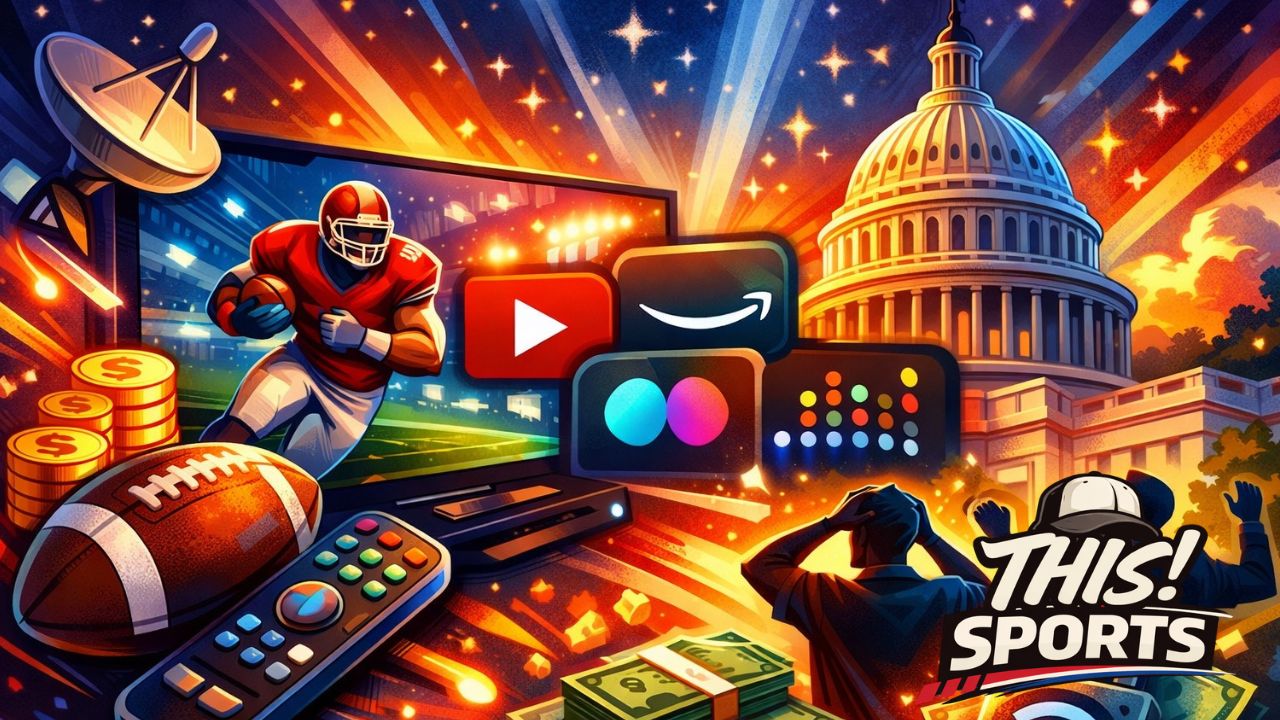
The National Football League is facing growing pressure from lawmakers in Washington as concerns mount over rising costs and limited access to live games for everyday fans. What was once simple—turning on a Sunday game with a basic cable package—has now become a fragmented, expensive experience spread across multiple streaming platforms.
The Breaking Point for Fans
Over the past few seasons, the NFL has aggressively expanded its media rights strategy. Games now air across traditional broadcasters and a growing list of streaming platforms, including exclusive matchups on services like Amazon and Peacock.
While this strategy has driven billions in revenue for the league, it has also created frustration among fans. To watch a full slate of games, viewers may now need subscriptions to multiple services—often totaling hundreds of dollars annually.
Lawmakers argue that this shift effectively “paywalls” America’s most popular sport.
Congress Steps In
Members of United States Congress have begun raising concerns about whether the NFL’s distribution model is anti-consumer. Several officials are reportedly exploring hearings or regulatory reviews focused on:
- Exclusive streaming rights limiting free access
- Rising subscription costs tied to sports packages
- Potential antitrust implications of league-wide media deals
Some lawmakers have even suggested revisiting the NFL’s long-standing antitrust exemptions, which have historically allowed the league to negotiate massive, centralized broadcasting contracts.
Why the NFL Is Doing This
From a business perspective, the NFL’s strategy is clear: follow the money.
Streaming platforms are willing to pay a premium for exclusive content that drives subscriptions. Deals with companies like YouTube for NFL Sunday Ticket and Amazon for Thursday Night Football have reshaped how the league monetizes its product.
The result? Record-breaking media rights deals worth over $100 billion across the next decade.
However, that financial success is now colliding with public sentiment—and political attention.
The Consumer Impact
For fans, the experience has become increasingly complicated:
- Games split across cable, local channels, and multiple streaming apps
- Blackout restrictions still impacting certain regions
- Premium packages required for out-of-market games
This fragmentation disproportionately affects older viewers and lower-income households, many of whom relied on free or basic television access in the past.
What Could Happen Next
While no formal regulation has been passed yet, the pressure is building. Potential outcomes include:
- Congressional hearings targeting sports media rights
- Calls for more games to remain on free-to-air television
- Increased scrutiny of exclusive streaming deals
- Broader conversations about digital access and consumer fairness
The NFL, for its part, has defended its approach, arguing that it is simply adapting to modern viewing habits and expanding access through digital platforms.
The Bigger Picture
This debate goes beyond football. It reflects a larger shift happening across entertainment, where live sports—once universally accessible—are becoming premium, fragmented products.
The question now is simple:
Should America’s most popular sport remain widely accessible, or is it destined to become a luxury viewing experience?
As pressure from Washington grows, the NFL may soon have to answer.
About the Author