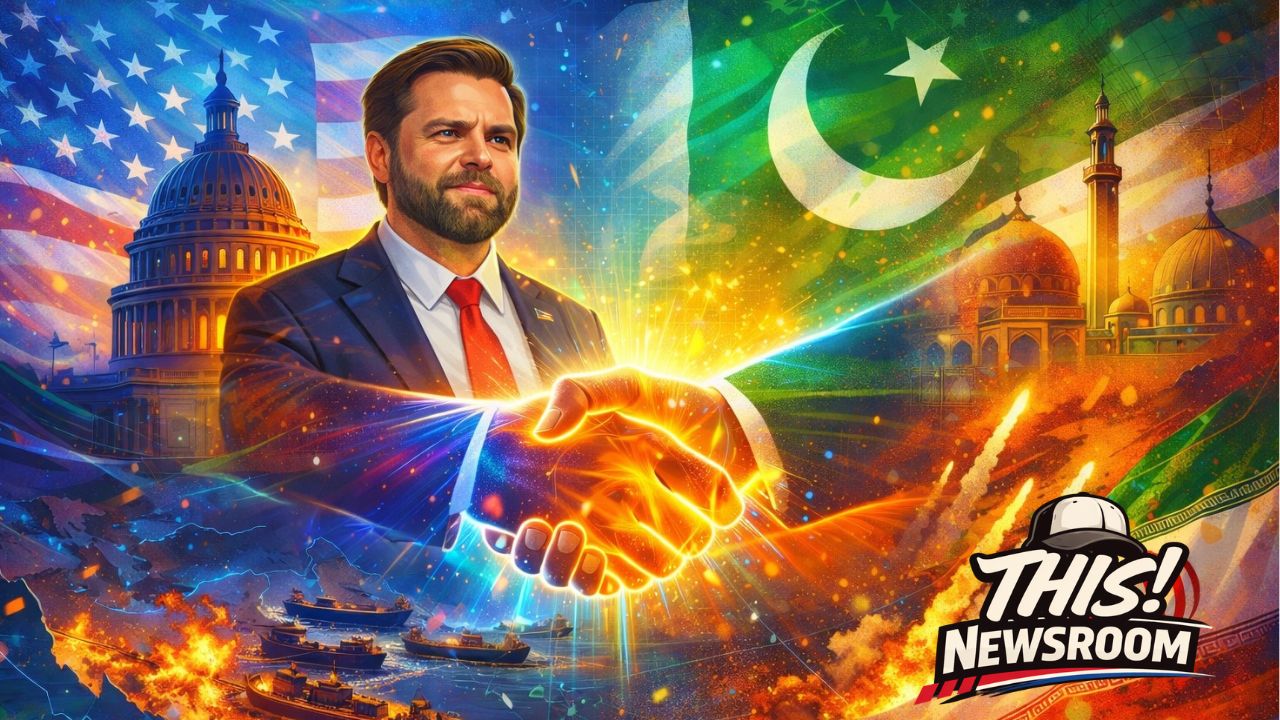
JD Vance Meets Pakistan PM Ahead of US-Iran Talks as War Escalates
The global spotlight is on JD Vance as he arrives in Pakistan for high-stakes peace talks with Iran—a diplomatic moment that could shape the future of an escalating regional conflict.
Ahead of negotiations, Vance met with Pakistan’s prime minister, signaling the country’s central role as a mediator in what may be the most important U.S.–Iran engagement in decades.
A Critical Diplomatic Moment
Pakistan has emerged as a key intermediary, hosting what are now known as the “Islamabad Talks.” These discussions aim to stabilize a fragile two-week ceasefire and potentially end a war that has rapidly expanded across the Middle East.
Pakistan’s ambassador expressed optimism, calling the talks a possible “one-step event” toward ending the war—a sign that regional players are pushing hard for de-escalation.
However, expectations remain cautious.
Vance’s Warning to Tehran
Despite diplomatic optimism, Vance struck a firm tone ahead of negotiations.
He warned Iran not to “try to play us,” making it clear that while the U.S. is open to dialogue, it will not tolerate delays, manipulation, or bad-faith negotiations.
The message reflects a dual strategy:
- Open hand for diplomacy
- Hard line on enforcement
This balance will likely define the tone of the talks moving forward.
Strait of Hormuz at a Standstill
One of the most urgent issues is the closure of the Strait of Hormuz, one of the world’s most critical oil shipping routes.
- Iran has effectively restricted or blocked passage
- Global energy markets are already feeling the impact
- Reopening the strait is a top priority for the U.S. and its allies
The blockade has become Iran’s strongest leverage point, disrupting global trade and raising economic pressure worldwide.
Lebanon Strikes Complicating Peace Efforts
At the same time, violence continues beyond Iran’s borders—especially in Lebanon, where conflict tied to Iranian-backed forces remains active.
- Israeli strikes have continued despite ceasefire efforts
- Disputes remain over whether Lebanon is included in the truce
- Iran insists Lebanon must be part of any broader agreement
This disagreement is a major sticking point and could derail negotiations if not addressed.
Rising Death Toll
The human cost of the conflict continues to climb.
- Nearly 2,000 people have been killed in Lebanon alone
- Thousands more have been injured
- Civilian casualties continue to rise with ongoing strikes
Across the broader conflict, casualties are significantly higher, with infrastructure damage and displacement adding to the crisis.
What’s at Stake
The stakes of these talks could not be higher.
Short-Term Goals:
- Stabilize the ceasefire
- Reopen the Strait of Hormuz
- Reduce active military engagement
Long-Term Goals:
- Establish a broader peace framework
- Address Iran’s nuclear program
- Rebuild regional stability
But deep mistrust remains on both sides, and negotiations are expected to be slow and fragile.
Final Take
This moment represents a rare window for diplomacy in a rapidly escalating conflict.
For JD Vance, the challenge is clear: turn cautious optimism into real progress—without being, in his words, “played.”
With the Strait of Hormuz stalled, violence continuing in Lebanon, and casualties rising, the world is watching closely.
Because what happens in Islamabad may determine whether this conflict cools—or spirals further out of control.
About the Author