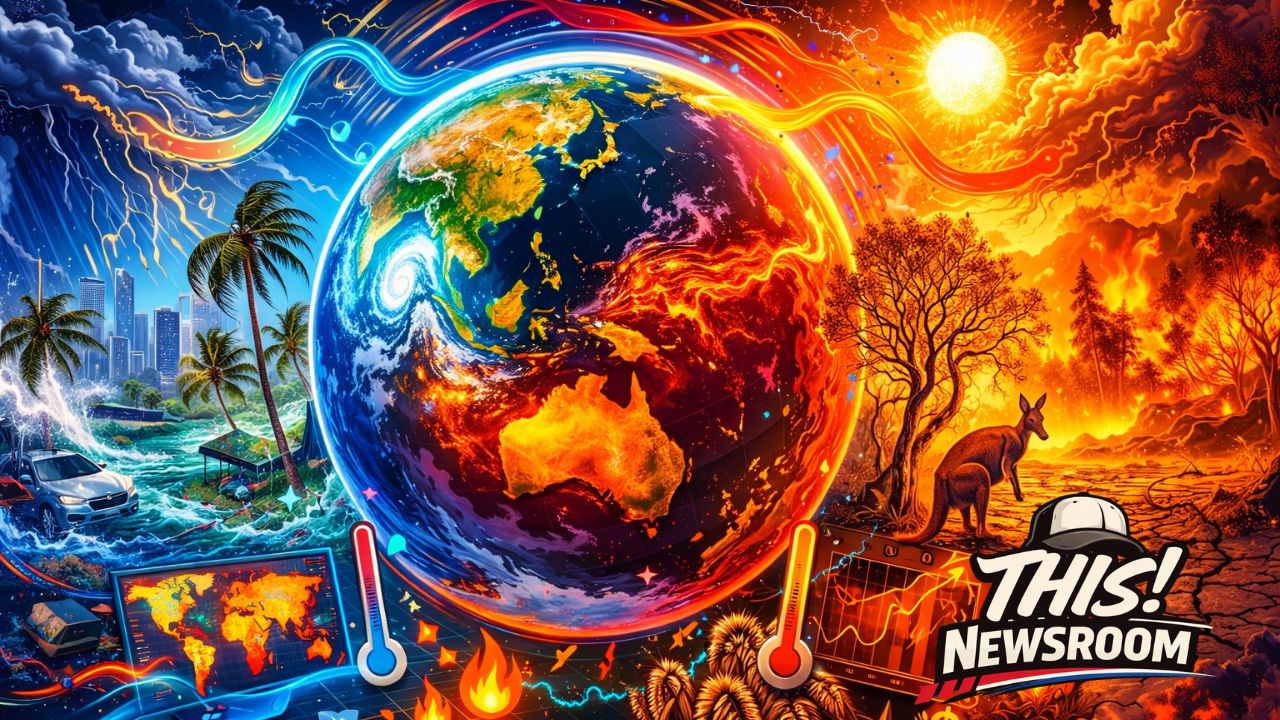
El Niño 2026: Rare Climate Event Could Reshape Global Weather

A powerful El Niño event is building—and scientists say it could rival or even exceed anything seen in over a century. While El Niño itself is not new, the intensity, timing, and global conditions surrounding this cycle have experts on edge. The result? A ripple effect that could reshape weather patterns, economies, and daily life across the globe.
Let’s break down what this means—especially here in the United States—and what to expect in the months ahead.
What Is El Niño—and Why This One Matters
At its core, El Niño is a warming of surface ocean temperatures in the central and eastern Pacific Ocean. That warming disrupts atmospheric patterns, shifting where storms form, where heat builds, and where drought takes hold.
But this year’s event stands out for three major reasons:
- Unusually warm ocean temperatures already in place
- Climate change amplifying extremes
- Historical comparisons pointing to rare intensity levels not seen in over 100 years
Scientists are calling it a “supercharged El Niño,” meaning its effects could be stronger, faster, and more unpredictable than typical cycles.
What to Expect in the United States
1. Wetter South, Stormier Coasts
For much of the southern United States—including Texas, California, and Florida—El Niño typically brings:
- Above-average rainfall
- Increased risk of flooding
- Stronger and more frequent storm systems
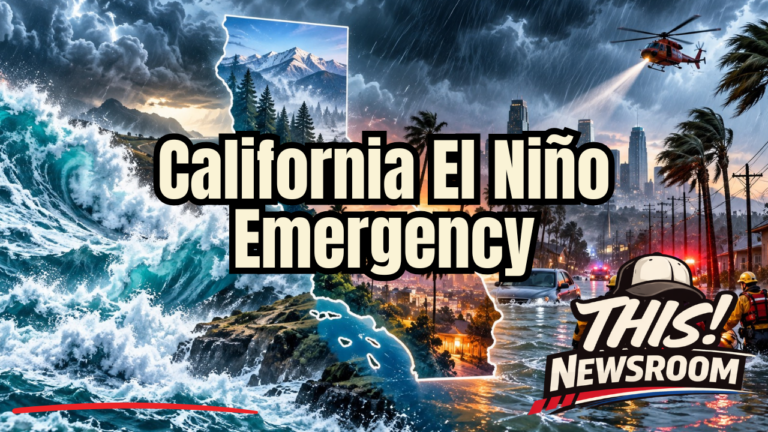
California, in particular, could see another round of intense winter storms, raising concerns about mudslides and infrastructure strain.
2. Milder Winters in the North
Northern states may experience:
- Warmer-than-normal temperatures
- Reduced snowfall in some regions
- Shorter, less intense winter seasons
While that may sound appealing, it can disrupt water supplies and winter-dependent economies like skiing and agriculture.
3. Tornado and Severe Weather Shifts
El Niño years often shift tornado activity eastward, increasing risks in parts of the Southeast and Midwest. Severe weather could become:
- Less predictable
- More concentrated in new regions
- More intense due to warmer atmospheric conditions
Global Impact: A Planet in Flux
1. Drought in Australia and Southeast Asia
While the U.S. braces for rain, countries like Australia and Indonesia could face:
- Severe drought conditions
- Increased risk of wildfires
- Disruptions to agriculture and water supply
2. Flooding in South America
Parts of South America—especially Peru and Ecuador—often see:
- Extreme rainfall
- Coastal flooding
- Infrastructure damage
This can trigger humanitarian challenges and economic strain in vulnerable regions.
3. Global Food and Energy Prices
El Niño doesn’t just impact weather—it hits your wallet:
- Crop yields decline in drought-stricken regions
- Supply chains tighten
- Energy demand spikes (cooling in some areas, heating in others)
The result: potential increases in food prices, insurance costs, and energy bills worldwide.
Why Experts Are Paying Attention
This El Niño is unfolding during a time of:
- Record global temperatures
- Rapid climate variability
- Increased population exposure to extreme weather
That combination makes it more than just a seasonal pattern—it’s a stress test for global infrastructure and resilience.
What You Should Watch Next
Over the coming months, keep an eye on:
- Pacific Ocean temperature trends
- NOAA and global climate forecasts
- Early signs of storm intensification or drought expansion
For families, businesses, and policymakers alike, preparation will be key.
The Bottom Line
El Niño has always shaped global weather—but this time feels different. With conditions aligning in a way not seen in over a century, the world may be entering a period of heightened climate volatility.
For the United States, that likely means more storms, more rain, and more unpredictability. Globally, the stakes are even higher, with droughts, floods, and economic ripple effects already beginning to take shape.
The question isn’t whether El Niño will impact us—it’s how prepared we are when it does.
About the Author