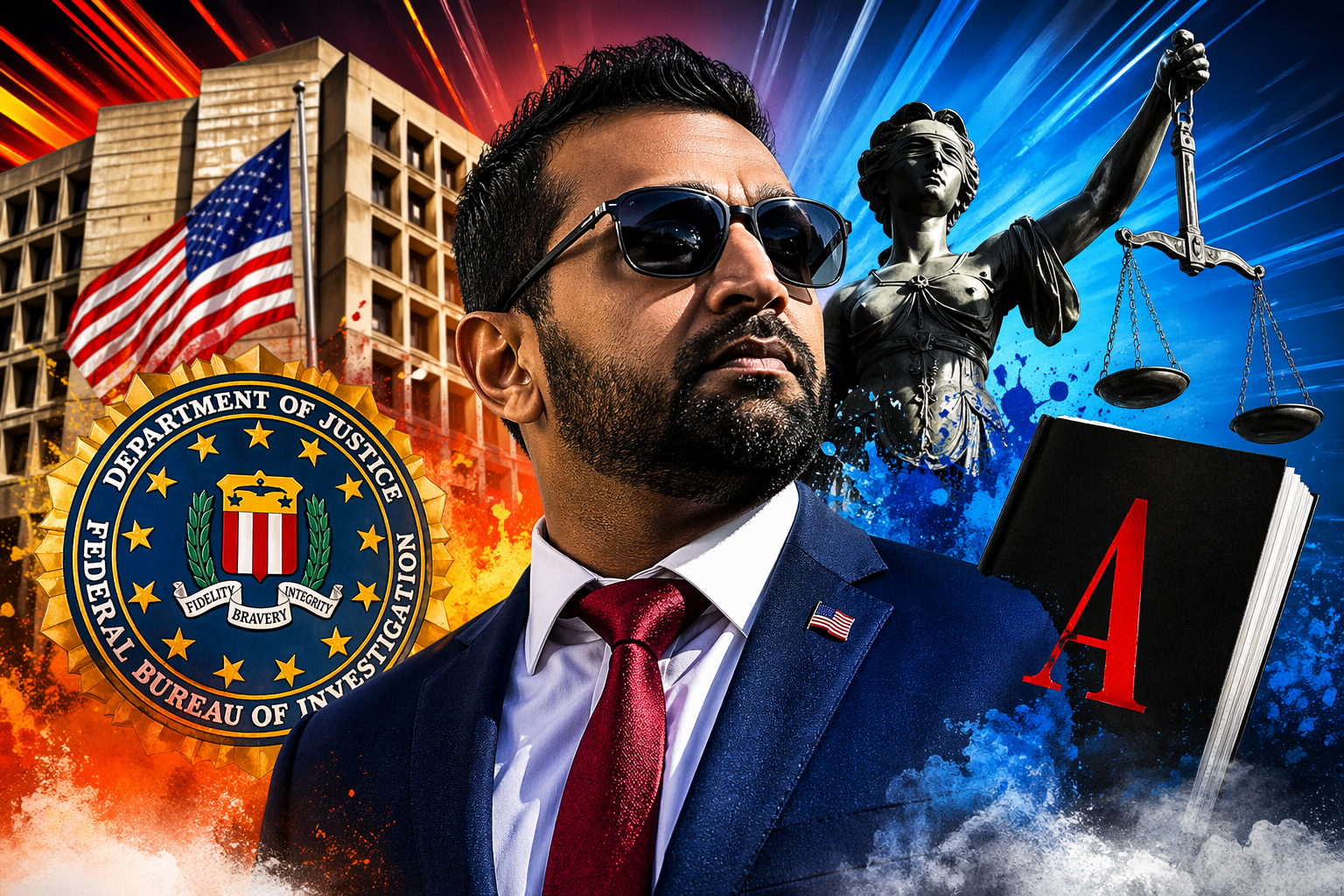
FBI Director Kash Patel Files $250M Defamation Lawsuit Against The Atlantic
In a legal battle that’s already sending shockwaves through media and political circles, Kash Patel, the current Director of the Federal Bureau of Investigation, has filed a $250 million defamation lawsuit against The Atlantic. The lawsuit marks one of the most high-profile media challenges in recent years—and could have significant implications for press freedom, political accountability, and the future of investigative journalism.
What Sparked the Lawsuit?
According to filings, Patel alleges that a recent article published by The Atlantic contained false and damaging claimsabout his conduct and professional actions. The report in question reportedly accused Patel of misconduct tied to his tenure in national security roles, including his time working in the Trump administration.
Patel’s legal team argues that the publication:
- Published unverified allegations as fact
- Acted with “reckless disregard for the truth”
- Caused “severe reputational and professional harm”
The complaint seeks $250 million in damages, citing lost opportunities, reputational damage, and emotional distress.
Patel’s Response
In a statement released shortly after the filing, Patel did not hold back:
“This lawsuit is about accountability. No media organization should be allowed to publish falsehoods without consequence.”
Patel has positioned the case as a stand against what he describes as biased and irresponsible reporting, framing it as part of a broader issue with legacy media outlets.
The Atlantic’s Position
While The Atlantic has not released a full formal response at the time of writing, sources close to the publication indicate that the outlet stands by its reporting and is prepared to defend the article vigorously in court.
Legal experts expect the magazine to rely heavily on First Amendment protections, particularly around:
- Freedom of the press
- Standards for proving “actual malice” in defamation cases involving public figures
Why This Case Matters
This lawsuit isn’t just about one article—it’s about the ongoing tension between powerful public officials and the media.
To win the case, Patel must meet the high legal threshold established in New York Times Co. v. Sullivan, proving that The Atlantic acted with actual malice—meaning they either knew the claims were false or showed reckless disregard for the truth.
That’s no easy task.
Key implications:
- For media outlets: Could reinforce—or challenge—the boundaries of investigative reporting
- For public officials: May signal a more aggressive legal stance against negative coverage
- For the public: Raises questions about trust, bias, and accountability in journalism
Bigger Picture: Media vs. Power
This lawsuit arrives at a time when tensions between government figures and media institutions are already high. From political campaigns to national security coverage, accusations of misinformation and bias are becoming more common—and more consequential.
Whether this case moves forward or gets dismissed early, it will likely become a benchmark moment in the evolving relationship between media and power in America.
What’s Next?
Legal analysts expect a lengthy court process, with early motions likely focused on dismissal attempts and First Amendment defenses. If the case proceeds, it could take years before reaching trial.
One thing is certain:
This is not just another lawsuit—it’s a high-stakes clash that could reshape how journalism and accountability intersect in the modern era.
About the Author