Live Nation Ruled a Monopoly by Jury: What It Means for Ticketmaster, Fans, and the Future of Concerts
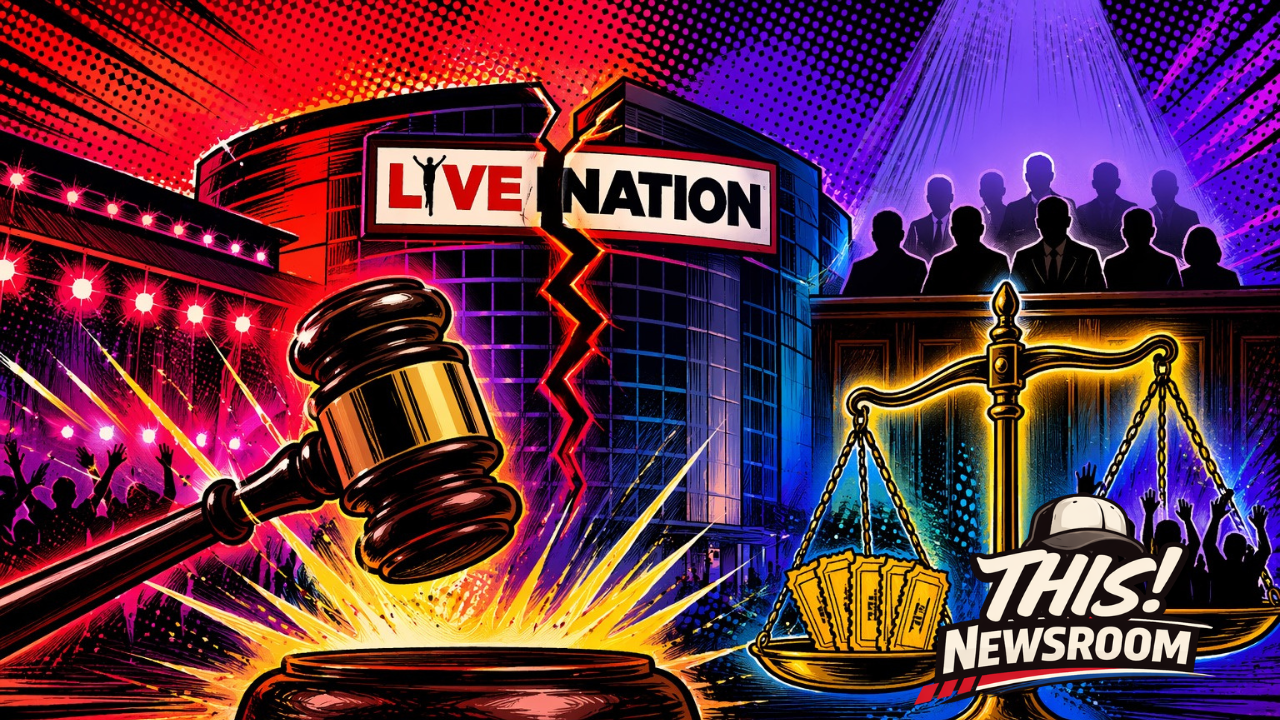
In a landmark decision that could reshape the entire live entertainment industry, a U.S. jury has ruled that Live Nation Entertainment operates as a monopoly—sending shockwaves through music, sports, and event markets nationwide.
For years, fans, artists, and lawmakers have debated whether one company had too much control over how live events are promoted, ticketed, and experienced. Now, that debate has officially turned into a legal reality.
The Verdict That Changes Everything
The jury found that Live Nation Entertainment used its dominant position in the live entertainment ecosystem to limit competition and maintain control over pricing, venues, and ticket distribution.
At the center of the case was the company’s integration with Ticketmaster—a merger that dates back to 2010 and has long been scrutinized by regulators and consumers alike.
The ruling effectively validates what many concertgoers have felt for years:
high fees, limited ticket options, and a system that seems impossible to compete with.
How Live Nation Built Its Power
To understand the significance of this ruling, you have to understand the scale.
Live Nation Entertainment isn’t just a promoter. It’s a vertically integrated powerhouse that controls:
- Artist promotion and touring
- Venue ownership and management
- Ticket sales through Ticketmaster
- Sponsorship and advertising
This end-to-end control means that artists, venues, and fans often have no realistic alternative.
And that’s exactly what the jury determined crossed the legal line.
Why This Case Matters Right Now
This ruling comes at a time when antitrust scrutiny is intensifying across industries.
Government regulators—including the U.S. Department of Justice—have been increasingly aggressive in challenging large corporations perceived to limit competition.
The live entertainment sector has become a prime target, especially after high-profile controversies surrounding ticket availability and pricing for major tours.
This case now sets a precedent:
even dominant entertainment platforms are not immune from antitrust enforcement.
What Happens Next?
While the jury ruling is a massive development, it’s not the end of the story—it’s the beginning.
Here’s what could come next:
1. Potential Breakup
There is a real possibility that Live Nation Entertainment could be forced to separate from Ticketmaster, undoing one of the most controversial mergers in modern entertainment history.
2. Structural Changes
Even without a full breakup, the company could face strict regulations limiting how it operates across promotion, ticketing, and venue ownership.
3. Financial Penalties
Fines and damages could be significant, especially if additional lawsuits follow this ruling.
What This Means for Fans
If real changes follow, fans could finally see:
- Lower service fees
- More ticketing options
- Increased competition leading to better pricing
- Less reliance on a single platform
However, change won’t happen overnight. Legal appeals and regulatory processes could take years.
What This Means for Artists and Venues
For artists, especially smaller and mid-tier acts, this ruling could open doors:
- More negotiating power
- Alternative promotion and ticketing partners
- Better revenue splits
Venues may also gain flexibility to work outside the Live Nation Entertainment ecosystem—something that has been difficult under the current structure.
The Bigger Picture
This decision is about more than concerts.
It’s about how much power one company should have over an entire industry.
For over a decade, Live Nation Entertainment has shaped how live entertainment operates. Now, that dominance is being challenged in a way that could permanently alter the landscape.
Final Take
This is one of the most important antitrust rulings in entertainment history.
If upheld, it could mark the beginning of a new era—one where competition returns to live music, ticketing becomes more transparent, and fans regain some control over how they experience events.
But here’s the reality:
The fight isn’t over. It’s just getting started.
And the future of live entertainment hangs in the balance.
About the Author