CES 2026 unveiled humanoid robots, home assistants, AI companions, and workforce automation. See every major robot that defined the future of robotics.


For years, humanoid robots felt experimental. However, that perception changed at CES 2026.
Boston Dynamics returned to the spotlight with Atlas, showing smoother movement, better balance, and stronger control. This time, the focus was not spectacle. Instead, Atlas was presented as a future worker for factories, warehouses, and logistics centers under the broader robotics strategy of Hyundai Motor Group.
As a result, humanoid robots now appear closer to real deployment than ever before. More importantly, the technology is no longer limited to research labs.
LG Pushes Toward the “Zero-Labor Home”


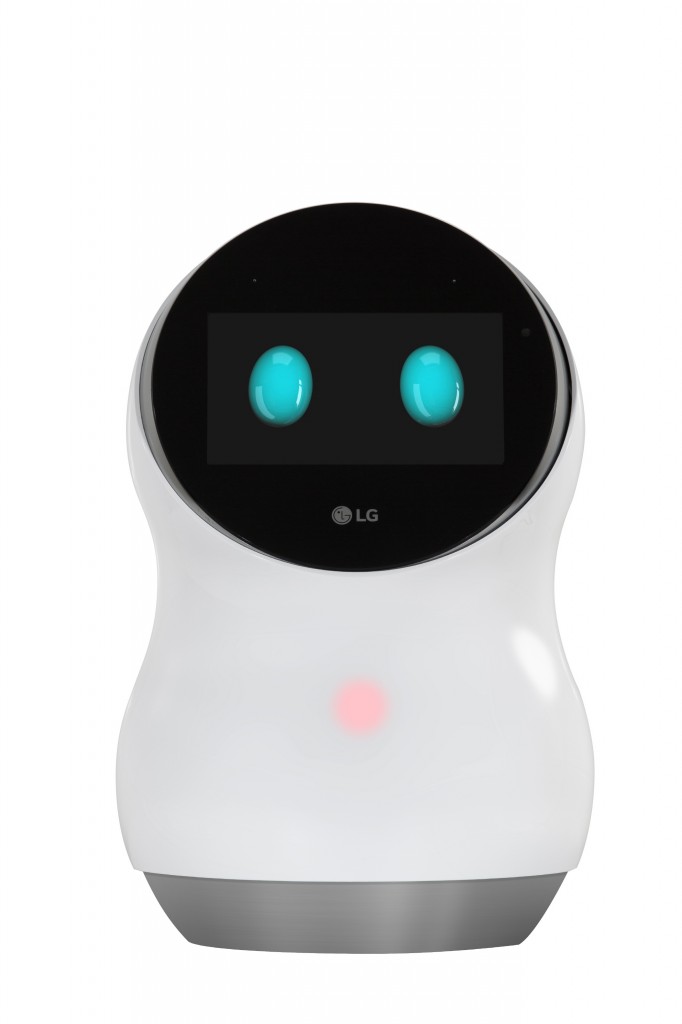
Meanwhile, LG revealed CLOiD, a humanoid robot built for the home. Unlike single-task devices, CLOiD is designed to manage daily routines. For example, it can interact with smart appliances, respond to voice commands, and move naturally within living spaces.
In addition, LG positioned CLOiD as part of a long-term vision. The goal is simple: reduce daily household effort through automation. As a result, home robotics is shifting from convenience to lifestyle support.
SwitchBot Focuses on Practical Household Robotics

At the same time, SwitchBot introduced the Onero H1, a mobile humanoid robot built for real homes. Rather than aiming for perfection, Onero focuses on usefulness.
For instance, it can move between rooms, grab objects, and interact with appliances. Because of this, it avoids the need for complex home redesigns. Ultimately, Onero shows how robots can adapt to humans, not the other way around.
Roborock Solves a Long-Standing Problem
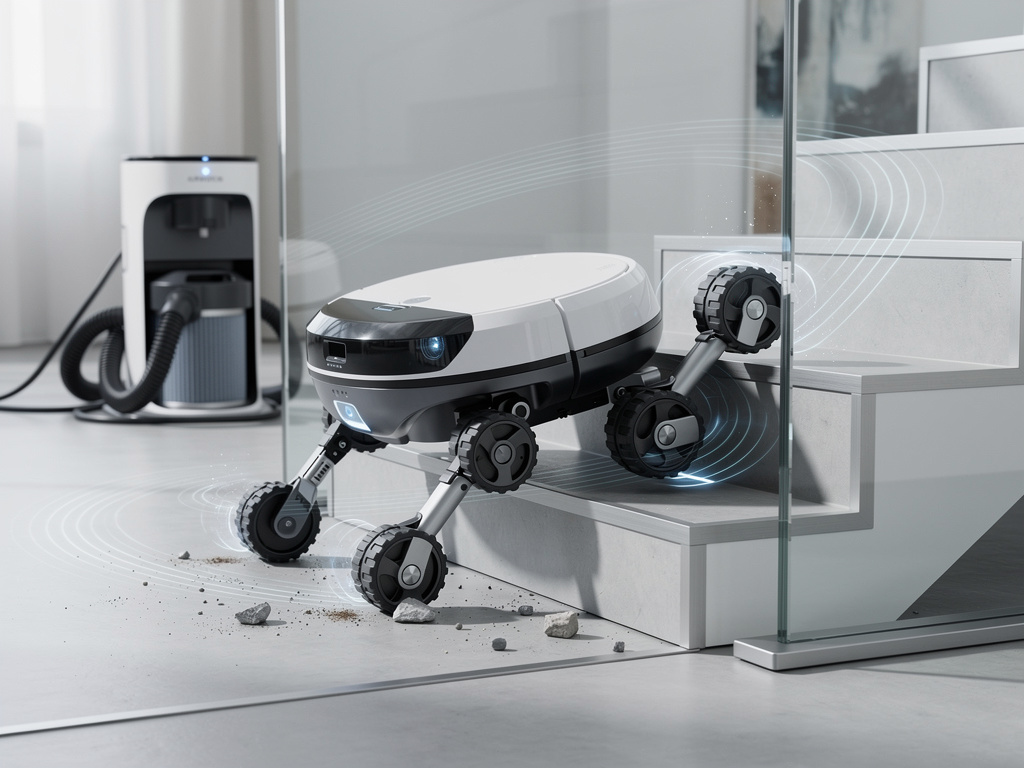


For years, robot vacuums had one major flaw: stairs. However, Roborock addressed that issue head-on at CES 2026.
Using AI navigation and mechanical movement, its new robot can climb stairs and clean multiple floors. As a result, robotic cleaning now covers entire homes instead of isolated spaces. This step forward makes autonomous cleaning far more practical.
Emotional and Companion Robots Gain Momentum


In addition to utility robots, CES 2026 highlighted emotional robotics. Companies introduced robot pets and companions designed to recognize voices, respond to mood, and adapt over time.
For example, Ecovacs showcased LilMilo, a robot dog that learns from interaction. While these robots may seem playful, they serve a larger purpose. In fact, they are being designed for families, seniors, and therapeutic settings. As a result, robotics is expanding beyond tasks into relationships.
Robots Move Directly Into the Workforce


Another major theme was service and industrial robotics. Richtech Robotics introduced Dex, a humanoid robot built for jobs such as hospitality, logistics, and retail.
Unlike experimental models, Dex is meant to operate in live environments. It can adjust to changing conditions and work alongside humans. Therefore, robots are no longer limited to factories. They are now stepping into public-facing roles.
Even Novelty Robots Play a Role


Of course, CES still had its share of fun. Some robots were built to cool food, react to sound, or entertain crowds. While these devices may seem small, they serve an important role.
They show how robotics shapes culture, design, and creativity. In other words, not every robot must be serious to be meaningful.
What CES 2026 Revealed About Robotics
Overall, several clear trends emerged:
- First, AI is replacing rigid programming
- Second, humanoid robots are moving toward real deployment
- Third, home robots are becoming multi-purpose
- Additionally, emotional intelligence is now a core feature
- Finally, service robots are entering public spaces
Taken together, these trends show a clear direction for the industry.
Final Takeaway
Ultimately, CES 2026 was not about distant ideas. Instead, it was about readiness. Robots are no longer waiting for the future. They are being designed for now.
From homes to workplaces, robotics is becoming practical, helpful, and human-aware. As a result, CES 2026 stands as a defining moment for the age of intelligent machines.
About the Author