Krish Dhokia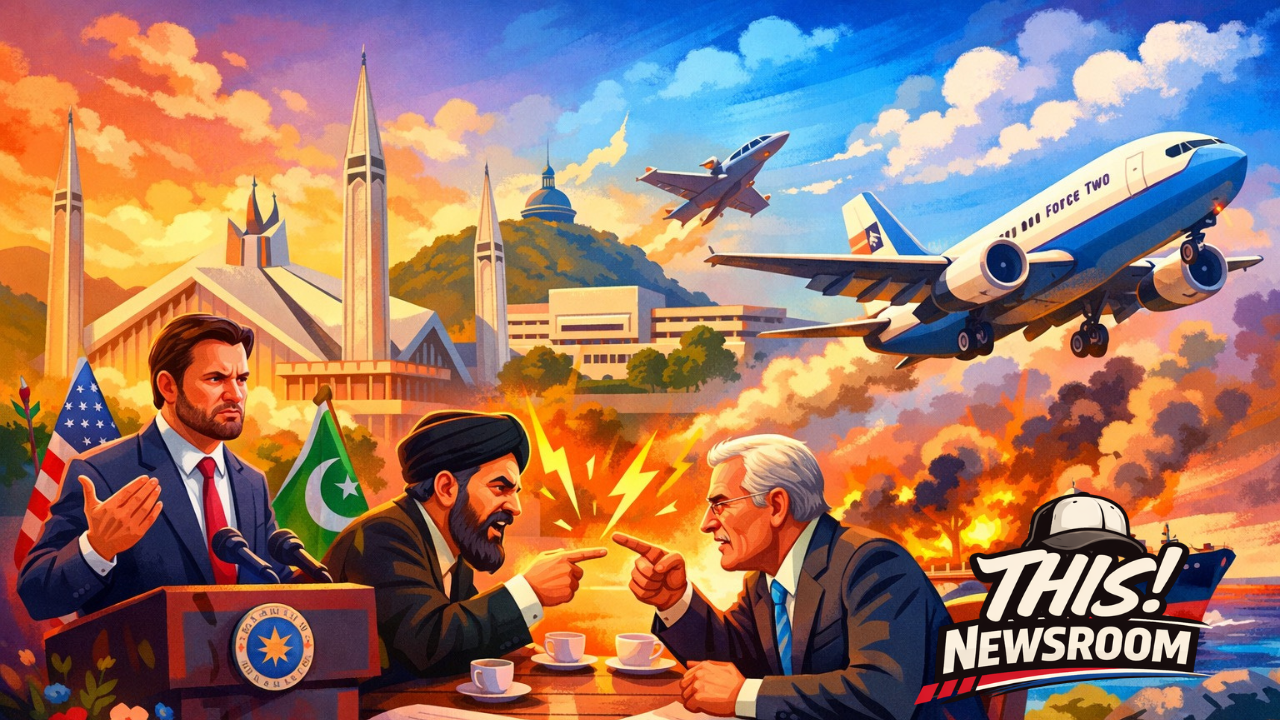
US–Iran Talks Collapse in Islamabad as JD Vance Warns of Rising Tensions

ISLAMABAD — High-stakes diplomatic talks between the United States and Iran ended without a deal on Sunday, marking a significant setback in efforts to ease escalating tensions in the Middle East.
Speaking after the closed-door meetings, U.S. Vice President J. D. Vance confirmed that negotiations had broken down after a full day of discussions in Pakistan’s capital.
“The bad news is that we have not reached an agreement,” Vance said at a press conference in Islamabad before departing aboard Air Force Two. “And I think that’s bad news for Iran much more than it’s bad news for the U.S. They have chosen not to accept our terms.”
What Went Wrong
While officials did not release full details of the negotiations, Vance indicated that key disagreements remained unresolved, particularly around nuclear restrictions and regional security commitments.
According to U.S. officials familiar with the talks, the primary sticking points included:
- The scope and enforcement of nuclear limitations
- Economic sanctions relief timelines
- Iran’s role in regional conflicts, including proxy involvement
Vance declined to provide specifics but emphasized that the U.S. had presented what he described as a “clear and reasonable framework.”
Iran Holds Its Ground
Iranian representatives pushed back on several U.S. demands, particularly those tied to long-term restrictions and verification measures. Officials signaled they were unwilling to accept conditions they viewed as overly restrictive or one-sided.
Although Tehran has not issued a full formal statement following the talks, sources suggest Iranian negotiators viewed the proposals as failing to adequately address sanctions relief and sovereignty concerns.
Why Islamabad Matters
The decision to host talks in Islamabad was strategic. Pakistan has maintained diplomatic relationships with both Washington and Tehran, positioning itself as a potential neutral ground for dialogue.
Earlier in the week, Vance met with Pakistani leadership in an effort to stabilize broader regional tensions and build momentum heading into the negotiations.
Broader Regional Pressure
The failed talks come amid rising instability across the region:
- Shipping disruptions near the Strait of Hormuz
- Continued military activity in parts of the Middle East
- Mounting global concern over energy markets and supply chains
Without a diplomatic breakthrough, analysts warn that tensions could escalate further, potentially impacting global oil prices and international security.
What Comes Next
Despite the breakdown, U.S. officials left the door open for future negotiations. Vance noted that diplomacy remains the preferred path forward but warned that time may not be on Iran’s side.
“We remain open to dialogue,” he said. “But the window for a meaningful agreement will not stay open forever.”
For now, both sides return home without a deal — and with the world watching closely for what happens next.
About the Author