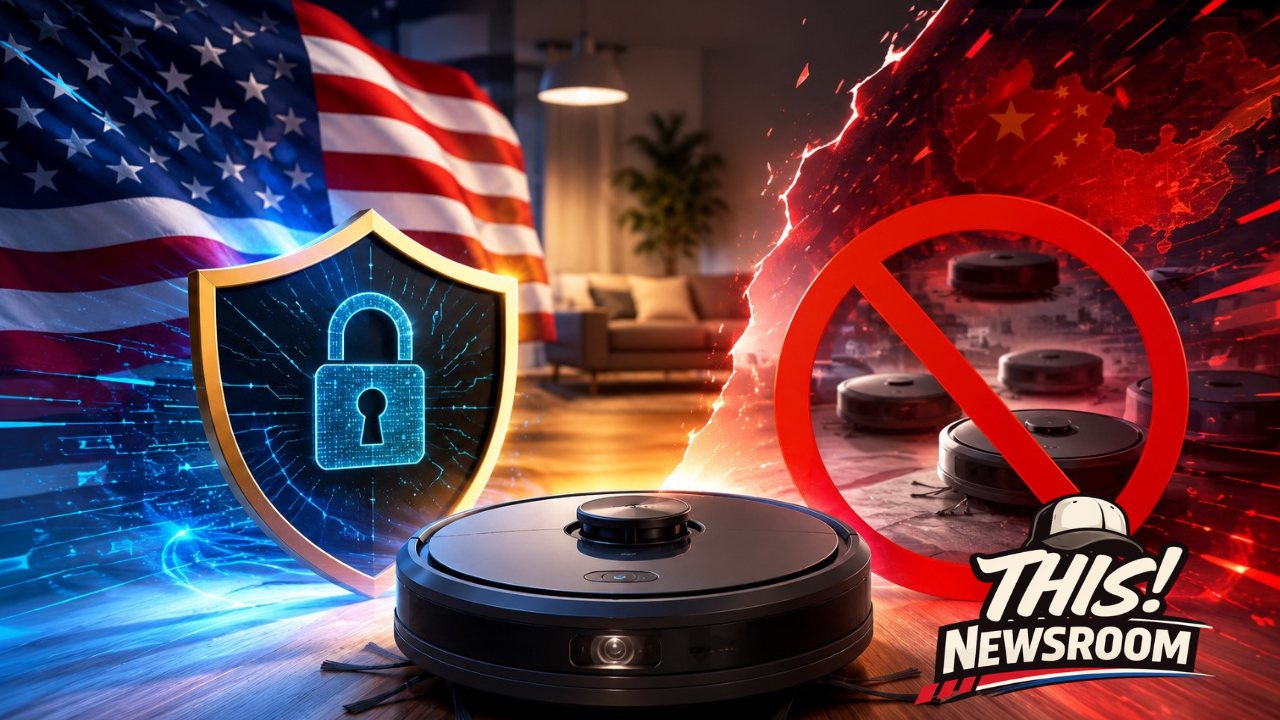
US Restricts Future Robot Vacuums Over Security Concerns
If you’ve been thinking about buying the latest robot vacuum, you may want to pay attention.
The Federal Communications Commission (FCC) has introduced new restrictions on certain foreign-made advanced robotic devices, including many next-generation robot vacuums. The agency says the changes will help reduce cybersecurity and national security risks linked to internet-connected robots.
Your Current Robot Vacuum Isn’t Going Anywhere
First, let’s clear up the biggest misconception online.
The U.S. government has not banned every Roomba or robot vacuum.
Instead, the new policy targets future foreign-manufactured robotic devices that seek FCC approval before entering the U.S. market. If you already own a robot vacuum, you can continue using it as usual. Likewise, retailers can still sell products that already received FCC authorization.
Why Is the Government Taking Action?
Today’s robot vacuums do much more than clean floors.
In fact, many premium models include:
- Cameras
- LiDAR mapping technology
- Microphones
- Wi-Fi and Bluetooth connectivity
- Artificial intelligence for navigation
- Detailed maps of your home’s interior
Because these devices gather and process information inside private homes, federal officials worry that some foreign-made products could create cybersecurity or espionage risks. As a result, regulators want additional oversight before approving future devices for sale.
Which Brands Could Feel the Impact?
Several of today’s leading robot vacuum manufacturers could face additional regulatory hurdles.
Industry analysts believe brands such as:
- Roborock
- Ecovacs
- Dreame
- Narwal
- Xiaomi
may need to complete a more extensive approval process before launching future models in the United States. Furthermore, some analysts say Roomba’s future products could also face increased scrutiny depending on manufacturing and supply-chain arrangements.
What Qualifies as an Advanced Robotic Device?
According to the FCC, the new rules generally apply to autonomous ground robots that:
- Weigh more than 4.4 pounds, including their docking stations
- Navigate without constant human control
- Use sensors to understand their surroundings
- Connect wirelessly to networks
- Run onboard software that supports AI or machine learning
Consequently, the policy could extend beyond robot vacuums. Future robotic lawn mowers and other connected household robots may also fall under these requirements.
What Does This Mean for Consumers?
For most Americans, nothing changes today.
Your current robot vacuum will continue working exactly as it does now. In addition, products already approved for sale can remain on store shelves.
However, consumers could notice changes over the next few years. Manufacturers may delay product launches while completing new approval requirements. As a result, shoppers could see fewer choices, longer release timelines, or higher prices for some premium robotic devices.
The Bigger Picture
These new restrictions represent part of a larger effort to strengthen U.S. technology security.
Over the past several years, federal officials have increased scrutiny of telecommunications equipment, drones, networking hardware, and connected consumer electronics. Now, advanced household robots have joined that growing list.
Ultimately, the government says it wants to protect Americans from potential cybersecurity threats without disrupting products already inside millions of homes.
Final Thoughts
Despite dramatic headlines circulating online, the government has not banned every robot vacuum.
Instead, regulators have tightened approval requirements for future foreign-made robotic devices that enter the U.S. market. Existing owners won’t lose access to their devices. Nevertheless, the next generation of connected household robots will likely face much stricter review before reaching American consumers.
This decision could reshape the smart home industry for years to come while also fueling a broader debate over privacy, cybersecurity, and the future of connected technology.
About the Author