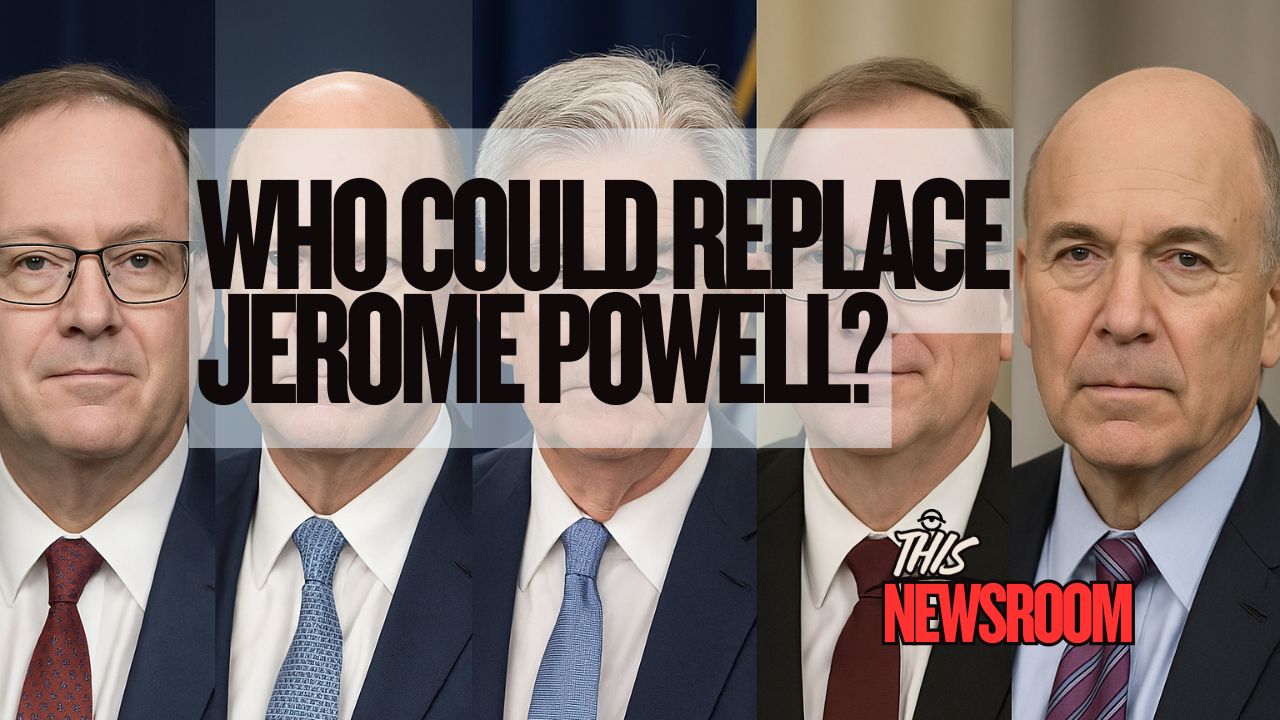
As speculation grows over who could replace Federal Reserve Chair Jerome Powell, Washington insiders, Wall Street analysts, and global markets are all gaming out the same question: Who comes next — and how will that choice reshape U.S. economic policy for the next decade?
Powell’s term has been defined by crisis management: a pandemic, historic stimulus, multi-decade-high inflation, an aggressive rate-hike cycle, and a fragile path back toward stability.
But whether Powell returns or a successor is chosen, the next Fed Chair will inherit an economy standing on a tightrope between cooling inflation and slowing growth.
Below is the newly re-ordered shortlist — starting with the candidate most frequently discussed in political circles.
KEVIN HASSETT — TRUMP’S TOP CHOICE AND THE MOST POLITICAL PICK ON THE BOARD

Why he’s the frontrunner:
Former Chair of the Council of Economic Advisers, Kevin Hassett is widely viewed as Donald Trump’s preferred choiceto replace Powell. Hassett is one of Trump’s closest economic advisers and the architect behind several pro-growth economic strategies embraced during Trump’s first term.
Positive sentiment:
- Strong macroeconomic background and decades of academic credibility.
- Growth-first philosophy deeply aligned with Trump’s economic agenda.
- Skilled communicator capable of framing complex monetary issues for the public.
- Seen by fiscal conservatives as a stabilizing force for growth and investment.
Negative sentiment:
- Critics argue he is too politically tied to Trump to preserve the Fed’s image of independence.
- Limited direct experience in setting monetary policy.
- Some fear he might favor aggressive rate cuts even if inflation risks rise.
- Senate Democrats would fiercely oppose his confirmation.
Market reaction:
Equities: likely an early rally.
Bonds: cautious or skeptical.
Economists: divided on whether he strengthens or destabilizes Fed independence.
CHRISTOPHER WALLER — THE FED INSIDER MARKETS TRUST MOST

Why markets like him:
A current Fed Governor known for his intellectual consistency and hawkish discipline, Waller is the most “Fed-like” of all the candidates — steady, predictable, and academically grounded.
Concerns:
Some argue he could remain overly hawkish into a downturn, and politically, he lacks flash. But markets value consistency far more than charisma.
Market reaction: Very favorable.
KEVIN WARSH — THE RETURN-OF-THE-HAWKS PICK

Why he’s taken seriously:
A former Fed Governor with a reputation for warning early about inflation, Warsh has long been admired by hard-money advocates and fiscally conservative economists.
Concerns:
Critics say he’s too hawkish, too tied to Wall Street, and out of sync with the modern Fed’s more nuanced approach.
Market reaction: Bonds smile, tech and housing panic.
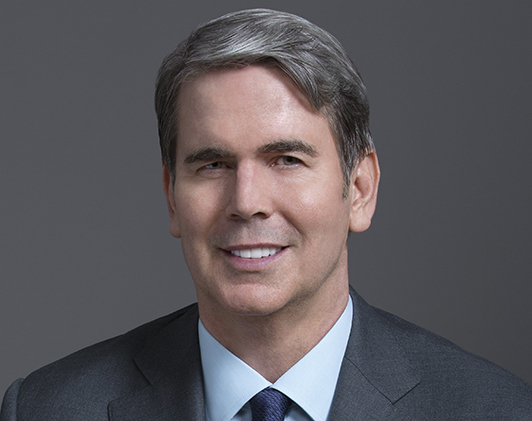
SCOTT BESSENT — THE MACRO STRATEGIST WITH BILLIONAIRE CREDENTIALS
The case for him:
Former CIO for George Soros and current hedge-fund founder, Bessent brings unmatched macro trading expertise. He understands global capital flows in a way few central bankers do.
Why critics recoil:
No central-banking experience. Too much hedge fund DNA for a role meant to be cautious and consensus-driven.
Market reaction: Equities love it. Fed traditionalists hate it.
DAVID MALPASS — THE GLOBAL ECONOMIST WITH WORLD BANK EXPERIENCE

Strengths:
Former World Bank President and Treasury official with a deep understanding of global debt and emerging markets.
Weaknesses:
Not a monetary-policy expert. Critics say his focus on global financial systems doesn’t match the Fed’s domestic inflation mandate.
Market reaction: Cautious, not panicked.
LAEL BRAINARD — THE POLICY CONTINUITY PICK

Strengths:
Former Fed Vice Chair, current NEC Director, and long respected for her economic intellect. Markets appreciate continuity, and Brainard represents the smallest deviation from current policy.
Concerns:
Viewed as more dovish — which bond markets may interpret as inflation-friendly.
JOHN WILLIAMS — THE QUIET TECHNICIAN

Strengths:
As New York Fed President, Williams already influences policy more than most governors. He’s data-driven and widely respected.
Weaknesses:
Communication — crucial for a Fed Chair — has been inconsistent. Markets want clarity, not mumbling.
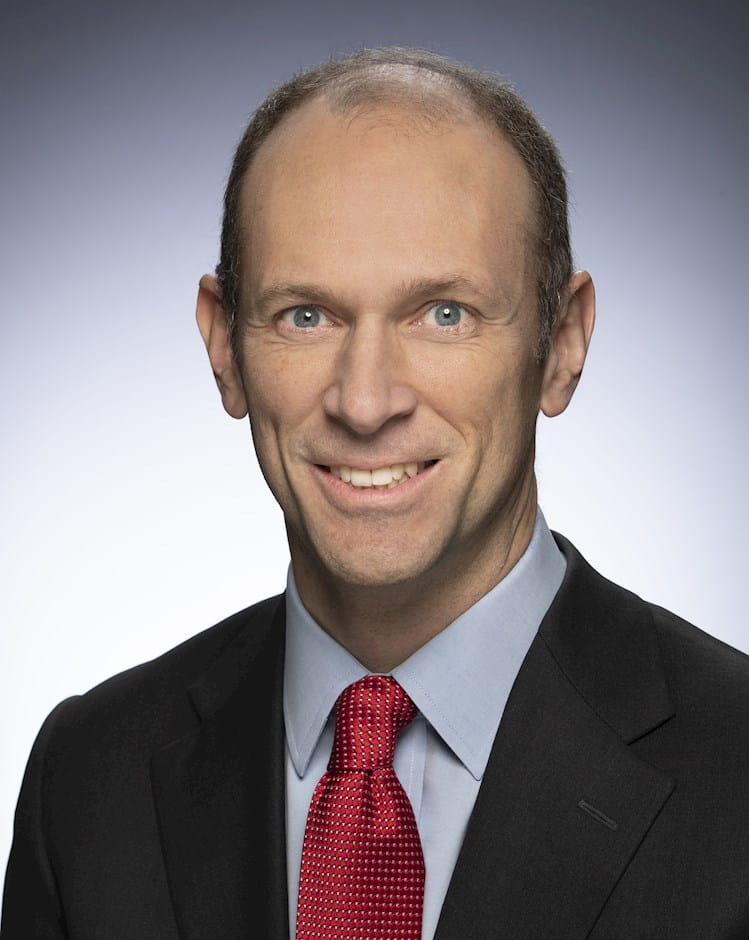
AUSTAN GOOLSBEE — THE WILDCARD WITH MEDIA SKILLS
Strengths:
Brilliant economist, relatable communicator, respected across academia. A modernizer.
Weaknesses:
Seen as too political, too dovish, and too unconventional for a central bank that values monotone predictability.
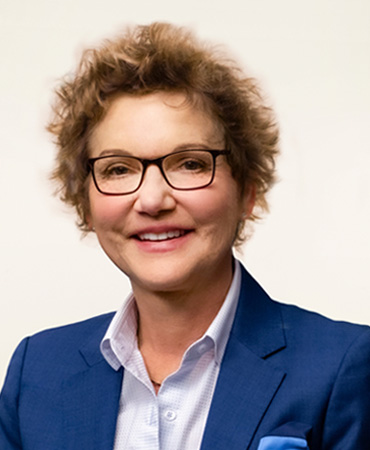
MARY DALY — THE PROGRESSIVE LABOR-FOCUSED VOICE
Strengths:
Excellent communicator, rising star, strong focus on labor markets and economic equity.
Weaknesses:
Progressive leanings could spook markets already concerned about sticky inflation.
JEFF ZIENTS — THE POLITICAL OPERATOR MOST LIKELY TO RAISE EYEBROWS

Why his name surfaces:
Trusted by the White House and known for operational mastery.
Why markets would revolt:
He is not a monetary economist. Period.
WHAT ABOUT JUST KEEPING POWELL?
Despite the buzz, there is still a real possibility Powell stays — especially if political chaos or market instability makes change too risky.
Pros of keeping Powell:
- Markets trust him.
- Known quantity.
- Inflation-fighting credibility established.
Cons:
- Politically unpopular with both extremes.
- Blamed for both inflation and high interest rates — which is peak Washington irony.
THE BOTTOM LINE
Replacing Jerome Powell is not just an economic decision — it is a political, market-moving, globally watched moment.
Hassett signals pro-growth, pro-Trump realignment.
Waller signals continuity with hawkish backbone.
Warsh signals hard-money discipline.
Bessent signals a bold, market-savvy experiment.
Brainard or Daly would define a more dovish, employment-first era.
Whatever direction the White House chooses, this will be one of the most consequential appointments of the next decade — and markets will react instantly.
About the Author