What’s Really Inside Lunchables? Ingredients, Chemicals
For decades, Lunchables have been one of the most recognizable snacks in American households. Marketed as a quick, fun, and convenient lunch for kids, these small plastic trays filled with crackers, cheese, meats, or pizza have become a staple in school lunches and grocery carts across the country.
But as parents become more aware of food ingredients and nutrition labels, many are starting to ask a bigger question:
What’s really inside a Lunchable?
While the snack remains incredibly popular, nutrition experts and consumer advocates have raised concerns about several ingredients commonly found in the product. Understanding those ingredients—and how they affect health—can help families make more informed choices.
What Are Lunchables?
Lunchables were introduced in 1988 by Kraft Foods (now owned by Kraft Heinz). The idea was simple: create a ready-to-eat meal that kids could assemble themselves.
Popular varieties include:
- Ham and Cheese with Crackers
- Turkey and American Cheese with Crackers
- Pepperoni Pizza
- Nachos with Cheese Dip
- Mini Hot Dogs
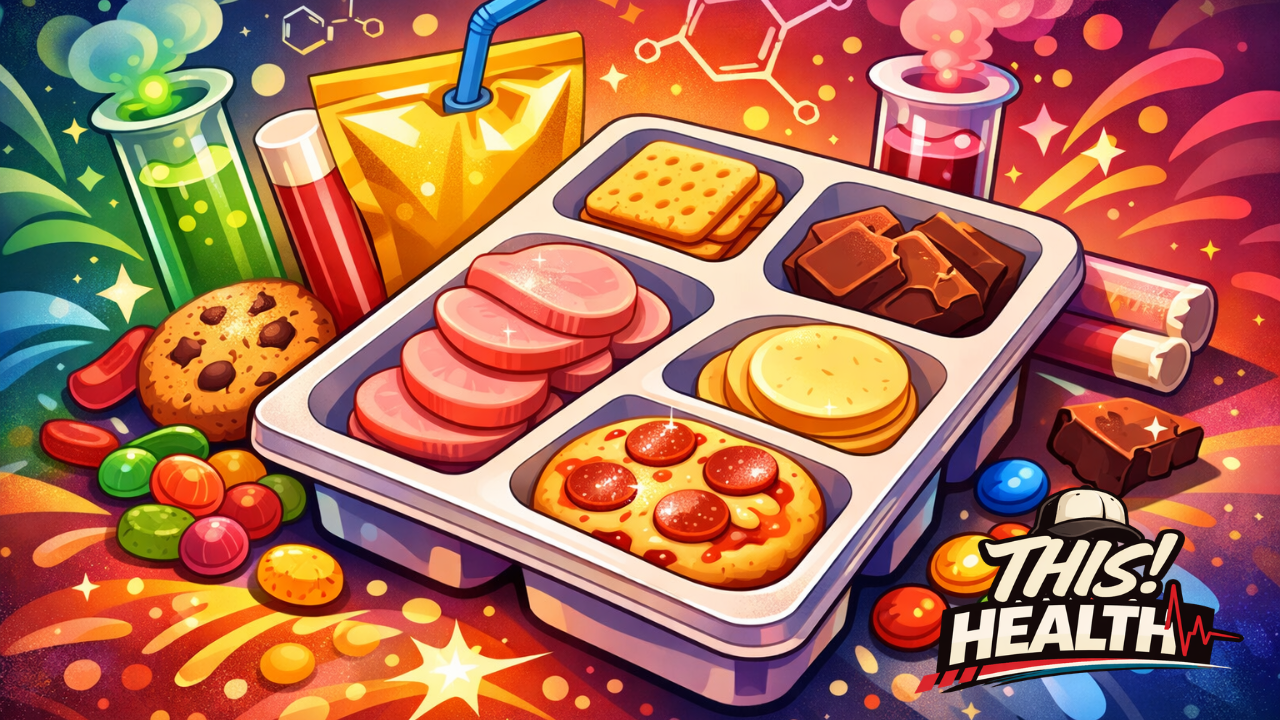
Each tray typically contains processed meat, cheese, crackers, and sometimes dessert items like cookies or candy.
Convenience and kid-friendly packaging helped make Lunchables a massive success. Today, millions are sold every year across the United States.
The Nutrition Profile
A typical Lunchables Ham and Cheese Crackers tray contains approximately:
- Calories: 310–340
- Protein: 12–15g
- Fat: 15–18g
- Sodium: 800–900 mg
For reference, the American Heart Association recommends that children consume no more than 1,500–1,900 mg of sodium per day, depending on age.
That means one Lunchable can provide nearly half a child’s daily sodium intake in a single snack.
Ingredients That Raise Concerns
Many of the concerns about Lunchables center on the use of ultra-processed ingredients. While these ingredients are approved by the FDA, nutrition researchers often warn that diets high in ultra-processed foods may contribute to long-term health risks.
Here are some commonly discussed ingredients found in various Lunchables products.
Sodium Nitrite
Processed meats inside Lunchables—such as ham, turkey, and pepperoni—often contain sodium nitrite, a preservative used to prevent bacteria and maintain color.
However, when sodium nitrite interacts with certain compounds during digestion, it can form nitrosamines, chemicals that some studies have linked to cancer risk when consumed frequently over long periods.
This is why many health experts recommend limiting processed meat consumption, especially for children.
High Sodium Levels
Lunchables are widely criticized for their high sodium content.
Sodium is commonly used in processed foods to preserve flavor and extend shelf life. However, excessive sodium intake in childhood has been associated with:
- Increased blood pressure
- Higher risk of cardiovascular disease later in life
- Poor overall diet quality
Many pediatric nutritionists suggest that snacks should ideally contain less than 200 mg of sodium, which Lunchables significantly exceed.
Artificial Preservatives
Several Lunchables products contain preservatives designed to maintain freshness.
These may include:
- Potassium sorbate
- Sodium phosphates
- BHA or BHT (in some processed foods)
While these preservatives are considered safe within regulated limits, critics argue that reducing reliance on chemical preservatives could improve overall food quality.
Refined Grains and Added Sugars
The crackers included in many Lunchables are made from refined white flour, which removes fiber and nutrients during processing.
Some versions also include:
- Added sugars in crackers or sauces
- Sweet desserts or candy components
These additions can contribute to increased calorie intake without providing significant nutritional value.
Are Lunchables “Ultra-Processed”?
Many nutrition researchers classify Lunchables as ultra-processed foods, meaning they contain multiple industrial ingredients not typically used in home cooking.
Ultra-processed foods often include:
- Artificial flavorings
- Stabilizers
- Preservatives
- Highly refined carbohydrates
Recent studies suggest diets high in ultra-processed foods may be associated with increased risks of:
- Obesity
- Type 2 diabetes
- Heart disease
However, researchers emphasize that occasional consumption is unlikely to cause harm, especially when balanced with a healthy overall diet.
What Kraft Heinz Says
Kraft Heinz maintains that Lunchables meet all federal food safety and nutrition standards.
The company has also introduced newer product lines aimed at improving nutritional profiles, including:
- Lunchables with 100% juice
- Reduced sodium options
- Lunchables uploaded, which include nuts, fruits, and protein snacks
Kraft Heinz says it continues to reformulate products as consumer preferences shift toward healthier ingredients.
Healthier Alternatives for Parents
For parents who want a similar convenience without the processed ingredients, there are simple alternatives.
You can build a homemade “Lunchable” with:
- Whole-grain crackers
- Sliced turkey or grilled chicken
- Natural cheese
- Fresh fruit
- Nuts or yogurt
These options often contain less sodium and fewer preservatives while still giving kids the fun of assembling their own meal.
The Bottom Line
Lunchables remain one of the most convenient lunch options for busy families. However, the product also highlights a broader issue in the modern food system: the heavy reliance on ultra-processed ingredients in many packaged foods marketed toward children.
For families trying to improve nutrition, the key isn’t necessarily eliminating foods like Lunchables entirely—but understanding what’s inside them and balancing them with healthier whole-food choices.
As awareness about ingredients continues to grow, conversations about processed foods and children’s nutrition are likely to become even more important in the years ahead.
About the Author