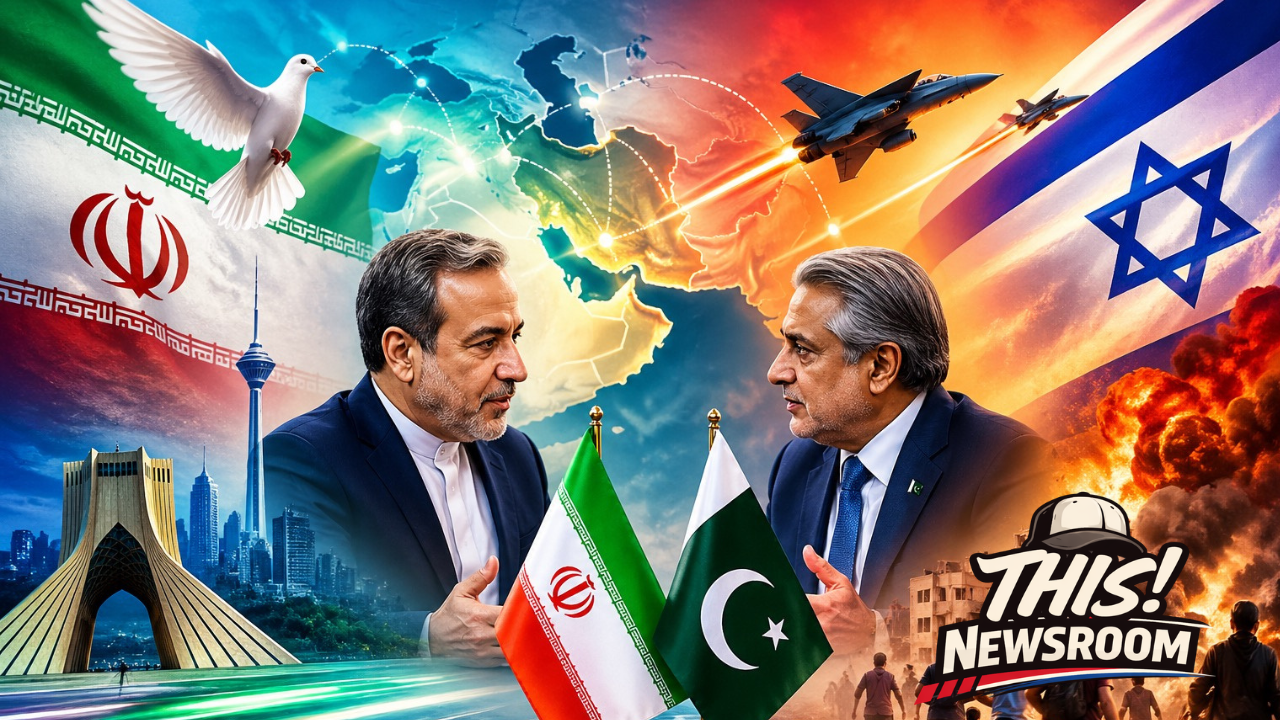
Middle East Tensions Rise: Iran Pushes Diplomacy as Israel Issues Lebanon Evacuation Orders
Tensions across the Middle East intensified this week as diplomatic efforts and military actions unfolded simultaneously, underscoring the fragile and volatile state of the region. While Iran pushed forward with negotiations aimed at de-escalation, Israel signaled continued military readiness with new evacuation orders in southern Lebanon.
Iran’s Foreign Minister, Abbas Araghchi, returned to Islamabad for another round of high-level discussions. His visit highlights Iran’s growing diplomatic push to broker an end to the ongoing conflict, which has drawn in multiple regional players and raised global concerns about a broader war.
Diplomacy Intensifies in Islamabad
Araghchi’s meetings in Islamabad come at a critical moment. Pakistan has positioned itself as a potential mediator, leveraging its relationships across the Muslim world and maintaining diplomatic channels with both Western and regional powers. Iranian officials have emphasized that their goal is to reduce hostilities and prevent further escalation that could destabilize the region for years.
Moreover, these talks are expected to address not only immediate ceasefire possibilities but also longer-term frameworks for regional security cooperation. Iran’s diplomatic outreach signals a strategic shift toward negotiation, even as tensions remain high on multiple fronts.
Israel Issues New Evacuation Orders
At the same time, Israel issued fresh evacuation orders for civilians in southern Lebanon, a move widely seen as a precursor to potential military operations. Israeli officials cited ongoing threats from militant groups operating near the border, particularly those aligned with Iranian interests.
The evacuation orders affect several communities along the border region, forcing thousands of residents to relocate amid fears of imminent conflict. Israeli defense authorities have reiterated that the safety of civilians remains a priority, but they have also made clear that military action will continue if threats persist.
A Region on Edge
These parallel developments—diplomatic outreach from Iran and military preparedness from Israel—reflect the complex dynamics currently shaping the Middle East. While negotiations in Islamabad offer a glimmer of hope, actions on the ground suggest that the risk of escalation remains very real.
Analysts warn that miscalculations or sudden shifts in strategy could quickly unravel diplomatic progress. Additionally, the involvement of multiple state and non-state actors complicates any pathway to peace.
What Comes Next
The coming days will prove critical. If talks in Islamabad yield tangible progress, they could open the door to broader negotiations involving additional regional and international stakeholders. However, continued military movements and evacuation orders indicate that all sides are preparing for multiple outcomes.
For now, the Middle East stands at a crossroads—caught between diplomacy and conflict, with the world watching closely as events continue to unfold.
About the Author