Sony’s $4 Billion Justin Bieber Music Catalog Deal Could Change the Industry
The music industry is once again proving that old songs may be one of the most valuable assets on Earth.
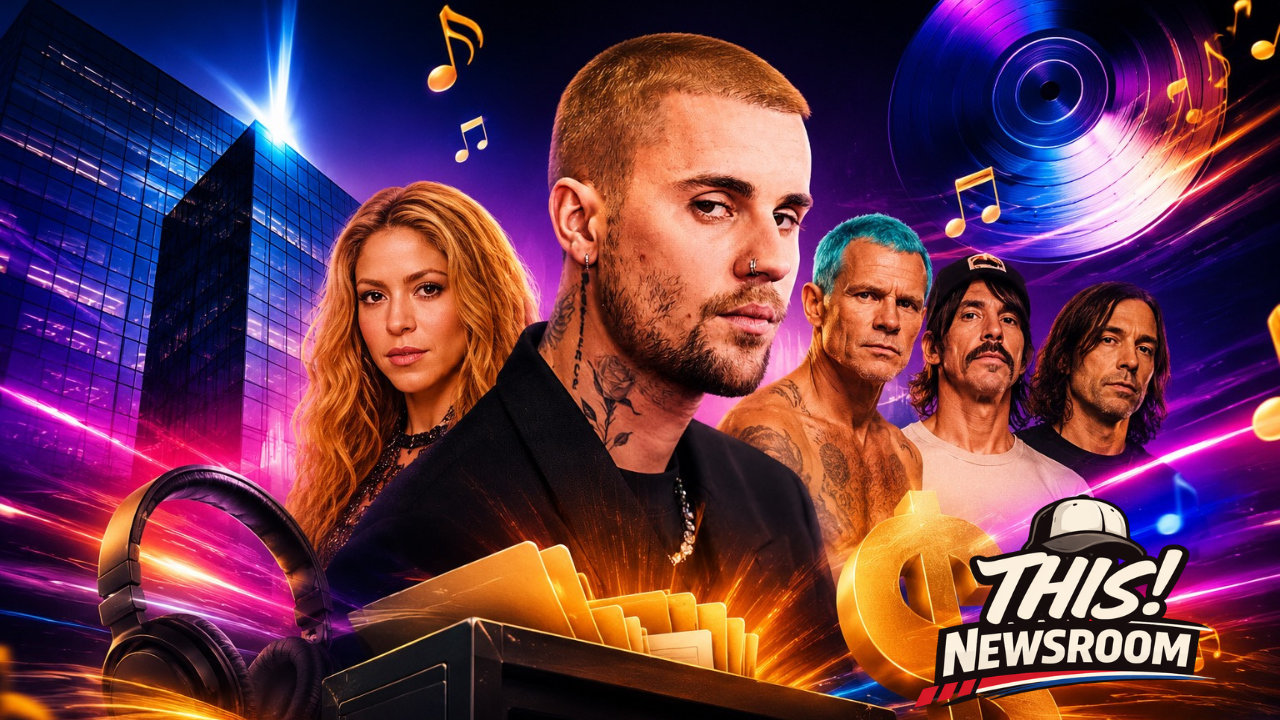
According to reports, Justin Bieber and Shakira are among the major artists tied to a massive catalog deal that could see Sony Music Entertainment pay as much as $4 billion to acquire Recognition Music Group through investment giant Blackstone.
If finalized, the deal would give Sony access to rights connected to more than 45,000 songs and recordings across roughly 150 catalogs. That includes music tied to Bieber, Shakira, and Red Hot Chili Peppers — names that generate billions of streams every year.
And yes, this sounds insane at first.
Four billion dollars… for songs that already exist.
But in 2026, music catalogs are no longer viewed as nostalgia plays. They are recurring revenue machines.
Why Music Catalogs Are Suddenly Worth So Much
Streaming completely changed the economics of music ownership.
A hit song no longer has a short shelf life tied to radio play or physical album sales. Songs now generate revenue 24 hours a day across:
- Spotify
- Apple Music
- YouTube
- TikTok
- Instagram Reels
- TV licensing
- Movies
- Video games
- AI training discussions
- Global advertising campaigns
One viral TikTok trend can suddenly turn a 15-year-old song back into a chart-topping hit overnight.
That means owning music rights has become similar to owning digital real estate. The right catalog can produce stable cash flow for decades.
Investors love predictable recurring income, and major music catalogs increasingly behave like infrastructure assets.
Why Justin Bieber’s Catalog Matters So Much
Even after years in the spotlight, Bieber remains one of the most streamed artists on the planet.
Songs like:
- “Baby”
- “Sorry”
- “Love Yourself”
- “Peaches”
- “Stay”
continue generating enormous streaming numbers globally.
The key difference today is that younger audiences are discovering older Bieber music for the first time through social algorithms rather than traditional album releases.
That creates something rare in entertainment: multi-generational monetization.
A teenager hearing “Sorry” on TikTok today is financially valuable to whoever owns the rights in the same way a radio listener was valuable in 2016.
The Bigger Story: Wall Street Is Taking Over Music
This may be the most important part of the story.
Music ownership is shifting away from artists and toward investment firms, private equity groups, and corporate giants.
Over the last several years, major catalogs from legendary artists have sold for staggering amounts:
- Bob Dylan
- Bruce Springsteen
- Justin Timberlake
- Katy Perry
- Neil Young
Now companies treat songs almost like stocks, bonds, or commercial property.
The logic is simple:
- Streaming subscriptions keep growing globally.
- Music consumption is constant.
- Catalogs can be leveraged for licensing.
- AI may increase demand for recognizable music brands.
- Legacy songs have proven durable across generations.
In many ways, the modern music business has become less about creating songs and more about owning intellectual property.
Is This Good or Bad for Artists?
That depends on who you ask.
For artists, catalog sales can provide:
- Immediate liquidity
- Tax planning advantages
- Estate planning benefits
- Protection against future industry uncertainty
But critics argue these deals slowly remove creative ownership from musicians and place culture into the hands of financial institutions.
There is also concern that future generations of artists may struggle to retain long-term ownership of their work if giant corporations continue consolidating catalogs.
Still, many artists take the guaranteed money.
And when the checks reach nine or ten figures, it becomes difficult to say no.
What Happens Next
At the moment, the deal is reportedly still in advanced discussions.
If Sony completes the acquisition, it would strengthen its already massive position in global music publishing and recording rights.
It would also reinforce a growing reality inside entertainment:
The real money is no longer just in making hits.
It is in owning them forever.
About the Author