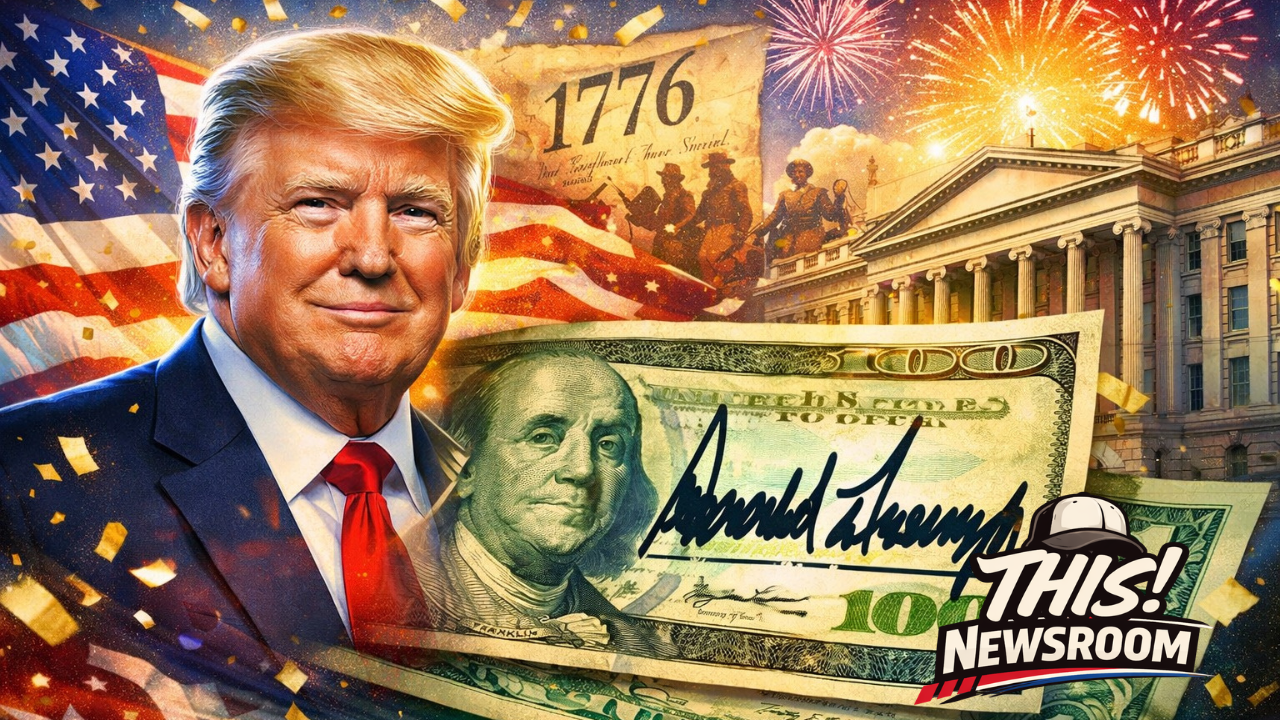
Trump Signature on Dollar Bills? Historic Move for America’s 250th Anniversary
In a move that’s sparking both excitement and debate across the country, former President Donald Trump is reportedly set to have his signature featured on U.S. dollar bills—a first-of-its-kind concept tied to the upcoming 250th anniversary of the United States in 2026.
If finalized, this would mark a historic departure from long-standing traditions around American currency—and it’s already becoming one of the most talked-about symbolic gestures leading into the nation’s semiquincentennial celebration.
What’s Changing—and Why It Matters
For over a century, U.S. paper currency has followed a consistent format:
- The Treasury Secretary’s signature
- The Treasurer of the United States’ signature
These signatures represent financial authority—not political leadership.
But now, as part of the America 250 celebration, there are discussions around incorporating Trump’s signature as a commemorative element, potentially on limited-edition bills or redesigned currency tied to the milestone.
The rationale?
A bold, modern tribute to one of the most polarizing and influential political eras in recent U.S. history—wrapped into a once-in-a-generation national celebration.
Breaking Tradition—or Reinventing It?
This potential move raises a major question:
Should U.S. currency remain apolitical—or evolve with the times?
Historically, U.S. bills feature:
- Founding fathers like George Washington
- Statesmen like Abraham Lincoln
No sitting or former president has ever had their personal signature added to currency outside of official Treasury roles.
If implemented, Trump’s inclusion would:
- Break precedent
- Blur the line between governance and symbolism
- Potentially set a new standard for future commemorations
Supporters argue it reflects modern America’s evolving identity. Critics warn it could politicize one of the country’s most neutral national symbols.
Public Reaction: Split Down the Middle
As expected, reactions are sharply divided:
Supporters say:
- It’s a bold, patriotic move celebrating American history
- Trump’s presidency deserves recognition in a milestone moment
- It modernizes how the U.S. honors leadership
Critics argue:
- Currency should remain politically neutral
- It risks opening the door for future political influence
- It could create controversy rather than unity during a national celebration
Either way, one thing is clear: this conversation is bigger than a signature—it’s about identity, legacy, and symbolism.
What Happens Next?
At this stage, details remain fluid. Any official change to U.S. currency would involve:
- The U.S. Department of the Treasury
- The Bureau of Engraving and Printing
Design approvals, production timelines, and legal considerations would all play a role before anything reaches circulation.
If approved, expect:
- Limited commemorative prints
- Potential collector editions
- Massive public interest (and likely resale markets)
Why This Story Is Bigger Than Money
This isn’t just about what’s printed on a dollar bill.
It’s about:
- How America chooses to celebrate 250 years
- Which figures define that story
- And how tradition balances with modern influence
Whether you see it as historic or controversial, one thing’s certain:
The dollar bill may soon carry more than just value—it may carry a statement.
Don’t Miss: UFC Fight Night Buzz
While headlines heat up in politics, the energy is just as intense in sports.
Read the full breakdown here: Read all about the white UFC Fight Night!
Final Take
In a country built on tradition yet driven by reinvention, this potential shift hits right at the intersection of both.
And as America approaches its 250th birthday, the question isn’t just what goes on the dollar—
…it’s what story we want it to tell.
About the Author