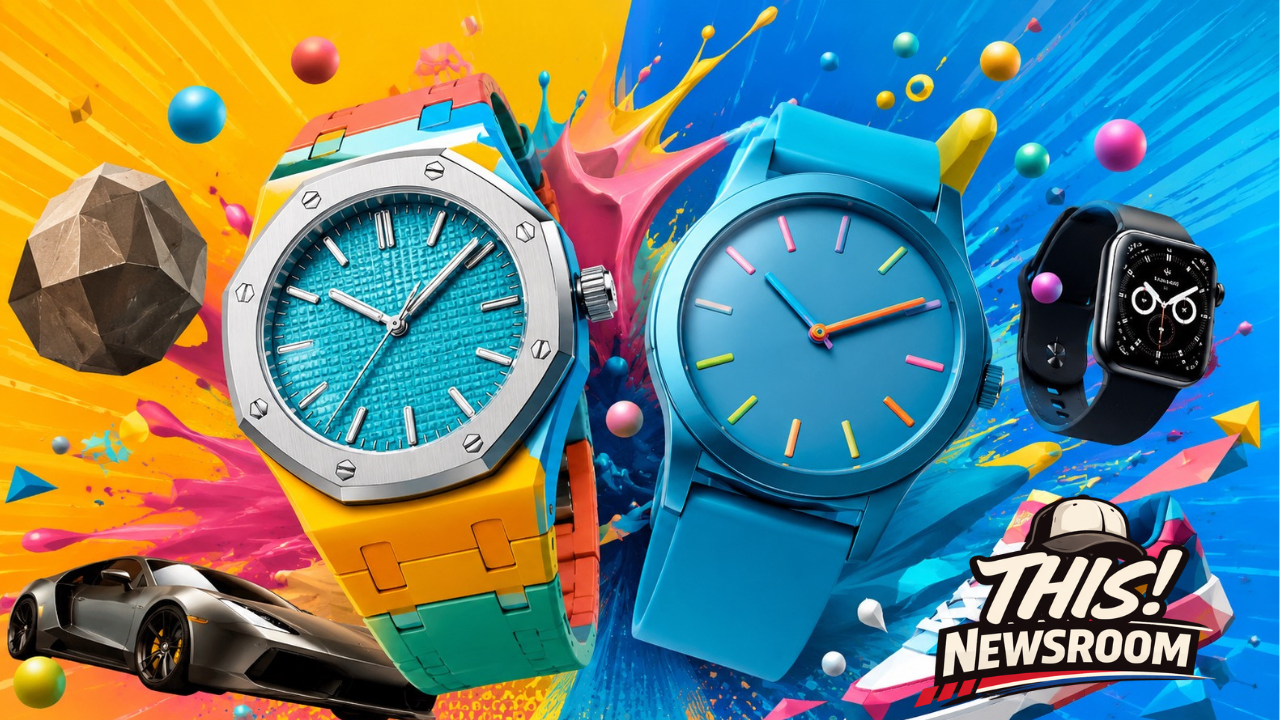
Audemars Piguet x Swatch Craze Signals a New Era for Luxury Watches
Luxury watch brands spent years pretending smartwatches were just a passing trend.
Then the Apple Watch quietly became one of the most dominant watches on earth.
Suddenly, Swiss watchmakers faced a very uncomfortable reality: younger consumers no longer viewed traditional watches as essential. A generation raised on iPhones, notifications, fitness tracking, and instant connectivity simply did not have the same emotional attachment to mechanical watches their parents did.
That is why the recent frenzy surrounding the rumored and highly anticipated Audemars Piguet collaboration with Swatchmatters so much.
This is not just about watches anymore.
It is about survival, relevance, and cultural influence.
The Luxury Watch Industry Has a Youth Problem
For decades, brands like Audemars Piguet built their identities around exclusivity. Their watches were expensive, difficult to obtain, and often viewed as status symbols reserved for elite collectors, athletes, celebrities, and executives.
The problem?
Most younger buyers are not spending $30,000 to $100,000 on a mechanical timepiece.
They are buying:
- Smartwatches
- Sneakers
- Experiences
- Technology
- Streetwear
- Digital subscriptions
- Creator-driven products
Luxury brands realized they were slowly aging alongside their customer base.
So the strategy began to shift.
Swatch Accidentally Created the Perfect Luxury Funnel
When Swatch collaborated with Omega on the MoonSwatch collection, traditional collectors initially mocked it.
A plastic watch inspired by the legendary Omega Speedmaster seemed ridiculous to hardcore enthusiasts.
Then stores sold out instantly.
Lines wrapped around blocks.
TikTok exploded.
Resale prices surged.
And suddenly, thousands of younger consumers who had never cared about Swiss watches were discussing movements, bezels, chronographs, and heritage branding.
The MoonSwatch became what marketers would call a “gateway luxury product.”
Affordable enough to feel accessible.
Connected enough to feel aspirational.
That formula changed everything.
Why the Audemars Piguet Rumors Created So Much Hype
The mere possibility of an Audemars Piguet collaboration with Swatch sent the watch world into overdrive because AP represents an entirely different level of exclusivity.
The iconic Royal Oak is one of the most recognizable watches in the world. In some cases, demand is so intense that buyers wait years or pay massive premiums on the resale market.
A more affordable collaboration instantly creates something powerful:
A way for younger consumers to participate in the brand story without needing a six-figure income.
That is the real strategy.
Luxury brands are realizing they do not need every young customer to buy the expensive watch immediately. They simply need them emotionally invested in the ecosystem.
Today’s collaboration buyer becomes tomorrow’s luxury collector.
Meanwhile, Apple Changed Consumer Expectations Forever
The rise of the Apple Watch fundamentally changed how younger generations think about watches.
Watches are now expected to:
- Track workouts
- Handle notifications
- Monitor sleep
- Process payments
- Connect to apps
- Integrate into daily digital life
Traditional Swiss watches cannot compete feature-for-feature with technology companies like Apple.
So instead, they are competing emotionally.
Luxury mechanical watches are now marketed more like art, fashion, or collectibles than tools.
That is why collaborations matter so much. They create culture.
Stocks and the Business Side of the Craze
The luxury watch market has experienced increasing pressure from changing consumer habits, economic slowdowns, and competition from wearable technology.
At the same time, collaboration hype can dramatically boost:
- Brand visibility
- Social engagement
- Retail traffic
- Secondary market activity
- Investor confidence
The MoonSwatch phenomenon proved that traditional watch companies still know how to dominate social conversation when they want to.
That caught Wall Street’s attention.
Investors began seeing these collaborations not just as novelty launches, but as customer acquisition strategies designed to bring entirely new demographics into the luxury space.
In other words:
The watches themselves are not the whole business model.
The long-term customer relationship is.
The Future of Luxury Watches Might Look Very Different
Luxury watchmakers once relied almost entirely on exclusivity and tradition.
Now they are borrowing tactics from:
- Sneaker culture
- Streetwear drops
- Influencer marketing
- Social media hype cycles
- Limited-edition collectibles
And honestly? It is working.
The modern luxury buyer wants heritage, but they also want accessibility. They want exclusivity, but they also want participation.
That balancing act is exactly why collaborations involving brands like Audemars Piguet generate so much attention.
Because deep down, the luxury watch industry understands something important:
If younger generations never emotionally connect to mechanical watches now, they may never buy them later.
And in a world dominated by screens, notifications, and disposable technology, Swiss watchmakers are trying to remind people that craftsmanship can still feel cool.
Sources
- Audemars Piguet Official Website
- Swatch Official Website
- Omega MoonSwatch Collection
- Apple Watch Official Website
About the Author