YouTube and FIFA Reach Deal for 2026 FIFA World Cup Streaming
The way fans watch the FIFA World Cup may be changing in a very big way.
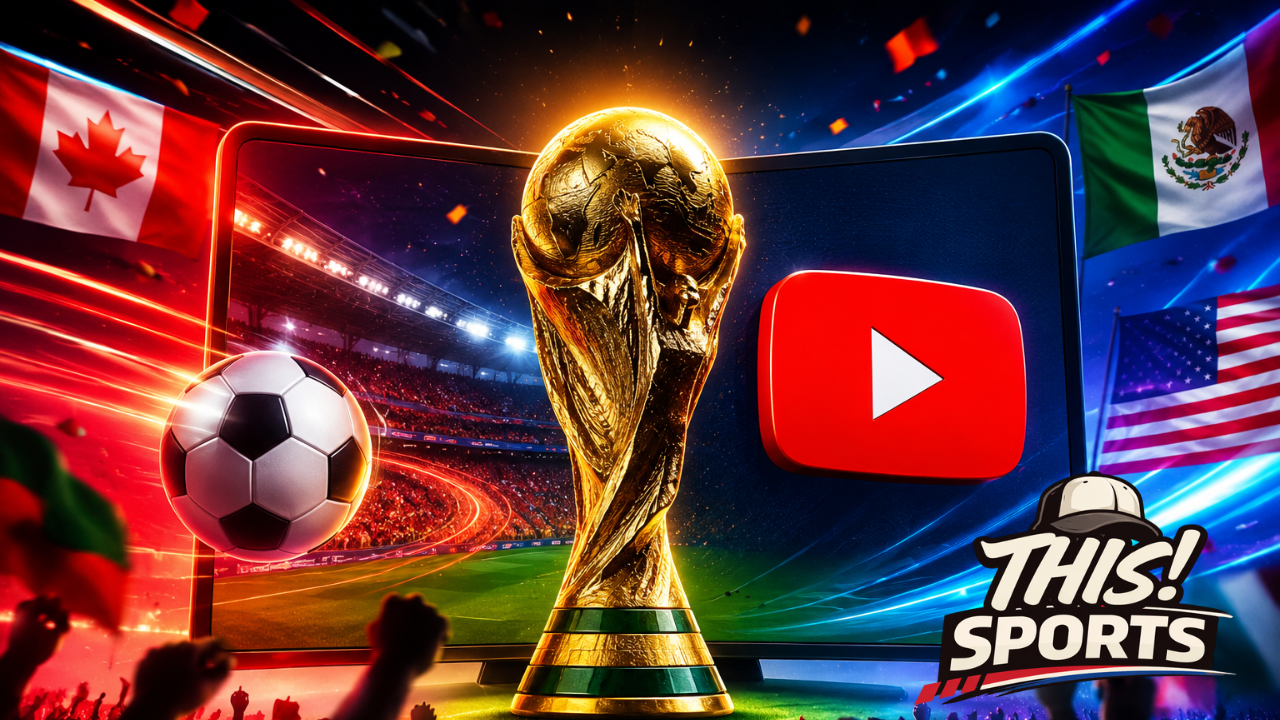
According to multiple reports circulating online, YouTube and FIFA have reached a new partnership tied to the 2026 FIFA World Cup, opening the door for live match streaming and expanded digital access for fans around the globe. While traditional broadcasters are still expected to carry the majority of matches, the agreement signals that FIFA is leaning heavily into digital-first viewing for the biggest sporting event on the planet.
And honestly? It was probably inevitable.
The 2026 FIFA World Cup will already be the largest in tournament history. The event will feature 48 national teams and will be hosted across the United States, Canada, and Mexico. FIFA knows younger audiences increasingly consume sports through streaming platforms, mobile devices, highlights, creator reactions, and second-screen experiences instead of traditional cable television.
That is where YouTube enters the picture.
What the FIFA and YouTube Deal Could Include
Early details suggest the partnership could involve several layers of coverage rather than every single match being fully free worldwide.
Reports indicate that:
- Select FIFA World Cup matches may stream fully on YouTube
- Some games could feature limited free live access before redirecting viewers to official broadcasters
- Highlights, alternate camera feeds, creator content, and behind-the-scenes coverage will expand significantly
- YouTube may become a central global hub for FIFA clips, recaps, interviews, and live companion programming
The agreement appears designed to increase global reach while still protecting FIFA’s billion-dollar television rights deals with networks around the world.
That means FOX Sports in the United States and other licensed broadcasters internationally are still expected to hold major exclusive rights for full match coverage in many regions.
However, the partnership could dramatically change how casual fans discover and interact with the tournament online.
How to Watch the 2026 FIFA World Cup
Here is what fans should currently expect heading into the 2026 tournament.
United States Viewing Options
In the United States, the primary FIFA World Cup broadcasters are expected to include:
- FOX Sports
- FS1
- FOX Deportes
- Streaming through the FOX Sports App
- Select streaming integrations through YouTube TV
Fans with YouTube TV subscriptions will likely have one of the easiest experiences for live access.
Free Streaming Possibilities
The reported FIFA-YouTube partnership may allow:
- Select matches streamed free globally
- Live pregame and postgame coverage
- Official FIFA creator livestreams
- Watch parties and reaction streams
- Expanded highlight packages instantly after matches
FIFA appears focused on reaching younger viewers who increasingly consume sports through clips, social media, and mobile-first viewing habits.
International Viewing
Broadcast rights vary country by country. Depending on your location, matches could air through:
- BBC and ITV in the United Kingdom
- TSN and CTV in Canada
- Televisa and TV Azteca in Mexico
- Various regional sports broadcasters worldwide
YouTube integration could potentially provide additional supplemental coverage globally regardless of local television rights.
Why This Matters for Sports Streaming
This deal is bigger than just soccer.
The FIFA World Cup is one of the largest live television events on Earth. If YouTube successfully becomes a major distribution partner, it could permanently shift how global sports leagues think about streaming rights.
Sports organizations are watching closely because younger audiences:
- Prefer mobile viewing
- Watch shorter clips
- Engage with creators during games
- Use social platforms alongside live sports
- Expect instant access everywhere
Traditional cable models are slowly losing ground, and FIFA clearly understands where the audience is heading.
FIFA’s Massive Opportunity in North America
The 2026 FIFA World Cup is already expected to shatter attendance and revenue records.
With matches spread across North America and massive growth in soccer popularity in the United States, FIFA sees an opportunity to turn the tournament into a fully digital entertainment ecosystem rather than simply a television event.
That means:
- More creators
- More livestreams
- More behind-the-scenes content
- More fan interaction
- More streaming accessibility
And potentially… many more eyeballs than ever before.
Final Thoughts
If these reports fully materialize, the 2026 FIFA World Cup could become the most digitally accessible tournament in sports history.
Television networks are not disappearing anytime soon. Nevertheless, YouTube’s involvement signals that FIFA is preparing for the future of live sports consumption.
For fans, that likely means easier access, more content, more highlights, and far more ways to experience the World Cup beyond sitting in front of a cable box.
The countdown to 2026 just became even more interesting.
About the Author