Atlanta Airport Expands Mandatory Ebola Screenings for International Travelers
Travelers arriving at Atlanta’s Hartsfield-Jackson International Airport from parts of Central and East Africa now face mandatory Ebola screenings as health officials respond to a growing outbreak overseas.
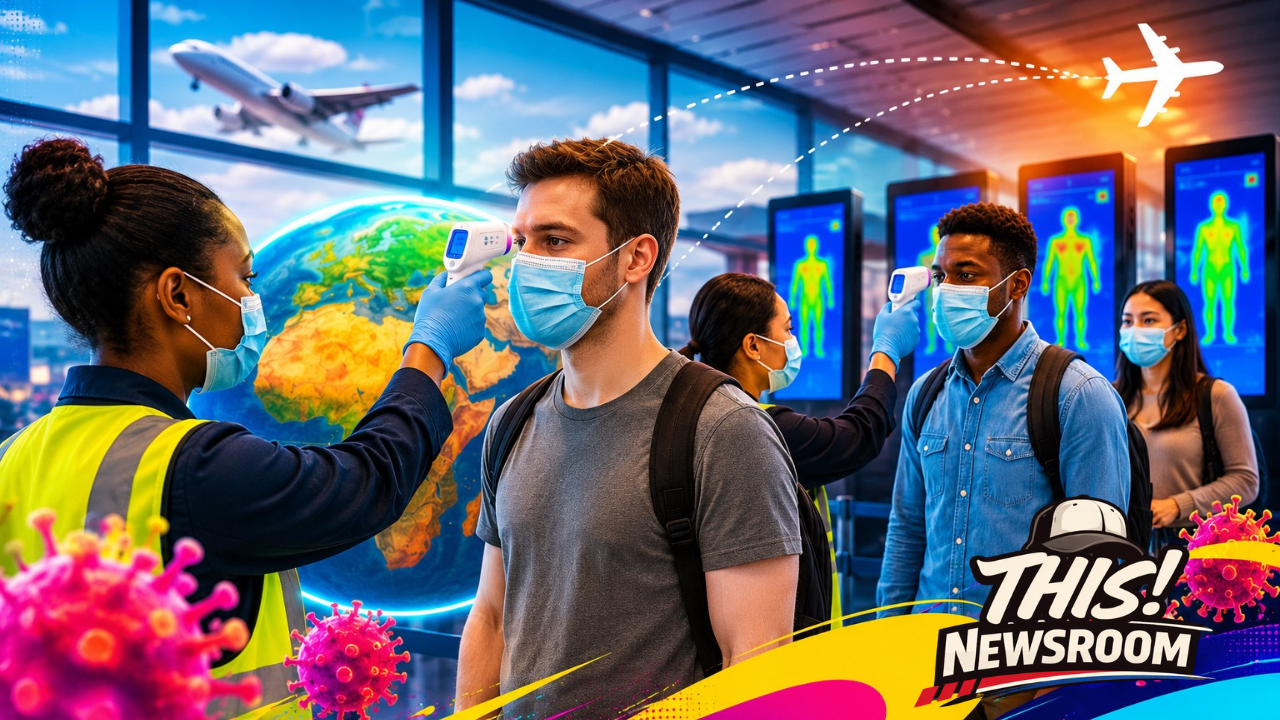
Officials now require passengers arriving from the Democratic Republic of Congo, Uganda, and South Sudan to complete additional health checks after landing in Atlanta. The screenings include temperature checks, symptom monitoring, and health questionnaires before travelers continue their journeys.
Global health agencies continue monitoring the recent Ebola outbreak, which has already caused hundreds of deaths internationally. Health officials say the expanded screening process helps identify possible symptoms early and reduces the risk of wider spread inside the United States.
What Travelers Can Expect
Passengers arriving from affected regions may experience longer wait times after landing because airport and public health teams now conduct additional screenings.
The process includes:
- Temperature scans
- Health screening questionnaires
- Travel history verification
- Monitoring instructions for the following 21 days
Travelers who pass the screening process can generally leave the airport normally. State and local health departments may still monitor some travelers after arrival at their final destination.
Health officials stressed that these screenings serve as precautionary measures within broader international public health protocols.
Why Atlanta?
Hartsfield-Jackson Atlanta International Airport remains one of the busiest airports in the world and serves as a major hub for international travel. Federal and state health officials often use Atlanta as a key checkpoint during global health events because of its massive passenger volume and international connections.
The expanded screening procedures mirror measures officials used during previous Ebola outbreaks and other international health emergencies.
Public Health Officials Urge Calm
Experts continue to stress that Ebola does not spread as easily as airborne illnesses such as COVID-19 or influenza. People typically contract the virus through direct contact with bodily fluids from someone actively showing symptoms.
Officials also stated that the current risk to the general public inside the United States remains low.
Still, the enhanced screenings show how quickly international outbreaks can influence travel operations and public health policies inside the U.S.
For many travelers passing through Atlanta this week, the additional checks may simply create longer processing times. For health officials, the mission remains straightforward: identify potential cases early and prevent wider transmission before conditions worsen.
The Bigger Picture
Global travel has turned airports into frontline locations for disease monitoring and rapid health response efforts.
Whether officials keep these screenings temporary or expand them further will likely depend on how the overseas outbreak develops in the coming weeks.
For now, travelers flying from impacted regions should prepare for additional screening procedures and possible follow-up monitoring after arrival.
About the Author