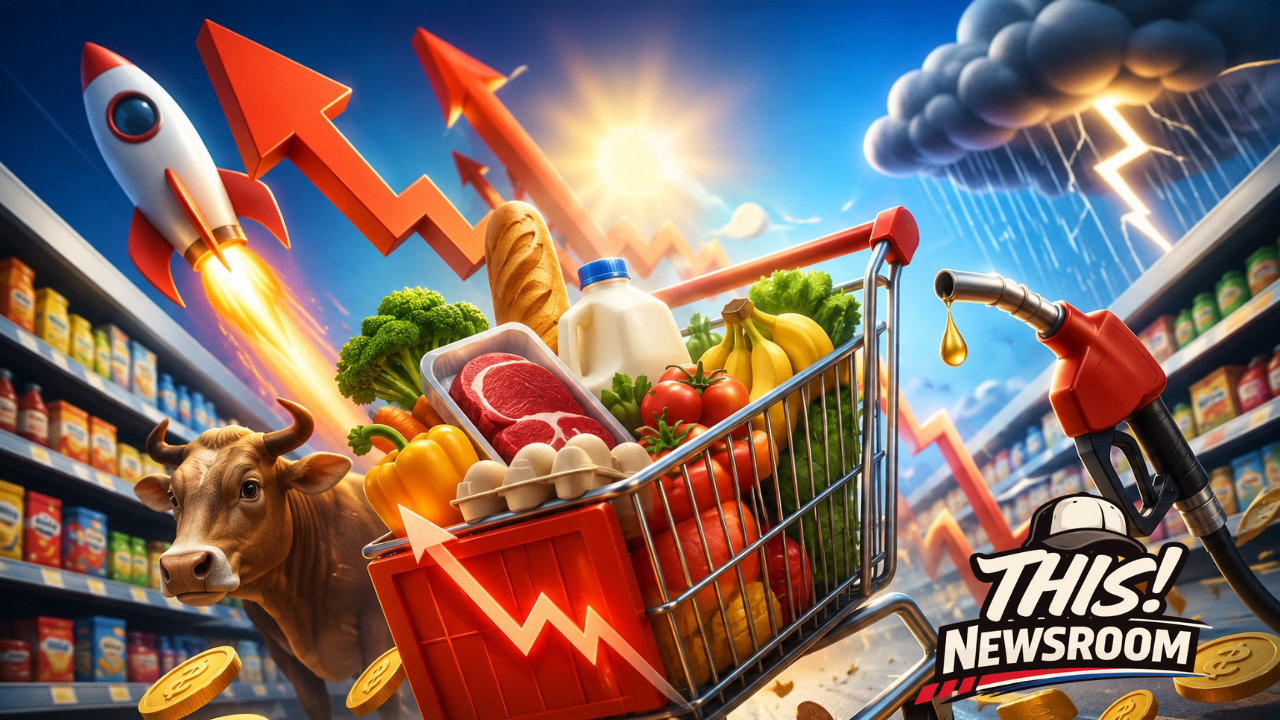
Grocery Inflation Surge Could Hit Americans Hard Through 2027
As Americans continue to feel pain at the gas pump, economists warn that another financial strain is quietly building inside grocery stores across the country. Food prices are climbing faster than expected again, and experts say several major forces are colliding at once to create a long-lasting wave of inflation that could stretch well into 2027.
The rising costs are already affecting household budgets. Now, concerns are growing that the situation may worsen in the coming months as global tensions, extreme weather, and supply shortages continue to pressure the food supply chain.
Grocery Prices Are Rising Faster Than Expected
In April, grocery prices posted their largest monthly increase in nearly four years. Consumers have already noticed higher prices on everyday essentials including beef, eggs, produce, dairy products, and packaged goods.
Economists point to several overlapping issues driving the increases:
- Severe weather disrupting crops
- Tariffs raising import costs
- A shrinking US cattle herd
- Higher transportation and fuel expenses
- Global instability tied to conflict involving Iran
- Concerns over a possible El Niño weather pattern
While inflation had shown signs of cooling in other areas of the economy earlier this year, food costs are proving more stubborn.
Beef Prices Continue to Climb
One of the biggest contributors to higher grocery bills is the cattle industry. The US cattle herd has fallen to one of its lowest levels in decades after years of drought, rising feed costs, and ranchers reducing herd sizes.
That means beef prices are expected to remain elevated for an extended period. Unlike other products that can be produced quickly, rebuilding cattle populations takes years. Consumers are already seeing higher prices for steaks, ground beef, and restaurant meals.
Experts say this pressure could intensify through 2026 and into 2027 if weather conditions worsen.
Weather Could Create More Problems
Meteorologists are also closely watching the potential return of El Niño conditions. El Niño can dramatically impact global weather patterns, causing droughts in some regions and flooding in others.
Poor growing conditions can damage crops, reduce harvest yields, and increase the cost of fruits, vegetables, grains, and livestock feed.
The challenge for consumers is that food production cycles move slowly. Farmers make planting decisions months before harvest season, meaning shortages and pricing pressures can continue long after weather events begin.
That makes food inflation much harder to reverse quickly compared to gasoline prices, which can fluctuate daily based on oil markets.
Global Conflict Adds More Uncertainty
The ongoing conflict involving Iran has also raised concerns about energy markets and shipping costs. Rising fuel prices affect nearly every part of the food supply chain, from farming equipment to transportation and refrigeration.
If oil prices continue to rise, grocery costs could increase even further as companies pass higher operating expenses on to consumers.
Many economists believe Americans may soon experience a second wave of inflation focused heavily on necessities rather than luxury spending.
Political Pressure Ahead of Midterm Elections
The timing of the rising grocery costs could create major political challenges ahead of the November midterm elections. Affordability and household finances are already among the top concerns for voters.
Unlike short-term economic swings, food inflation tends to stay visible because consumers encounter it every week while shopping. Rising grocery bills often shape public perception more than broader economic data.
Political analysts expect food prices, energy costs, and overall affordability to dominate economic conversations heading into election season.
Consumers May Need to Adjust Spending Habits
Financial experts are encouraging families to prepare for continued volatility in grocery prices by budgeting carefully, comparing prices, and looking for alternatives to higher-cost items.
Some shoppers are already changing buying habits by:
- Purchasing store brands
- Buying in bulk
- Reducing meat purchases
- Using discount retailers
- Cutting back on dining out
While no one knows exactly how severe the next inflation wave could become, many economists agree that grocery prices are unlikely to fall significantly anytime soon.
For millions of Americans already balancing tight budgets, the pressure at checkout lines may soon become even more difficult to manage.
About the Author