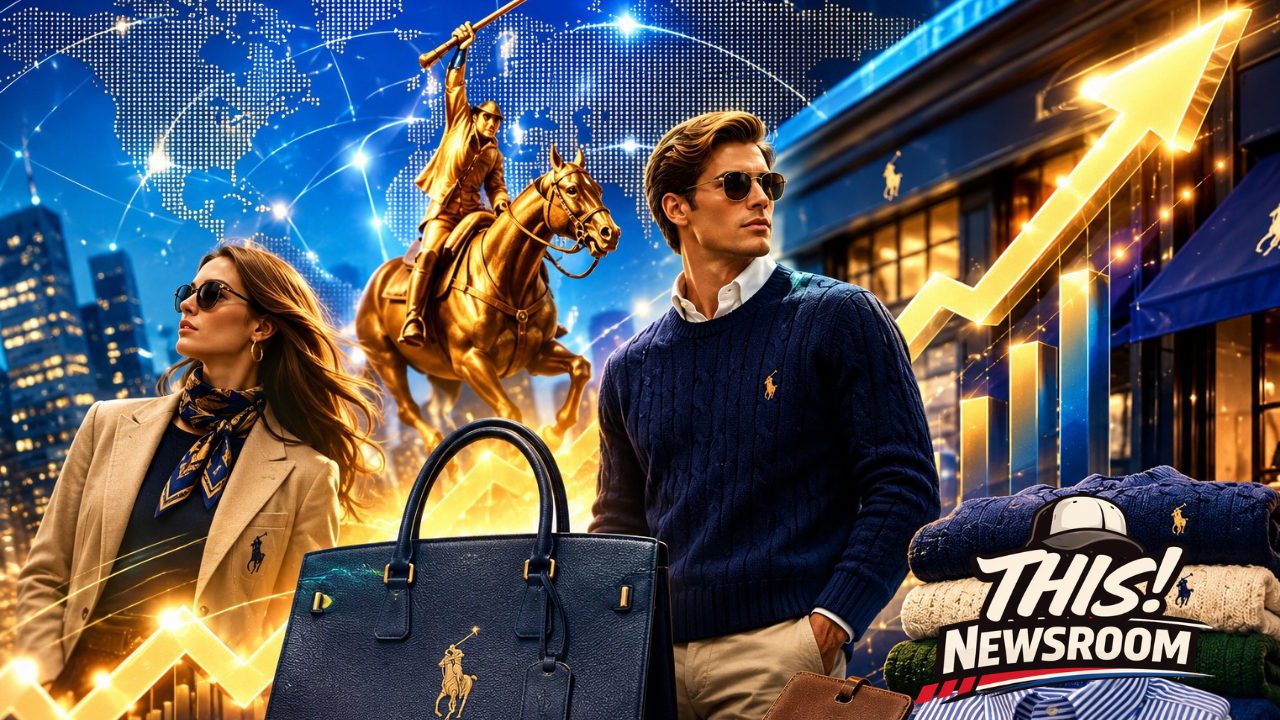
Ralph Lauren surpassed $8 billion in annual revenue for the first time as premium pricing, global expansion, and strong demand fueled record growth.
For decades, Ralph Lauren has sold more than clothing. It has sold a lifestyle.
The polished polo shirts. The Hamptons-inspired luxury. The equestrian logos. The image of timeless American success. Now, that strategy is paying off in a historic way.
For the first time in its nearly 60-year history, Ralph Lauren has surpassed $8 billion in annual revenue, reaching approximately $8.11 billion for fiscal year 2026. The milestone marks a major achievement for one of the world’s most recognizable fashion brands and comes at a time when many luxury companies are struggling to maintain growth.
Even more impressive, revenue climbed 15% year over year while earnings per share jumped from $12.33 to $16.59.
In a luxury market filled with uncertainty, Ralph Lauren appears to have found a formula that still works.
A Luxury Brand Winning While Others Slow Down
The luxury fashion industry has faced significant challenges over the past year.
Consumer spending has softened in many regions. Inflation pressures remain a concern. Several major luxury houses have reported slower sales growth as shoppers become more selective about discretionary purchases.
Yet Ralph Lauren managed to move in the opposite direction.
Instead of chasing volume through heavy discounts, the company focused on strengthening its premium positioning. That meant fewer markdowns, stronger full-price sales, and a greater emphasis on brand experience.
The result?
Average selling prices increased by roughly 15%, helping boost profitability while reinforcing the brand’s upscale image.
That’s the fashion equivalent of raising menu prices while customers happily keep ordering dessert.
The Power of Premium Positioning
One of the biggest reasons behind Ralph Lauren’s success is its commitment to protecting the brand.
For years, luxury companies have battled the temptation to drive sales through discounts. While discounting can create short-term revenue spikes, it often weakens brand perception over time.
Ralph Lauren took a different path.
The company reduced promotional activity and invested heavily in premium retail experiences, digital commerce, and elevated merchandising.
Consumers responded positively.
Instead of waiting for sales, more shoppers were willing to purchase products at full price, boosting both margins and revenue.
This strategy demonstrates a lesson many businesses overlook:
Sometimes making your product feel more valuable creates more demand than making it cheaper.
Asia Emerges as the Growth Engine
One of the standout stories in Ralph Lauren’s record-breaking year was its growth across Asia.
The region delivered remarkable performance, with fourth-quarter sales increasing approximately 31% and digital sales surging 34%.
China played a particularly important role.
During the Lunar New Year shopping period, the brand reportedly experienced growth exceeding 50%, highlighting the strength of demand among affluent consumers in the region.
Luxury brands have increasingly looked to Asia for expansion opportunities, but few have captured momentum at the scale Ralph Lauren achieved this year.
The company’s ability to connect with consumers across international markets has become a critical driver of future growth.
Millions of New Customers Join the Brand
Growth wasn’t limited to existing customers.
Ralph Lauren added approximately 6.5 million new customers during the fiscal year and now reaches more than 70 million followers across its global digital ecosystem.
That kind of audience growth is significant for a heritage brand approaching its sixth decade in business.
Many older brands struggle to remain relevant with younger consumers. Ralph Lauren appears to be doing the opposite.
By blending classic Americana with modern digital marketing, influencer partnerships, social media engagement, and premium retail experiences, the company has successfully introduced the brand to a new generation of shoppers.
The Vision Behind the Success
Much of the recent transformation has occurred under CEO Patrice Louvet.
Over the past several years, Louvet has led efforts to reposition Ralph Lauren as a more elevated global luxury brand.
The strategy focused on:
- Stronger digital experiences
- More premium retail environments
- Increased brand control
- Expansion in high-growth international markets
- Reduced reliance on discounting
- Greater emphasis on storytelling and lifestyle branding
Those efforts appear to be producing meaningful results.
Rather than competing solely on products, Ralph Lauren continues to sell a complete vision of aspirational living.
And judging by the numbers, consumers are buying into that vision.
From Ties to a Global Empire
It’s easy to forget how modest Ralph Lauren’s beginnings were.
The company traces its roots back to 1967 when Ralph Lauren began selling neckties inspired by classic British styles.
From those humble beginnings grew one of the most recognizable fashion empires in the world.
Today the brand spans:
- Apparel
- Footwear
- Home furnishings
- Fragrances
- Accessories
- Hospitality experiences
- Global retail stores
The iconic Polo Pony logo has become one of the most valuable symbols in fashion.
Few brands have maintained relevance across multiple generations the way Ralph Lauren has.
Why This Matters
The $8 billion milestone is more than a financial achievement.
It serves as proof that strong brands still matter.
In an era dominated by fast fashion, social media trends, and rapidly changing consumer tastes, Ralph Lauren’s success shows that heritage, authenticity, and premium positioning continue to hold enormous value.
The company didn’t win by becoming cheaper.
It won by becoming more desirable.
For investors, marketers, and business leaders, that may be the most important lesson of all.
While many companies race to compete on price, Ralph Lauren spent years building a brand people aspire to own.
This year, that strategy delivered a record-breaking payoff.
And somewhere, a navy-blue polo shirt with a tiny embroidered horse is smiling quietly about it.
About the Author