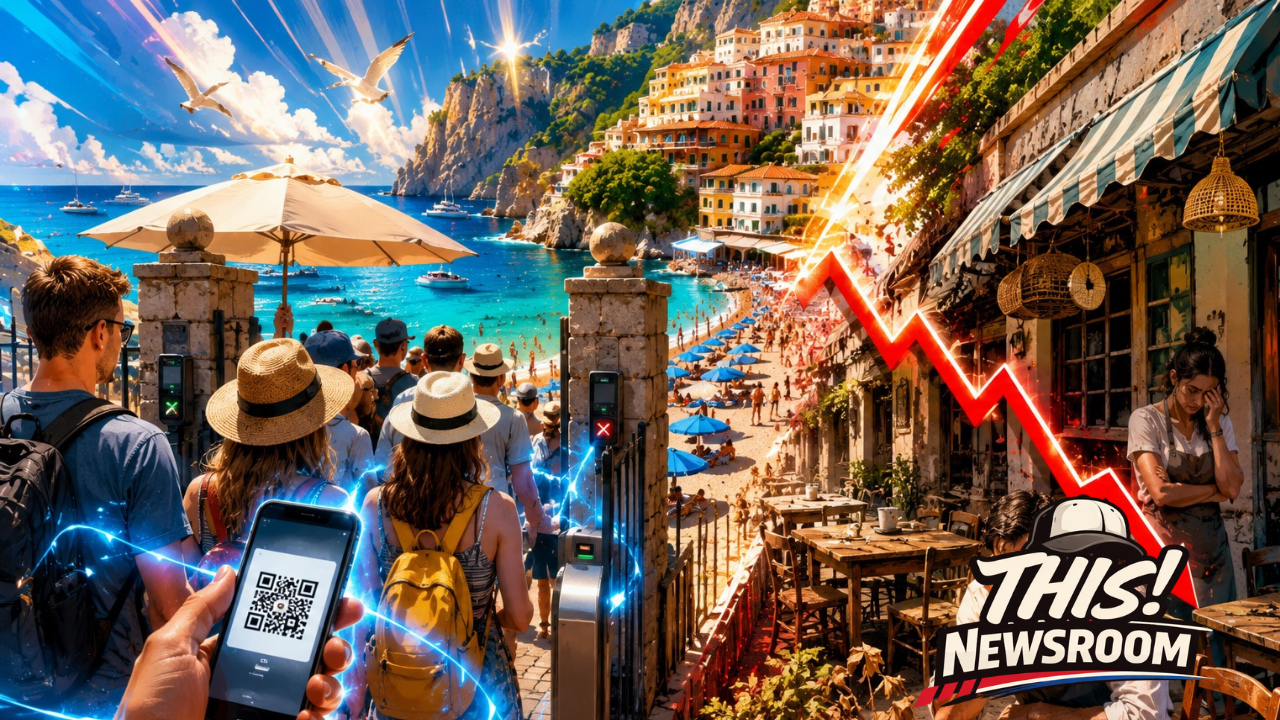
Italy's Reservation-Only Beaches Spark Tourism Debate
For decades, some of Italy’s most breathtaking beaches represented freedom. Travelers could wake up, grab a towel, and spend the day soaking in crystal-clear Mediterranean waters without much more planning than checking the weather.
Today, that’s changing.
Several of Italy’s most famous beaches have introduced reservation systems requiring visitors to secure access days—or even weeks—in advance. QR codes, online booking portals, visitor caps, and admission fees are becoming the new normal as local governments attempt to combat overtourism and preserve fragile coastlines.
While many environmental experts applaud the move, the growing trend has sparked a larger global debate: Are destinations becoming so restrictive that they’re pushing away the very visitors who keep local economies alive?
Italy Isn’t Alone
Italy has become one of the highest-profile examples, but similar restrictions are appearing around the world.
Popular destinations in Spain, Greece, Japan, Hawaii, and even parts of the United States have begun limiting tourist access, increasing visitor taxes, restricting cruise ships, or imposing reservation systems for natural attractions.
Many local communities argue that years of record-breaking tourism have strained infrastructure, driven up housing costs, overcrowded public spaces, and changed the character of historic towns.
Their concerns are understandable.
But critics say the pendulum may now be swinging too far in the opposite direction.
When Tourism Becomes Too Difficult
For travelers, spontaneity is becoming increasingly rare.
Imagine flying thousands of miles to Italy only to discover that the beach you’ve dreamed about visiting requires reservations that sold out three weeks earlier.
Instead of creating memorable experiences, these policies can leave visitors frustrated and encourage them to vacation elsewhere.
Travel experts warn that excessive restrictions may unintentionally discourage tourism altogether, especially among international visitors planning multi-city vacations where flexibility is part of the appeal.
Small Businesses Feel the Impact
The irony is that many of the people most affected aren’t wealthy investors or multinational hotel chains.
They’re family-owned restaurants.
Beachside cafés.
Gelato shops.
Local boutiques.
Taxi drivers.
Independent hotels.
Souvenir stores.
Tour operators.
If visitor numbers fall significantly because destinations become harder to access, these businesses often feel the financial pain first.
A beach that welcomes fewer visitors also means fewer lunches sold, fewer boat rentals booked, and fewer souvenirs purchased.
Finding the Right Balance
There’s little debate that many iconic destinations needed better management.
No one wants historic cities overwhelmed by crowds or natural environments permanently damaged.
The question isn’t whether tourism should be managed.
It’s how.
Many experts argue that smarter solutions exist beyond simply limiting visitors:
- Better infrastructure investments.
- Improved public transportation.
- Timed entry during peak hours rather than full-day caps.
- Seasonal pricing.
- Encouraging travel during shoulder seasons.
- Better distribution of tourists across nearby attractions.
These approaches can reduce congestion while still supporting local economies.
The Rise of the “Locals First” Movement
Around the world, a growing number of communities are embracing “locals first” policies.
The intention is admirable—protect neighborhoods, preserve culture, and improve quality of life.
However, tourism has long been one of the world’s largest economic engines.
When visitors begin feeling unwelcome, destinations risk damaging their global reputation.
Travelers have choices.
If one destination becomes too complicated or restrictive, many will simply choose another country, another city, or another beach.
A Delicate Balance
Italy’s reservation-only beaches may represent the future of global tourism—or they may become a cautionary tale.
Protecting natural beauty is essential.
Preserving local communities matters.
But so does maintaining the vibrant tourism economies that support millions of jobs worldwide.
Finding the balance between sustainability and accessibility may ultimately determine which destinations continue to thrive—and which unintentionally push visitors away.
The challenge isn’t choosing between locals and tourists.
It’s remembering that, when managed responsibly, both can coexist—and both benefit from destinations that remain welcoming, vibrant, and sustainable for generations to come.
About the Author