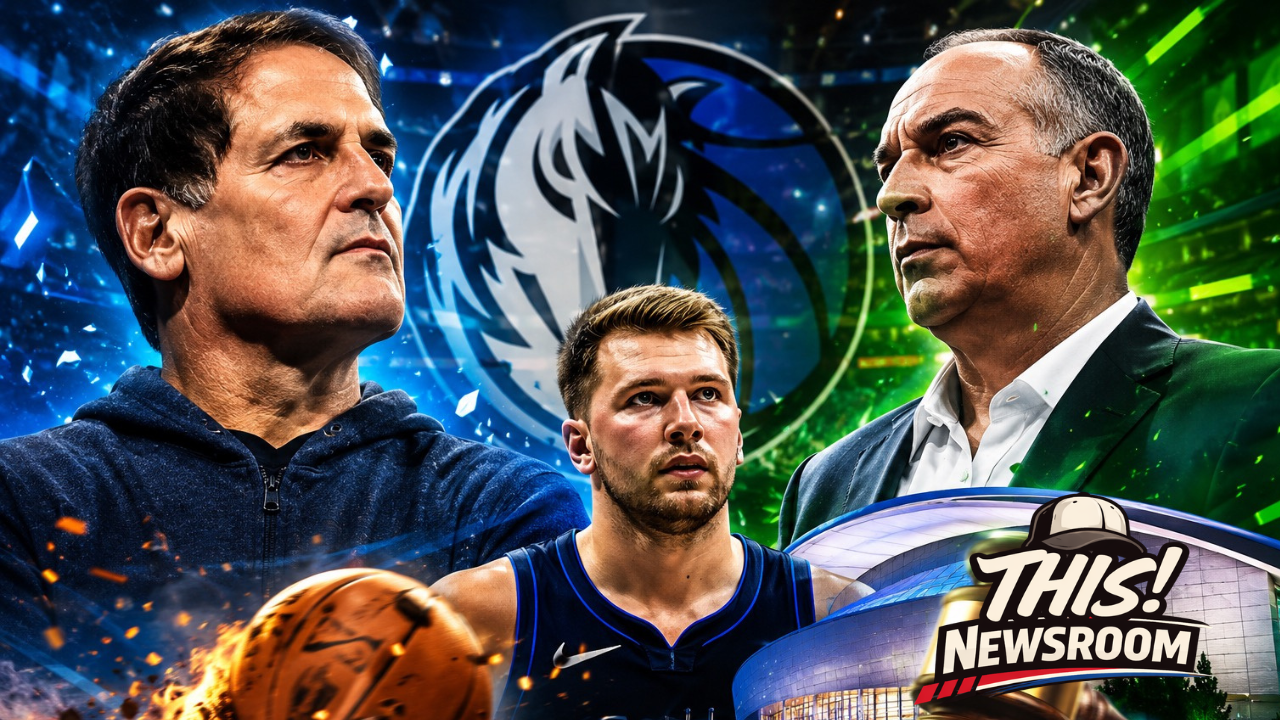
Mark Cuban lawsuit Mavericks
For more than two decades, Mark Cuban was the Dallas Mavericks. He transformed the franchise from one of the NBA’s biggest afterthoughts into an NBA champion, a global brand, and one of the league’s most recognizable organizations.
Now, he’s taking the team’s new ownership to court.
The legal dispute is already turning heads across the NBA because it isn’t simply about ownership percentages or boardroom politics. According to court filings, Cuban alleges he was pushed aside after selling the majority of the Mavericks in late 2023—and that one of the biggest moments in franchise history happened without his knowledge.
If true, it could permanently reshape how fans view the transition from the Cuban era.
What Is The Lawsuit About?
According to legal filings in Dallas County, Cuban claims his agreement to sell the Mavericks included an understanding that he would continue overseeing basketball operations.
Instead, he alleges new majority owner Patrick Dumont transferred that authority to General Manager Nico Harrison, effectively removing Cuban from the basketball decisions he believed he would continue making.
Cuban argues this violated the spirit—and potentially the terms—of the agreement that convinced him to sell control of the team.
The Luka Dončić Bombshell
Perhaps the biggest revelation in the lawsuit centers around Luka Dončić.
Cuban reportedly claims he did not learn about the blockbuster trade involving the Mavericks superstar until it was too late to intervene.
If accurate, that’s a stunning claim.
For years, Cuban had been viewed as the franchise’s most influential voice. Learning about one of the biggest transactions in team history after decisions had already been made suggests just how dramatically his influence had changed.
Whether fans supported or opposed the trade, many assumed Cuban remained involved behind the scenes.
The lawsuit paints a very different picture.
More Than Basketball
The dispute extends beyond roster decisions.
According to the filing, Cuban is asking a Dallas County judge to compel Dumont to provide information regarding plans for the Mavericks’ proposed new arena and other business matters.
He also alleges the ownership group engaged in what he describes as adversarial business practices after the sale.
The defendants will have an opportunity to respond in court, and the litigation remains in its early stages.
Doesn’t Cuban Still Own Part Of The Team?
Yes.
Although Cuban sold majority control of the Mavericks in 2023 to the Adelson and Dumont ownership group, he reportedly still owns roughly 27% of the franchise.
That makes the situation unusual.
It’s rare to see a minority owner publicly battling the majority ownership—especially someone who spent 23 years as the face of the organization.
Why Fans Are Paying Attention
This isn’t just another ownership disagreement.
Mark Cuban’s fingerprints are everywhere in Mavericks history.
During his tenure:
- The Mavericks won their first NBA Championship in 2011.
- Dallas became one of the league’s premier franchises.
- Cuban earned a reputation as one of sports’ most hands-on owners.
- The organization became synonymous with innovation and aggressive roster building.
That’s why allegations that he was effectively sidelined resonate so strongly with Mavericks fans.
What Happens Next?
The lawsuit now moves into the legal process, where both sides will present their arguments.
Key questions include:
- Did the sale agreement actually promise Cuban continued basketball authority?
- Was that authority legally transferred elsewhere?
- What rights does Cuban retain as a significant minority owner?
- Could this impact future arena negotiations or organizational decisions?
For now, nothing has been decided in court.
The Bottom Line
The Dallas Mavericks have gone from NBA Finals headlines to courtroom headlines.
Whether Mark Cuban ultimately wins or loses, the lawsuit exposes what appears to be a fractured relationship between the franchise’s legendary former majority owner and its new leadership.
And for a city that watched Cuban build the Mavericks into a championship organization, this legal battle could become almost as captivating as anything happening on the hardwood.
One thing is certain: this story is far from over.
About the Author