A Legionnaires' disease outbreak on Manhattan's Upper East Side has infected dozens. Learn symptoms, affected areas, investigation updates, and more.
NEW YORK — Health officials are racing to identify the source of a growing Legionnaires’ disease outbreak on Manhattan’s Upper East Side after the number of confirmed infections climbed to 28 cases, making it one of New York City’s most significant public health investigations of the summer.
The outbreak has sparked concern among residents, commuters, tourists, and businesses across one of Manhattan’s busiest neighborhoods, as investigators inspect cooling towers and other potential sources of the dangerous bacteria.
Cases Continue to Rise
The outbreak was first identified in early July after only two confirmed cases were reported. Since then, the number has steadily increased as additional testing has confirmed more infections.
Officials say the affected area includes neighborhoods such as:
- Carnegie Hill
- Yorkville
- Lenox Hill
The investigation currently centers around ZIP codes:
- 10028
- 10128
- 10075
The city has also warned people who recently spent time along the east side of Central Park between East 76th Street and East 97th Street to remain alert for symptoms.
What Is Legionnaires’ Disease?
Legionnaires’ disease is a serious form of pneumonia caused by Legionella bacteria.
Unlike viruses that spread directly from person to person, Legionnaires’ disease is typically contracted by inhaling tiny water droplets contaminated with the bacteria.
Common sources include:
- Cooling towers on commercial buildings
- Decorative fountains
- Hot tubs
- Large plumbing systems
- Industrial water systems
Health officials emphasize that the disease is not contagious between people.
Investigators Searching for the Source
New York City’s Department of Health has launched an aggressive investigation involving inspections and testing of cooling towers throughout the affected area.
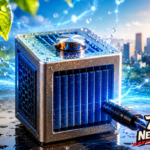
Cooling towers sit atop many large office buildings, apartment complexes, hotels, hospitals, and commercial properties. If not properly disinfected, they can allow Legionella bacteria to grow and spread through airborne mist.
Officials have not yet identified the exact building or cooling tower responsible for the outbreak.
Any tower that tests positive for elevated levels of Legionella will be required to undergo immediate cleaning and disinfection.
Symptoms Everyone Should Know
Symptoms generally develop 2 to 14 days after exposure.
They include:
- High fever
- Chills
- Persistent cough
- Shortness of breath
- Muscle aches
- Headache
- Fatigue
- Chest pain
- Confusion (in severe cases)
Because the illness resembles pneumonia, many patients initially believe they have the flu or another respiratory infection.
Prompt treatment with antibiotics dramatically improves recovery.
Who Is Most At Risk?
While anyone can develop Legionnaires’ disease, severe illness is much more common among:
- Adults over age 50
- Smokers
- Former smokers
- Individuals with chronic lung disease
- People with weakened immune systems
- Cancer patients
- Organ transplant recipients
- Individuals with diabetes or kidney disease
Healthy younger adults generally face a lower risk of severe complications.
Is It Safe to Drink Water?
One of the biggest misconceptions surrounding Legionnaires’ outbreaks is that drinking water is dangerous.
Health officials stress that:
- Tap water remains safe.
- Showering is considered safe.
- Air conditioning inside homes is safe.
- The illness is not spread by drinking contaminated water.
Instead, infection occurs after inhaling contaminated microscopic water droplets that become airborne.
Hospitalizations Raise Concern
Many patients have required hospitalization, underscoring how serious the disease can become when it progresses into severe pneumonia.
Although no deaths have been reported in the current outbreak, Legionnaires’ disease can be life-threatening if left untreated, particularly among older adults and those with underlying health conditions.
Why Cooling Towers Matter
Legionella bacteria naturally exist in freshwater environments but become dangerous when they multiply inside man-made water systems.
Cooling towers create warm, moist conditions that allow bacteria to thrive if maintenance procedures fail.
Modern regulations require:
- Routine inspections
- Water treatment
- Regular Legionella testing
- Immediate remediation if bacteria are detected
Following previous outbreaks, New York City strengthened oversight of cooling tower maintenance and inspection requirements.
Lessons From Previous NYC Outbreaks
New York has experienced Legionnaires’ outbreaks before.
One of the most serious occurred in Harlem in 2025, resulting in more than 100 confirmed cases and several deaths before contaminated cooling towers were identified and disinfected.
Those events led to expanded inspection programs and more aggressive testing protocols that are now being used during the current Upper East Side investigation.
What Residents Should Do
Health officials recommend that anyone who:
- lives,
- works, or
- recently visited
the affected Upper East Side neighborhoods and develops flu-like symptoms should seek medical attention immediately.
Doctors can diagnose Legionnaires’ disease through laboratory testing, and early treatment with antibiotics is highly effective.
The Bottom Line
While the outbreak continues to grow, health officials stress there is no need for panic. The investigation is focused on identifying the contaminated water source, and remediation efforts will begin immediately once it is located.
For now, awareness remains the most important tool. Residents and visitors who have spent time on Manhattan’s Upper East Side in recent weeks should monitor for symptoms, particularly if they are older or have underlying health conditions.
As investigators continue testing cooling towers across the neighborhood, officials hope identifying the source quickly will prevent additional infections and bring the outbreak under control.
About the Author